
Last updated November 25, 2026
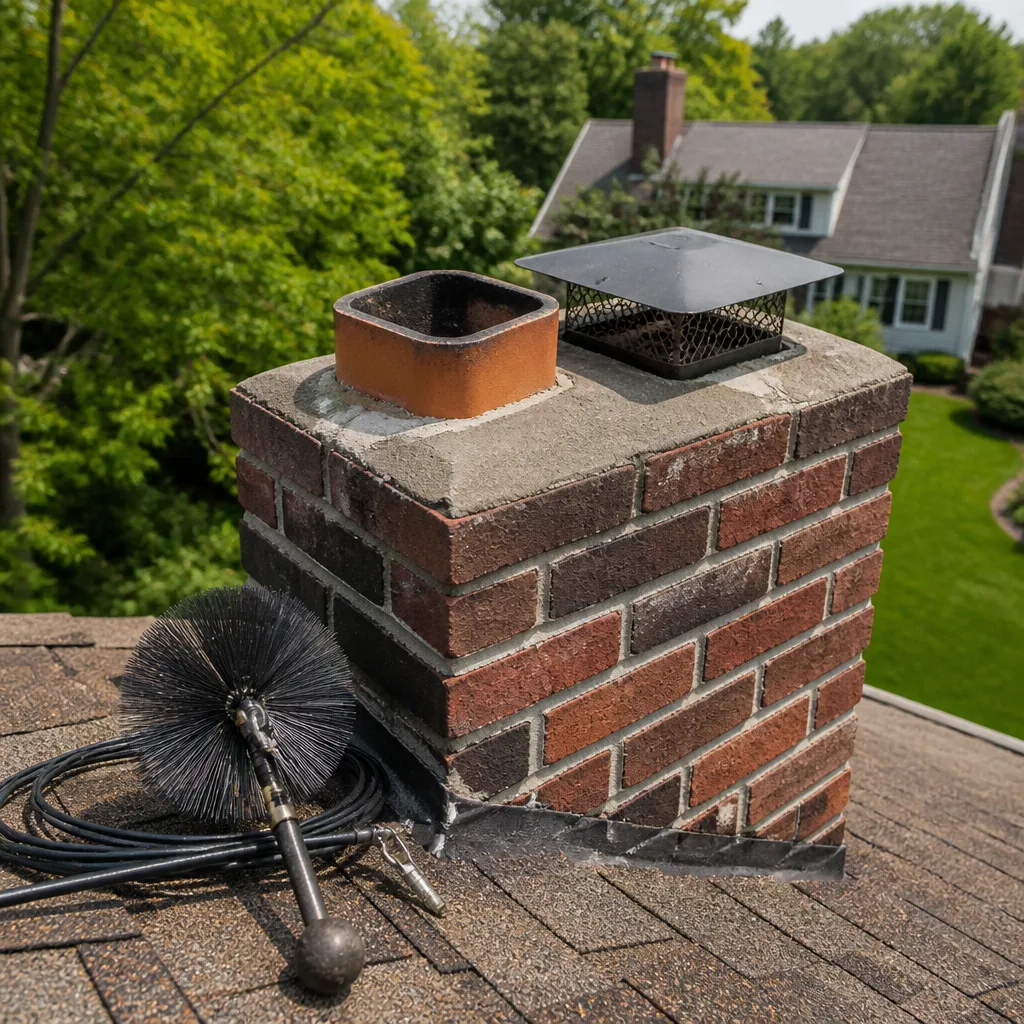 Sweep & inspection
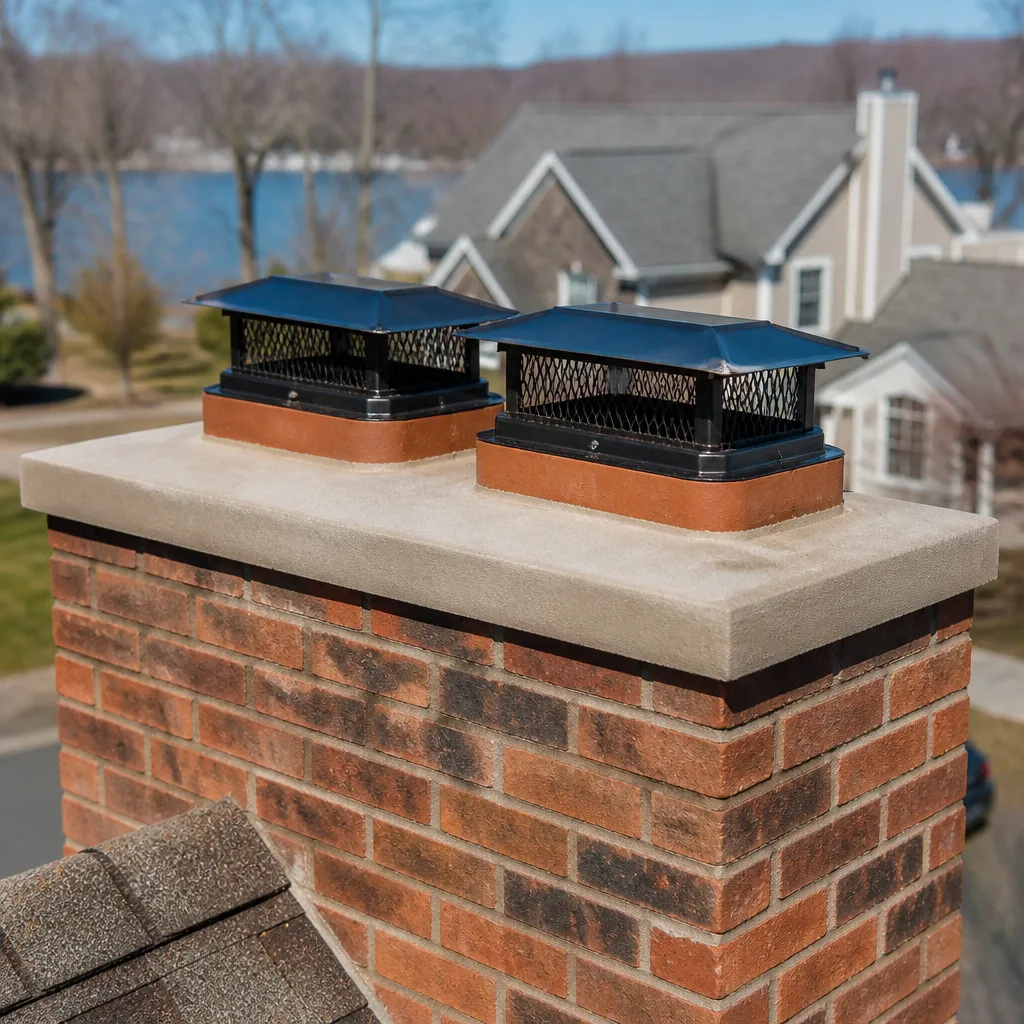 Caps & crowns
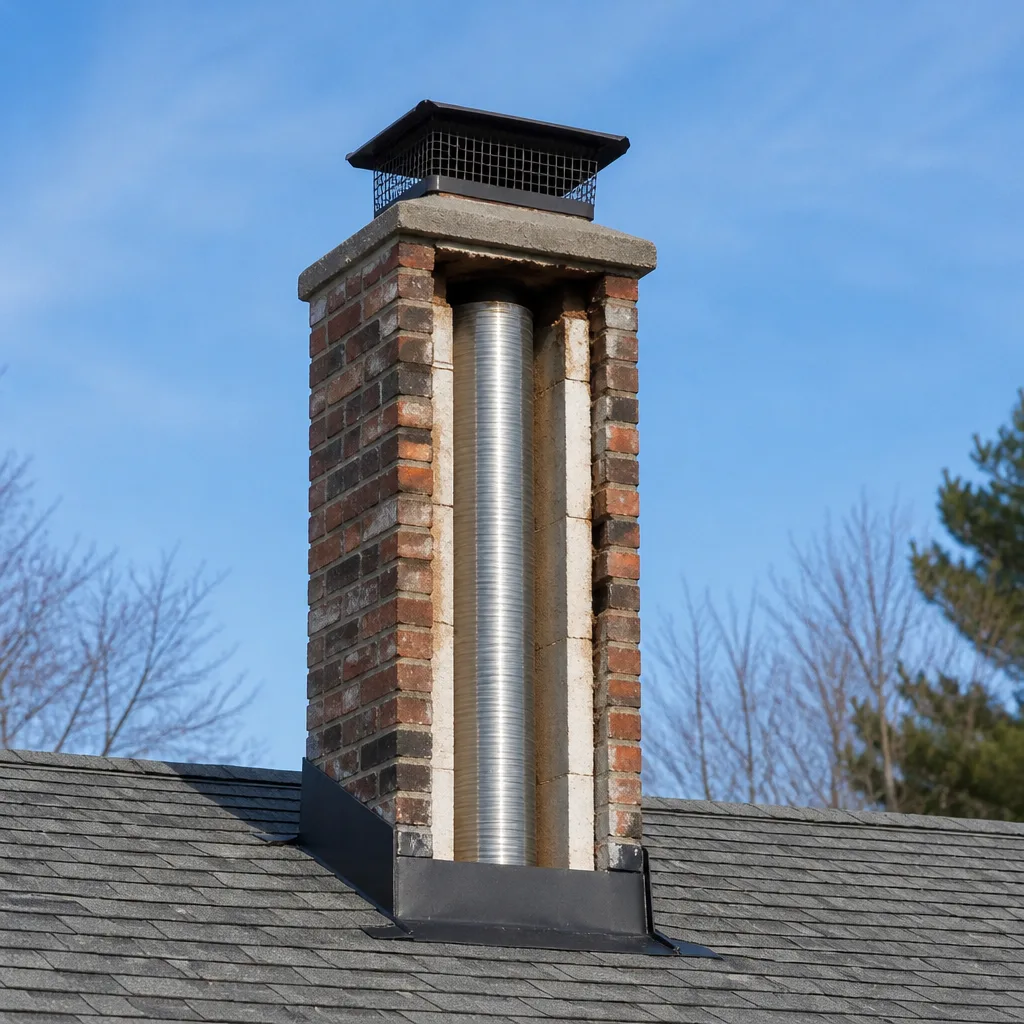 Flue relining
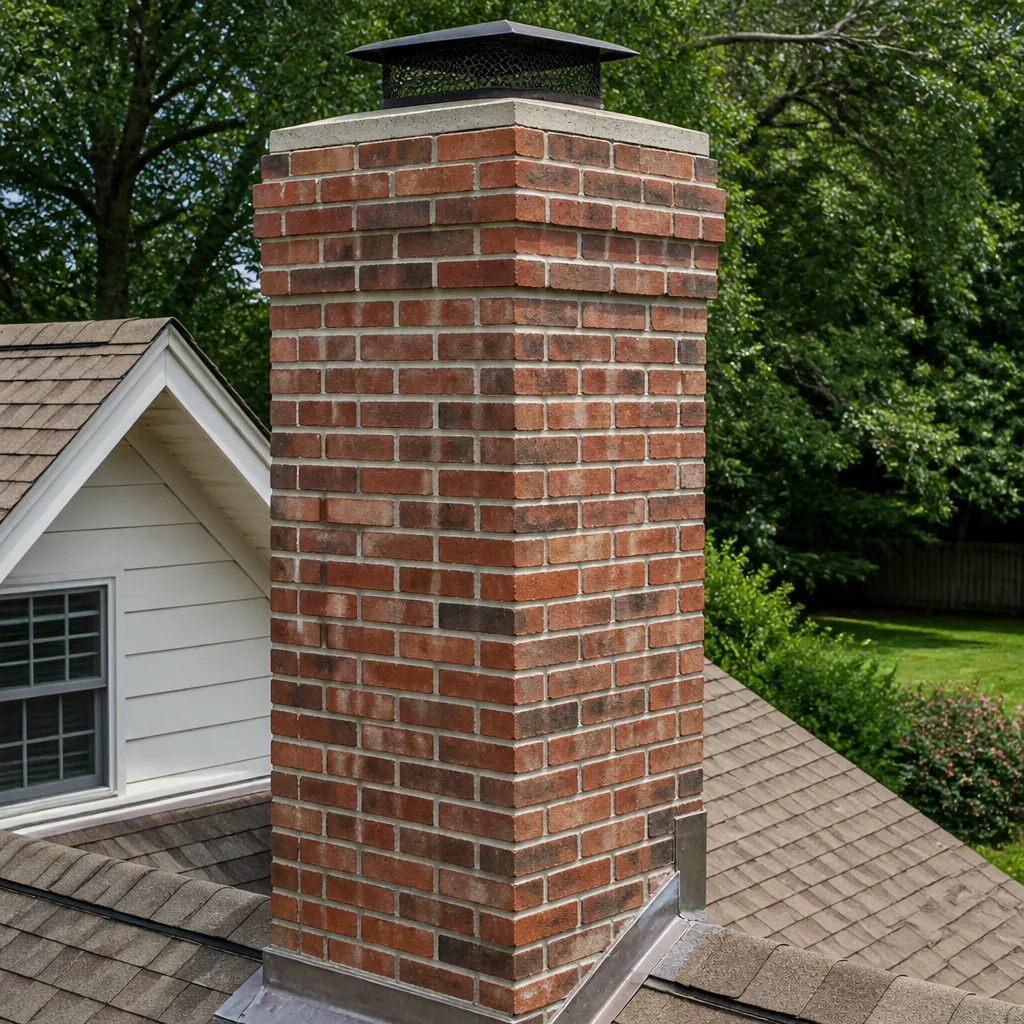 Masonry repair
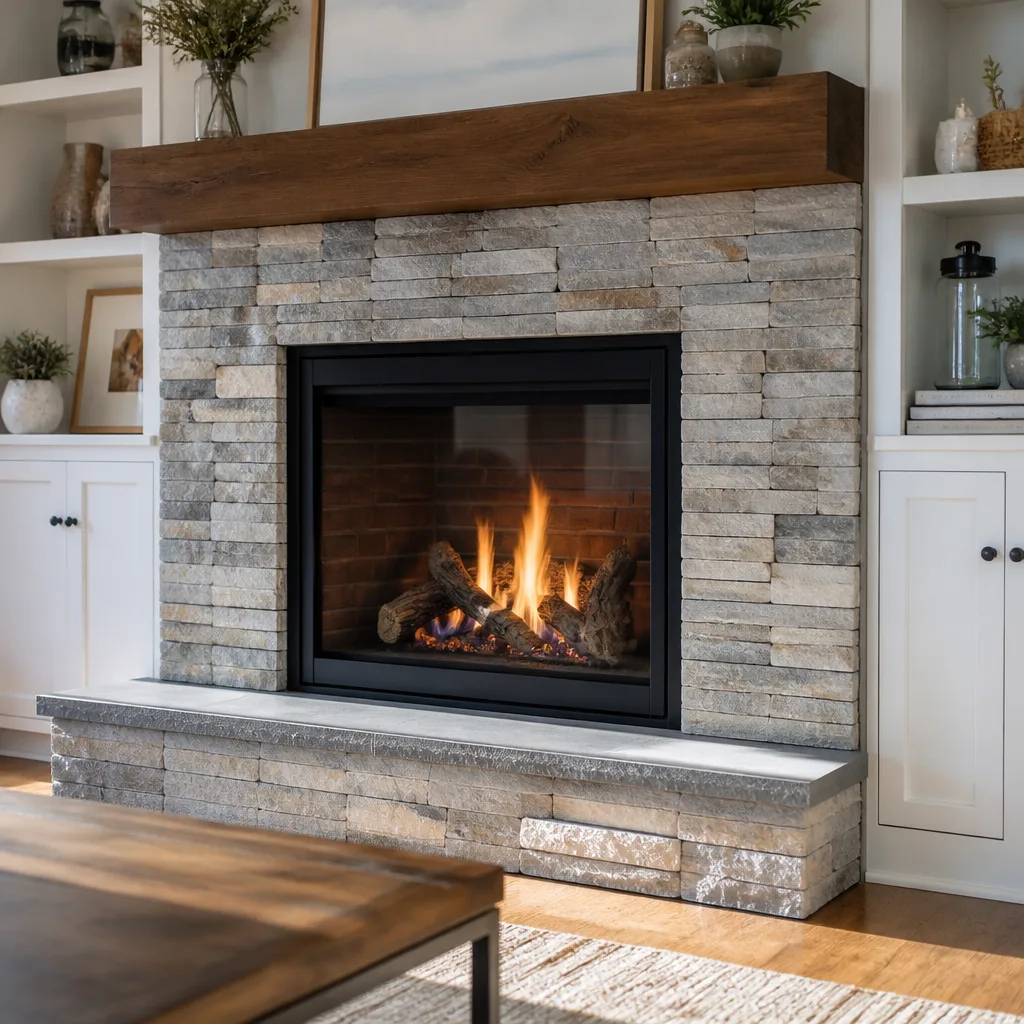 Gas fireplace service
Level 1 sweep and inspection to the NFPA 211 annual standard - flue, crown, cap, and flashing checked and photographed
Chimney sweep logs do not sweep chimneys. They loosen some creosote - which then falls where a brush and vacuum still have to collect it.
Choosing the Right Chimney Cleaning Brand: A Buyer’s Guide for Dana Point
Two liner quotes can look identical on paper and use materials with a ten-year lifespan difference. That sounds dramatic until you understand why: the homeowner never sees the liner again after it goes in. One contractor specifies trade-grade stainless from a professional supply chain, and the other picks up whatever the local supply house had on the shelf that week. The invoice reads the same. The firebox looks the same afterward. The difference shows up eight or twelve years later when one system is still sound and the other is already pitting through. This guide is about how to tell those two quotes apart before you sign, and what to ask a Dana Point contractor about the brands behind the work.
Quick Answer
The right chimney brand is the one your contractor can name specifically, explain the alloy and wall thickness of, and show you a UL listing for. In Dana Point, that usually means a professional-trade liner system such as DuraFlex or Olympia Chimney, a resurfacing product such as HeatShield, and caps and dampers from a trade supplier like Copperfield or Famco. If a contractor can only say “we use the best materials,” you don’t yet have enough information to compare.
Styles & brands we work with
- Sweep & inspection
- Caps & crowns
- Flue relining
- Masonry repair
- Gas fireplace service
Table of Contents
- Why Chimney Brands Stay Invisible to Homeowners
- Professional-Trade Liners vs. Builder-Grade: What Actually Differs
- Why Alloy Selection Matters in Dana Point’s Climate
- How to Ask a Contractor What Brands They Stock
- The Four Product Categories Where Brand Choice Matters Most
- What “We Use the Best Materials” Actually Means
- Brand Choice in Dana Point’s Older Housing Stock
- A Numbered Checklist for Comparing Two Quotes
Why Chimney Brands Stay Invisible to Homeowners
Think about the last time you hired anyone for a repair and knew the brand of the material they installed. Roofing, maybe. Water heaters, sometimes, because the label stays visible. A chimney liner disappears the moment the job is finished. It sits inside a flue behind a cap, and the only time you’ll see it again is on a camera screen during the next inspection. That invisibility is why brand conversation is thin in this trade, and why it matters more than it should.
A chimney sweep in Dana Point who works with a curated roster of professional-trade brands has made a sourcing decision, not a marketing one. Trade suppliers like Olympia Chimney and Copperfield sell to the credentialed professionals who will actually specify a system correctly. Big-box retail sells a component for a homeowner who doesn’t know what size or alloy to choose. Both channels exist because both markets exist. You’re paying for one of them either way, and the installed result is not the same.
There’s a second reason brand talk gets skipped. Naming a product invites a question the contractor may not want to answer, like whether the alloy is 304 or 316 stainless, or whether the cap has a listed spark arrestor rating. A confident specialist will welcome that question. A generalist handyman with a brush will change the subject. From inspection to repair, the brand behind the work tells you which kind of provider you’re talking to before they ever arrive.
Professional-Trade Liners vs. Builder-Grade: What Actually Differs
A professional-trade liner system and a builder-grade equivalent are both stainless tube. The difference is in three things you can ask about directly: alloy grade, wall thickness, and UL listing.
- Alloy grade. Trade-grade flexible liners use 304 or 316 stainless. 316 is the higher-alloy product and resists chloride attack and higher flue temperatures better. Builder-grade components sometimes use a lighter alloy formulated for cost, not for a wood-burning flue.
- Wall thickness. Flexible liners are measured in thousandths of an inch. The heavier options cost more per foot and last longer. The lighter option installs faster and bends easier, which is why it exists.
- UL listing. A listed liner system has been tested as a system: liner, insulation wrap, connector, termination. Anything short of a full listing is a component, not a system, and it will not carry the same rating on your inspection report.
A DuraFlex flexible liner system is designed specifically for relining older or irregular flues. That matters in Dana Point, where a lot of the housing was built long before modern liner standards, and a flue often has an offset, an out-of-round section, or a masonry interior that won’t accept a rigid pipe. Bending a flexible liner around those conditions takes a product built for it and a technician trained on it. A builder-grade tube from the shelf usually fails the second condition.
Feel the weight difference if you ever get the chance. Trade-grade flexible stainless has a density that reads instantly in your hand. The lighter product feels like a foil tube that got ambitious.
Why Alloy Selection Matters in Dana Point’s Climate
Dana Point winters are mild, which removes one stress factor and leaves a different one. A cold-climate chimney runs hard and cools fast. A Dana Point chimney often runs occasionally, sits idle for months, and cycles between a hot fire and a damp, cool flue in a way that punishes the metal inside it. Alloy choice responds to that pattern.
Stainless is not stainless because it never reacts. It’s stainless because it forms a passive chromium oxide layer that regenerates. Any chloride present in the flue environment attacks that layer, and repeated idle periods slow the regeneration. That’s why 316 alloy is worth naming when you’re reviewing a quote: it holds its oxide layer under chloride exposure better than 304, which is why trade suppliers sell it for exactly this application.
Also ask about insulation wrap on the liner. An insulated system keeps the flue gases above the temperature where creosote condenses, which reduces the deposit rate inside the liner. That’s a brand-and-specification choice, not a cleaning choice, and it’s one most sweeps won’t tell you about unless you ask. Trade-grade liner brands are sold alongside matched insulation kits for precisely this reason.
One local note on Dana Point fireplaces: the elevation is low and the air is usually stable, so an undersized or improperly terminated flue will draft poorly in ways a homeowner reads as “this fireplace doesn’t draw.” A correctly sized trade liner from a brand that publishes sizing tables fixes that. A builder-grade tube sized by guesswork creates it.
How to Ask a Contractor What Brands They Stock
The question is simple. The answer reveals almost everything. Ask plainly: “What liner brands do you install, and can you tell me the alloy and wall thickness of the one you’re proposing for my chimney?” A specialist answers in ten seconds. A generalist pauses.
- Name the product, not just the service. “We install DuraFlex flexible liners and Olympia Chimney components” is a sourcing answer. “We use only high-quality materials” is not.
- Ask why that brand for this flue. A trained technician will connect the product to your flue’s shape, size, and condition. That’s the difference between a brand they stock and a brand they recommend.
- Ask for the UL listing reference. A listed system has documentation. Ask to see it. Trade-tier suppliers provide it as a matter of course.
- Ask who installs it. The same company or a subcontractor? A full-cycle provider handles inspection, cleaning, cap and crown work, and fireplace repair in-house. If a contractor hands off the liner install to someone else, the brand conversation resets with that second provider. Our chimney repair service is built to avoid that handoff.
- Ask how they’d handle a flue that fails a sizing check. A specialist has a plan. A generalist recommends a new liner.
A contractor’s brand list is a public statement about their supply chain. If the list sounds like a home improvement store aisle, the sourcing is retail. If it names the trade suppliers used by credentialed chimney professionals across the country, you’re looking at a professional. Our chimney sweep service is the starting point for that conversation, because the sweep is when the flue gets read properly.
The Four Product Categories Where Brand Choice Matters Most
Some chimney components are commodity parts. Four are not. In each of these, brand, alloy, and sourcing decide whether the fix lasts eight years or twenty-five.
- Liner systems. The highest-impact category, because the liner is buried and irreversible without another full installation. Trade-grade stainless flexible liner is the baseline.
- Caps. The second most important, because a failed cap is the most common entry point for water and the most common cause of structural deterioration in a chimney. A trade cap is heavier stainless with a fixed or hinged design built to be serviced. A builder-grade cap is thin metal screwed on top of the flue. Copperfield and Famco both build caps that outlast the hardware-store version, and both are sized to the flue instead of to a shelf.
- Dampers. A top-sealing damper closes the flue at the top when the fireplace isn’t in use, which stops heat loss up the chimney in winter and cold air down it in summer. The brand matters because the gasket and cable mechanism either lasts or freezes shut.
- Crown and resurfacing sealants. HeatShield is the category leader for chimney resurfacing, and the product requires product-specific training to apply correctly. A resurfaced crown with a proper trade product outlasts a masonry patch by a wide margin.
Chimney cap and crown work is where most generic cleaning services quietly fail. A sweep who doesn’t install caps will clean your flue and leave the actual water problem alone. Our chimney cap and crown work is done in-house for that reason. For crown issues that sit closer to the firebox or need re-mortaring at the smoke chamber, the chimney repair scope covers it.
What “We Use the Best Materials” Actually Means
When a contractor says “we use the best materials,” they’re telling you the materials they install work, not that you can compare them. The best materials claim has no content until you test it.
Here are the follow-up questions that turn that sentence into information:
- “What’s the alloy grade of the liner you’re proposing?”
- “What wall thickness, in thousandths of an inch?”
- “Which UL standard is the system listed to?”
- “Do you install the cap and the crown yourself, or subcontract that work?”
- “Do you work with HeatShield for resurfacing, or patch the crown with mortar?”
- “Can you show me the brand list you stock from?”
- “Can you send a copy of the inspection report with the material recommendations in writing?”
A specialist answers these without looking them up. A generalist answers two and deflects the rest. The questions are easy to remember because they’re all the same question: what exactly goes into my chimney, and why that product over the alternative? Built to outlast the quick fix is a claim, not a guarantee, and the only way to confirm it is to make the contractor name the product.
For HeatShield specifically, the product signals certified capability because resurfacing with it requires training. A contractor who lists HeatShield in their range has made an investment a sweep with a brush has not. Ask how they’d decide between resurfacing and relining for your chimney. The answer will tell you whether they understand the difference.
Brand Choice in Dana Point’s Older Housing Stock
Dana Point has a lot of housing built in decades where flues were sized by rule of thumb and lined with masonry or a clay tile that has since cracked. A chimney in that condition is where brand choice matters most.
Trade-grade flexible liner systems such as DuraFlex exist because older flues were rarely built to a uniform dimension. A round, properly sized flue is the exception in older Dana Point homes, not the rule. Offsets, out-of-round interiors, and irregular transitions from the firebox to the smoke chamber are all common, and all push toward a flexible trade liner and away from a rigid builder-grade tube.
The cap and crown question is the same story from the top. A crown that cracks lets water into the chimney structure, where it freezes (rare in Dana Point) or just soaks and weakens the masonry (common everywhere). A cap that fits badly does the same. A homeowner who was told by an insurance adjuster that the crown needs resurfacing is usually talking to a provider who will either do the work in-house with a trade product, or refer it out to a mason, and the referral is where the timeline slips.
A full-cycle provider in Dana Point sees the whole chimney: flue, cap, crown, firebox, damper. From inspection to repair, that’s the difference between a cleaning and a diagnosis. Our fireplace repair scope sits alongside the lining and cap work, so a morning of work covers the flue and the firebox together.
A Numbered Checklist for Comparing Two Quotes
This is the practical part. If you have two written estimates in front of you, walk these in order. Each answer narrows the gap between the two quotes.
- Does each quote name the liner brand and alloy? If not, call and ask. Brand names in writing are the first sign you’re comparing trade-grade to trade-grade, not trade-grade to retail.
- Is the liner system UL listed as a full system? Liner, insulation, connector, termination. A listing covers the whole assembly or it means very little.
- Is the liner insulated? Wall thickness and insulation wrap are the two specifications that affect how long the liner lasts inside a Dana Point flue.
- Is the cap included, and which brand? A cap is part of the job, not an add-on. If it’s missing from the quote, the quote doesn’t cover the chimney.
- Is the crown included or addressed separately? Cracked crown is the most common water entry, and it belongs in writing.
- Does the contractor do the cap and crown in-house? A full-cycle provider avoids a second contractor and a second schedule.
- Is the inspection camera-based, and does the report come with photos? Any material recommendation should be backed by footage you can see for yourself.
- Is the written estimate flat, per job, and detailed line-by-line? A price that changes during the job is not a price.
Run the same eight questions against any repair quote in Dana Point, and the right call usually sorts itself out in ten minutes.
Common Mistakes to Avoid
- Choosing the lower quote without asking what’s inside it. A quote missing a cap or a crown isn’t cheaper, it’s shorter. Ask each contractor to price the full job.
- Accepting “we use the best materials” as an answer. It isn’t an answer. It’s a placeholder, and the follow-up questions in this guide will get you a real one.
- Assuming a sweep with a brush can handle a liner. Liner installation is a trained, specified job, and it’s the one most likely to be subcontracted to someone else.
- Treating the cap as an afterthought. A poorly fitted cap is a water entry point, and water is the most common cause of chimney deterioration. Brand and fit matter more than the price tag.
- Letting a contractor resurface a crown without a resurfacing product. A mortar patch is not a resurfaced crown. HeatShield requires training, and the difference is visible on the roof within a season or two.
- Comparing a flexible liner system to a rigid tube as if they’re interchangeable. A rigid tube in an irregular flue can leave gaps or strain the masonry. Dana Point flues are often irregular, so the choice belongs with the technician who measured.
- Skipping the inspection report when the quote is high. If a contractor is recommending liner work, ask to see the camera footage. Any recommendation should have evidence you can look at.
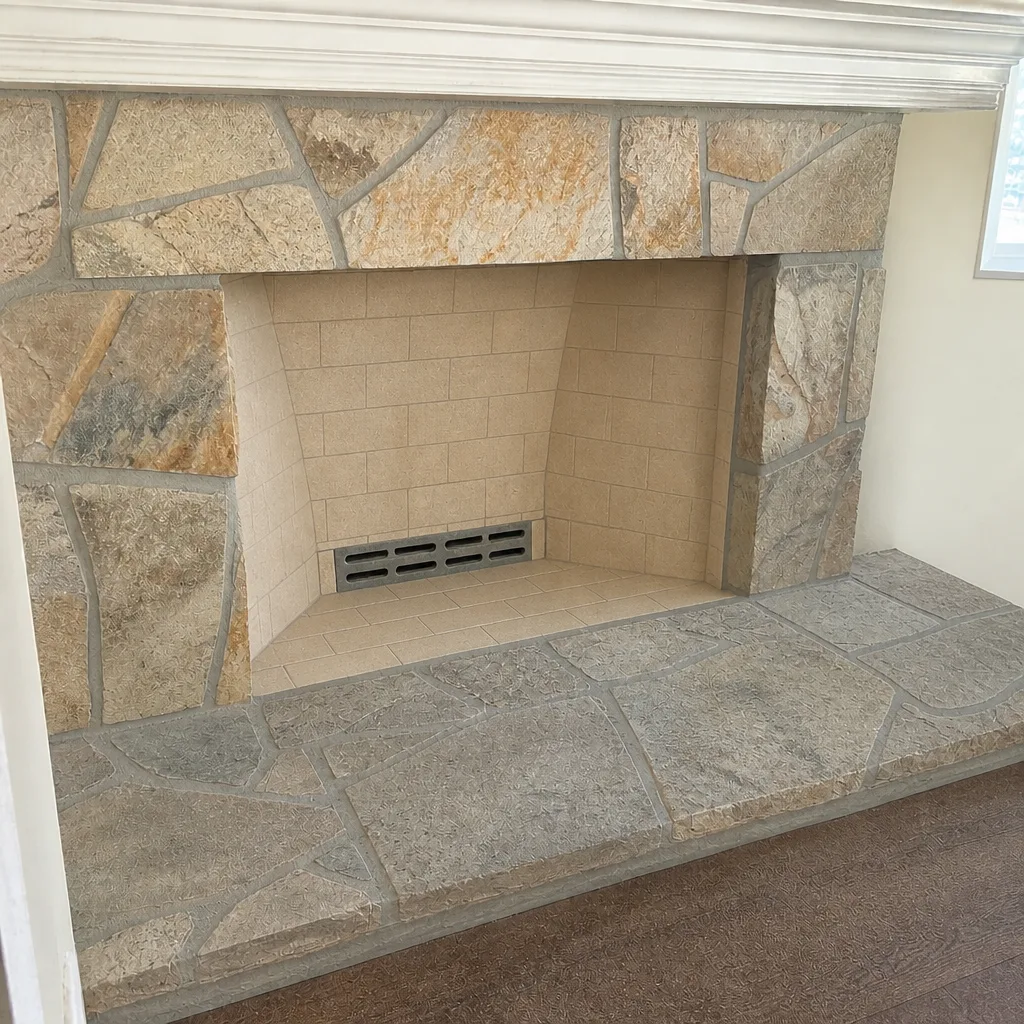
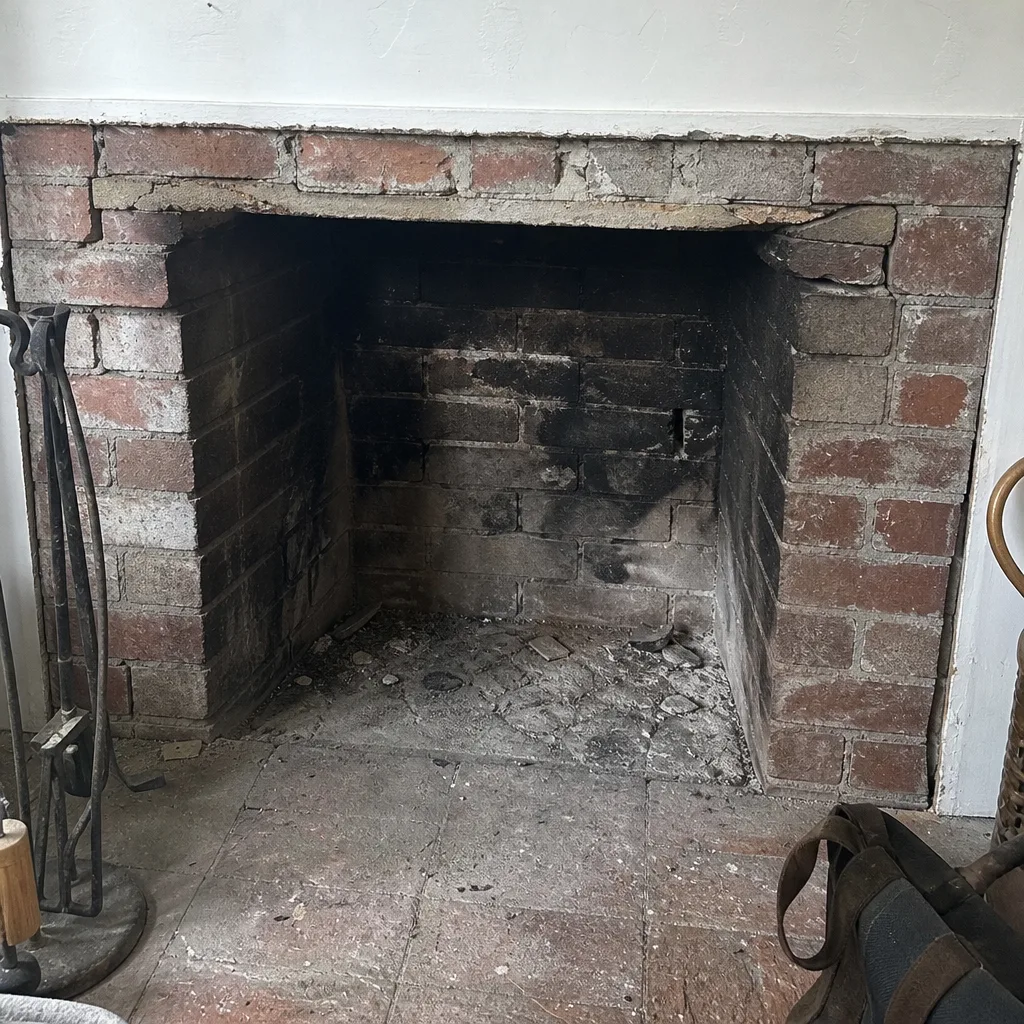
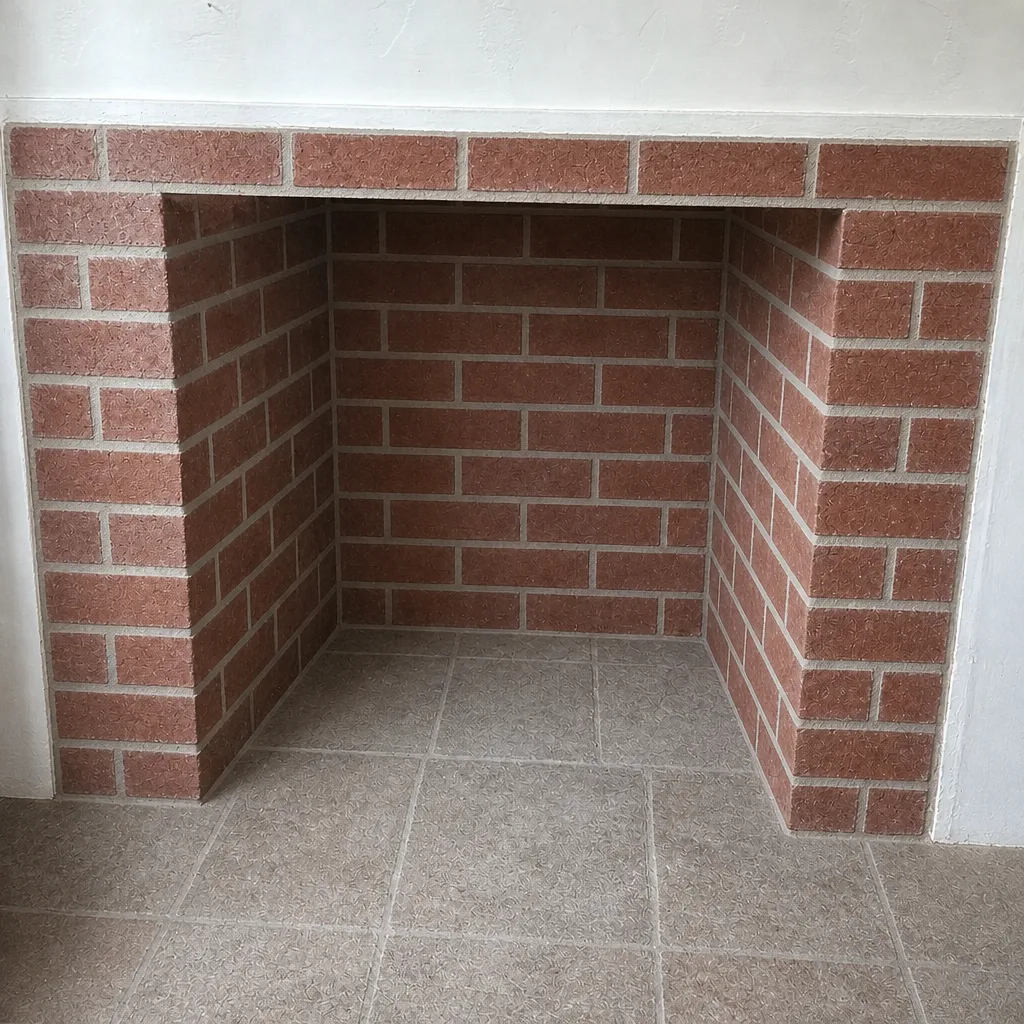
See the difference
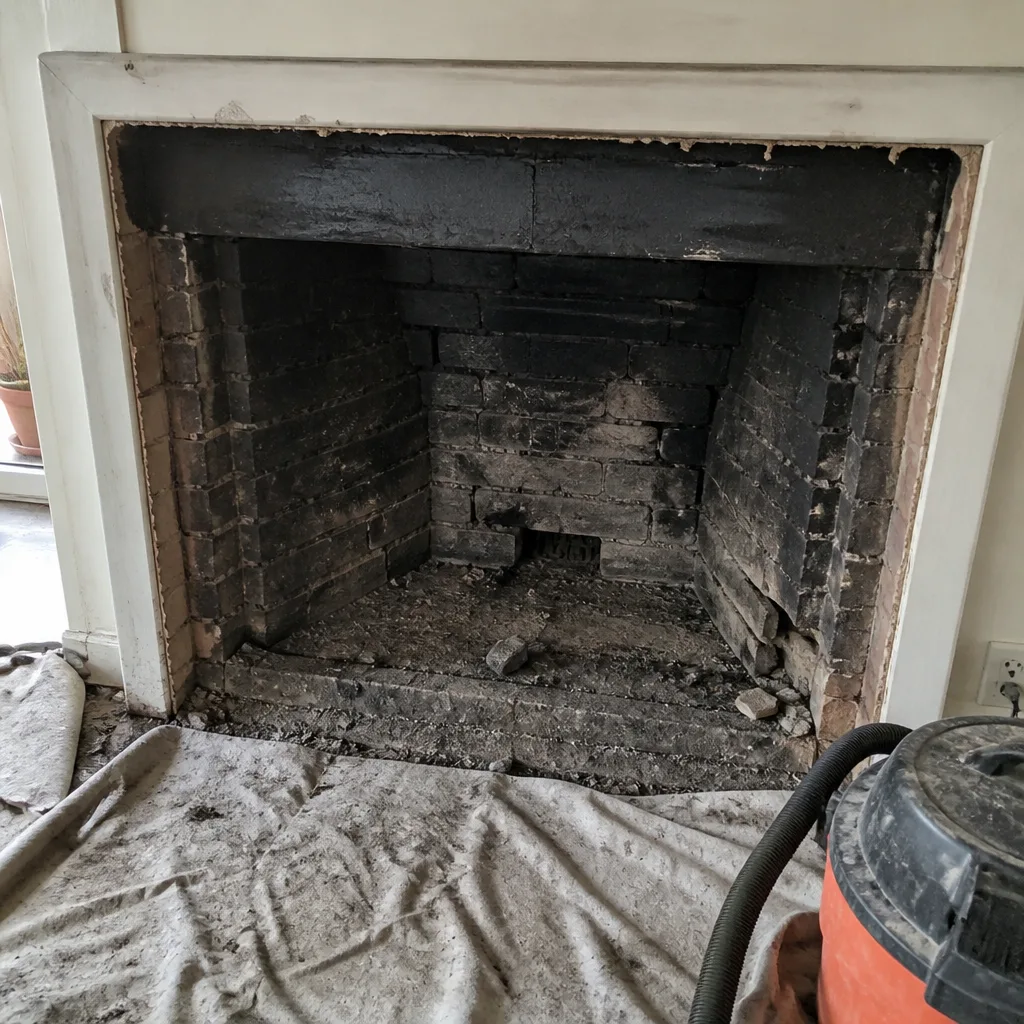 Before
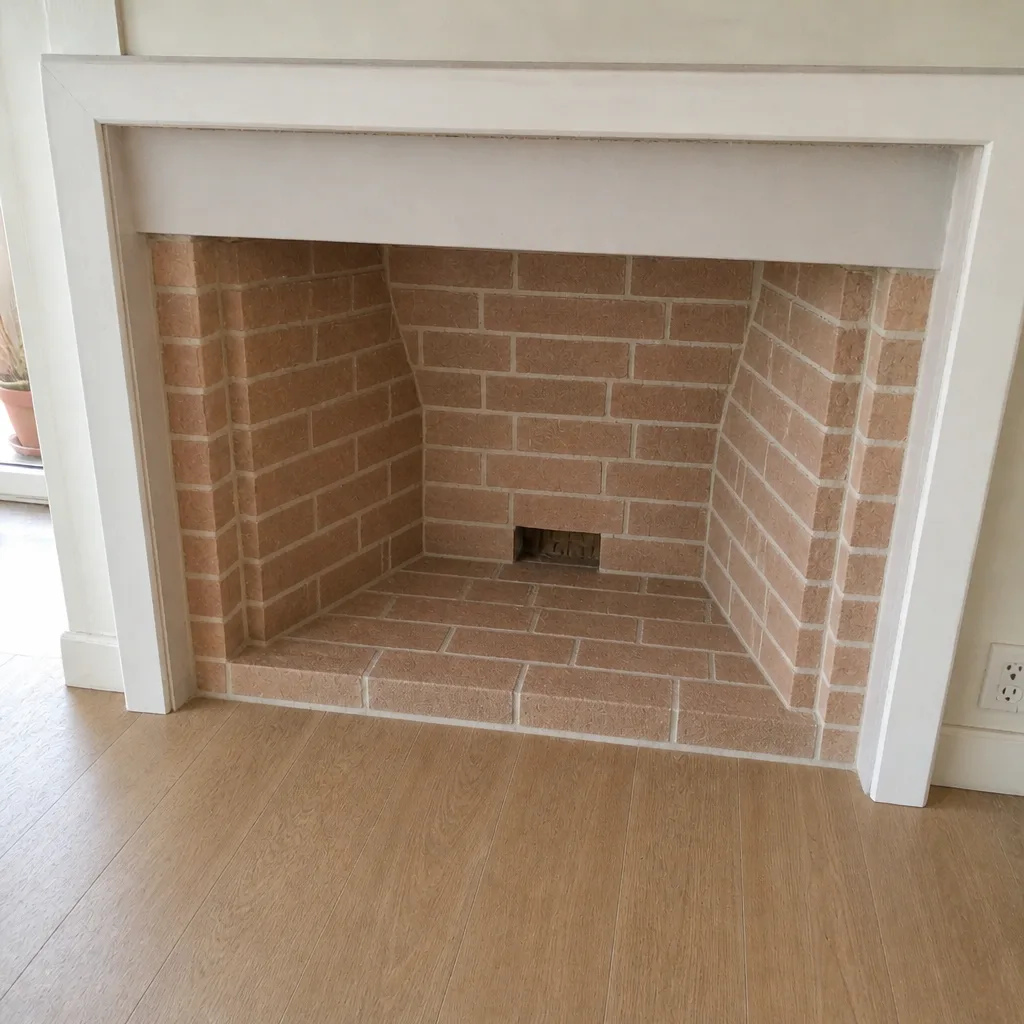 After
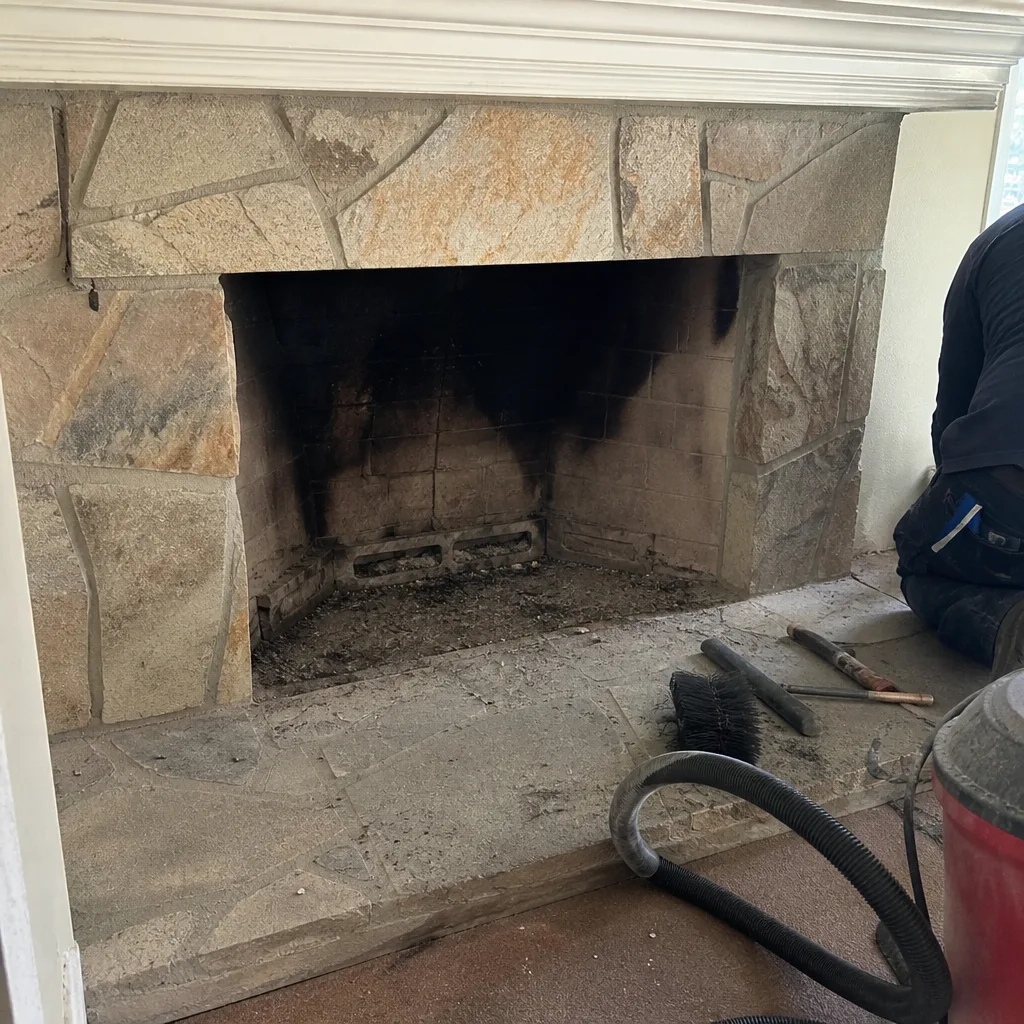 Before
 After
 Before
 After
When to Call a Professional
Call a chimney specialist if you burn wood and haven’t had the flue inspected since you moved in, if you’ve had a chimney fire, if an insurance adjuster flagged repairs, or if you’re comparing two quotes and neither names a material. A camera-based inspection, a sweep, and a written recommendation with photos are the starting point for all of it. A trained technician can also spot failing crown, a poorly fitted cap, or a liner that’s been out of compliance for years without causing a problem yet. Chimney Sweep Dana Point offers free estimates in Dana Point. Call (844) 625-7380. We answer 24/7. Fast dispatch from 7am to 7pm, Sunday through Friday.
Frequently Asked Questions
Trade-tier professionals here generally work with professional supply brands like DuraFlex for flexible liner systems, Olympia Chimney for components and liners, HeatShield for resurfacing, and Famco or Copperfield for caps. The exact list varies by contractor, and a specialist should be able to name theirs on request. Ask for the brand and the alloy together when you compare quotes. Call (844) 625-7380 to ask us what we’d specify for your chimney – estimates are free.
Ask for the alloy grade (304 or 316 stainless), the wall thickness in thousandths of an inch, and the UL listing reference. Trade-grade flexible liner systems will have all three documented. Builder-grade components typically won’t, because they’re sold as a component rather than as a listed system. If the answer to any of the three is vague, you don’t have enough information yet.
316 stainless holds up better to chloride exposure and higher flue temperatures, and it’s the safer choice for a wood-burning flue in a mild climate where the chimney cycles between use and idle. 304 is the lower-alloy option and works for some applications but is a step down in durability. Ask which alloy is being proposed and why.
A cap is the most common entry point for water, and water is the most common cause of chimney deterioration. A trade cap from a brand like Copperfield or Famco is sized to the flue, built from heavier stainless, and designed to be opened for servicing. A thin builder-grade cap fits loosely and fails early. Since the cap is the first thing a chimney rejects, brand choice there is cheap insurance against structural work later.
HeatShield is a chimney resurfacing product used to restore a damaged crown or smoke chamber without tearing masonry out. It requires product-specific training to apply, which is why most general sweeps either don’t offer it or outsource the job. A mortar patch addresses the visible crack. A resurfaced crown with a trade product addresses the surface and the joint that caused the crack. The two show different results two seasons later.
You need a liner if your existing liner is cracked, oversized or undersized for the firebox, or unlined. The only honest way to know is a camera inspection with photos you can see. If a technician recommends relining, ask for the footage. A trade-grade system installs with a written recommendation, a UL listing, and a report you keep. Call (844) 625-7380 for an exact quote – estimates are free.
The Bottom Line
The brands in a chimney quote are the part of the job you’ll never see again. That’s why they’re worth asking about. Compare two Dana Point quotes by naming the liner alloy, checking the wall thickness, asking for the UL listing, and confirming the cap and crown are included and installed in-house. Trade-grade flexible liners from a professional supply chain and a trained resurfacing product like HeatShield outlast the alternatives. The contractor who names their materials without hesitation is the one built to outlast the quick fix. Chimney Sweep Dana Point sources from a curated trade roster and handles inspection through repair in one place. Call (844) 625-7380. We answer 24/7. Fast dispatch from 7am to 7pm, Sunday through Friday.
Written by the team at Chimney Sweep Dana Point.