
Last updated November 25, 2026
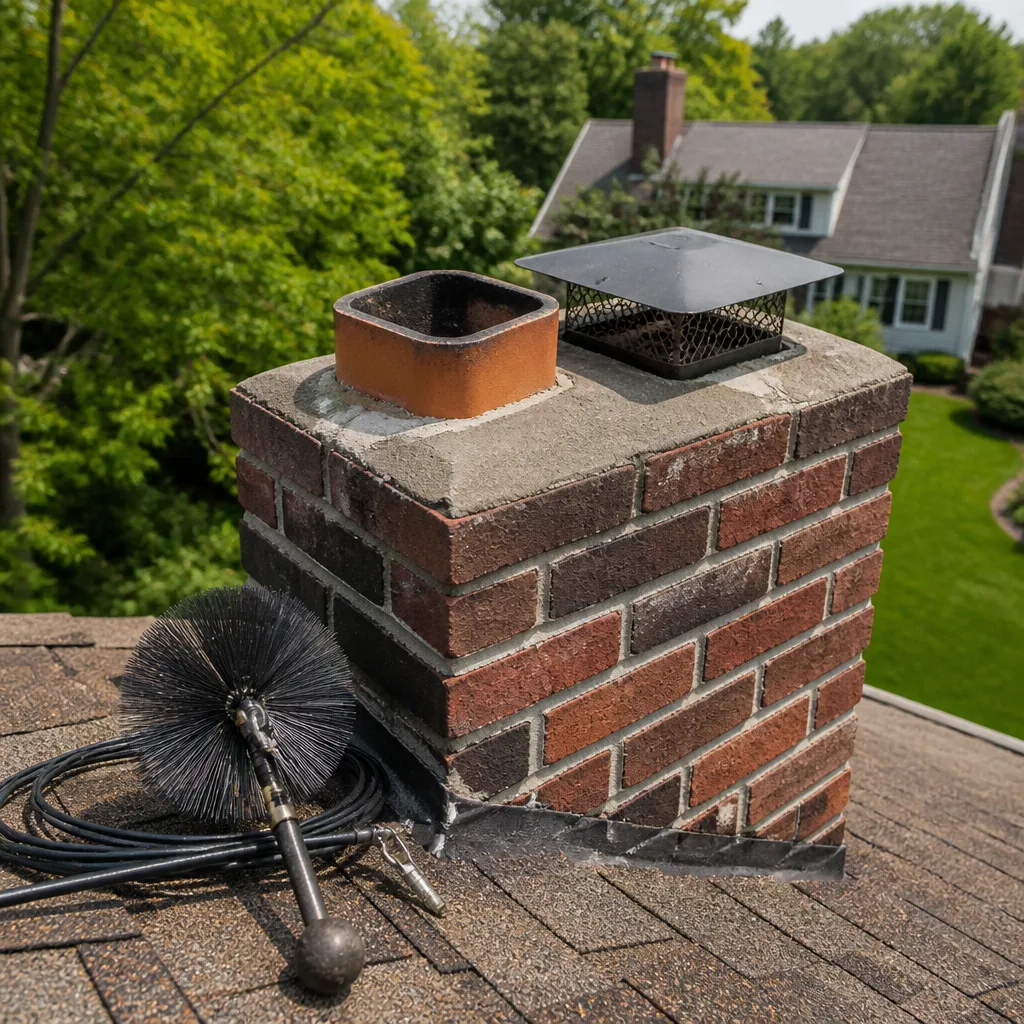 Sweep & inspection
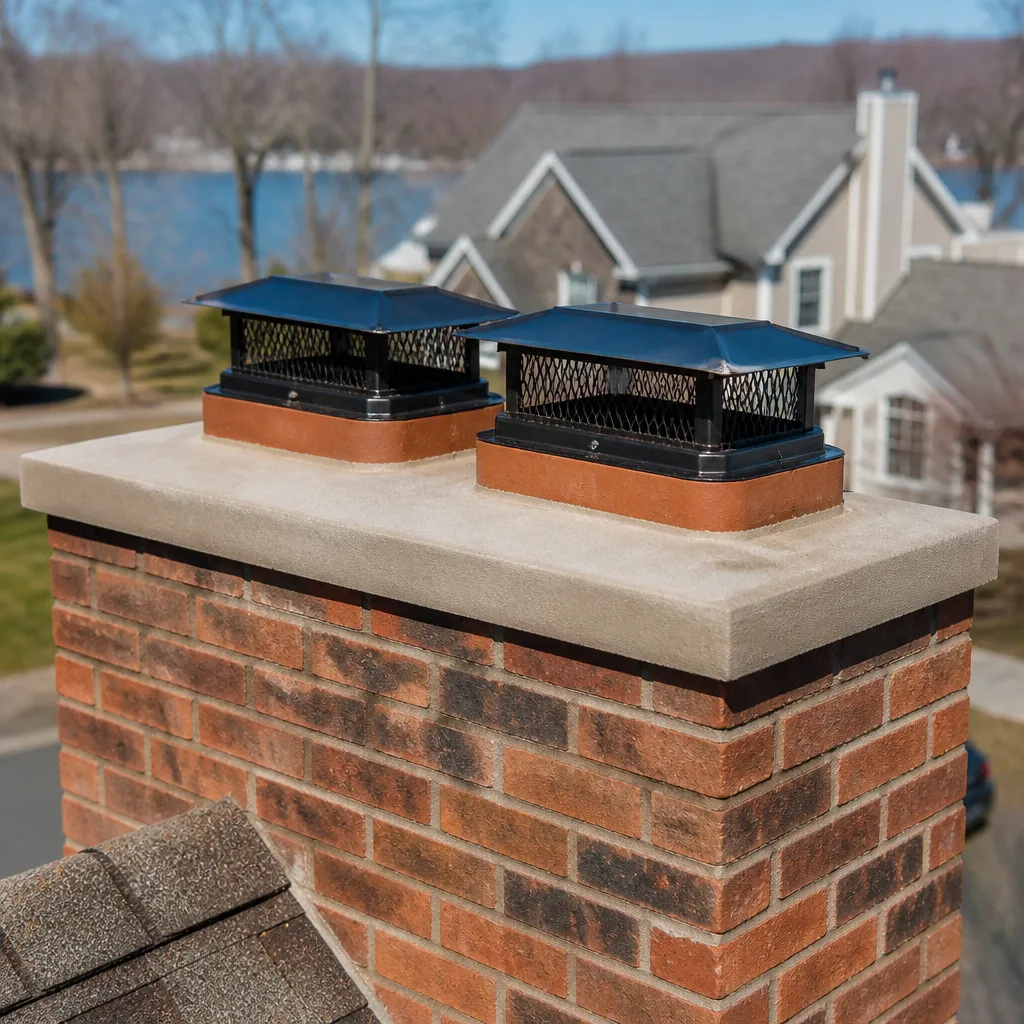 Caps & crowns
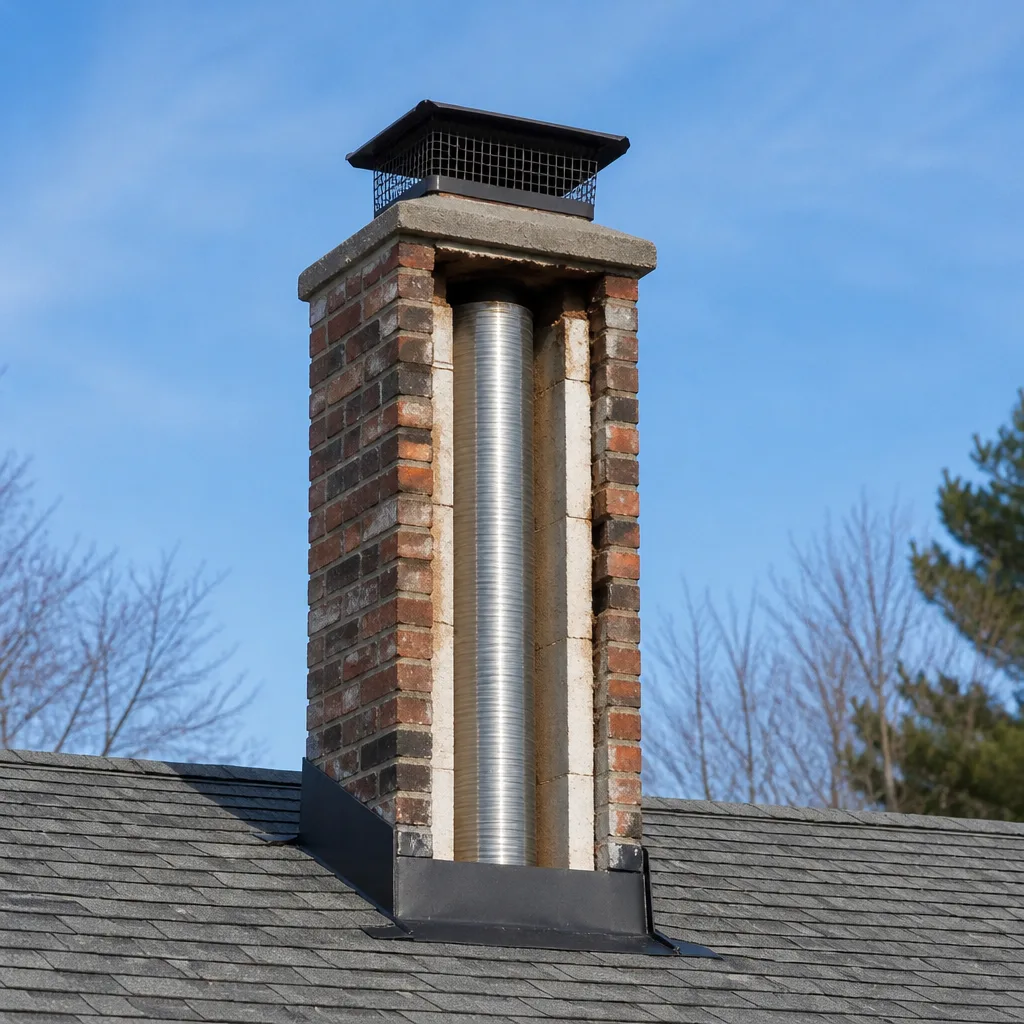 Flue relining
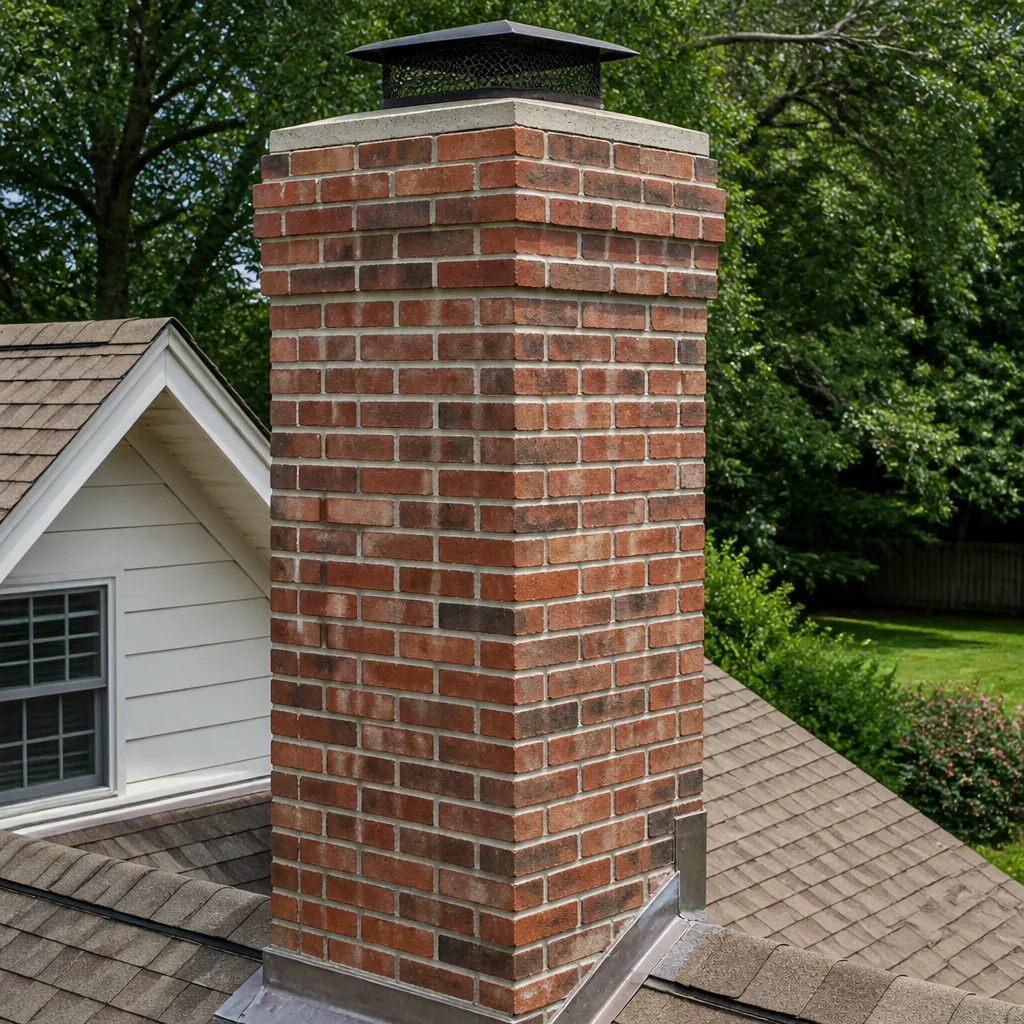 Masonry repair
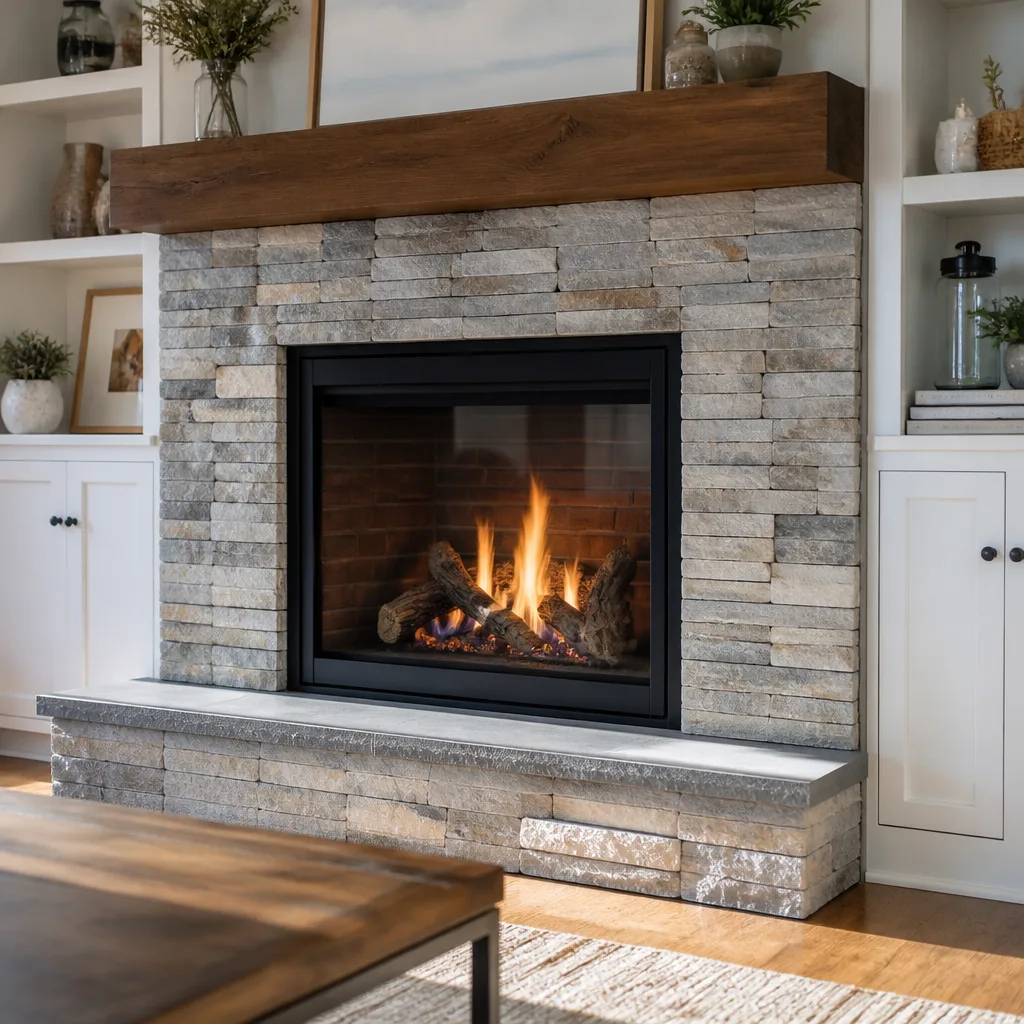 Gas fireplace service
Level 1 sweep and inspection to the NFPA 211 annual standard - flue, crown, cap, and flashing checked and photographed
Chimney sweep logs do not sweep chimneys. They loosen some creosote - which then falls where a brush and vacuum still have to collect it.
How to Hire a Chimney Cleaning Contractor in Dana Point: A Step-by-Step Guide
There’s no licensing exam in California specifically for chimney sweeps. Which means the barrier to calling yourself one is essentially a business license and a brush. That surprises most homeowners, and it’s the reason this guide exists. In a small market like ours, the pool of true chimney specialists is thin while the number of handyman-adjacent services borrowing chimney language keeps growing. This guide walks you through the specific questions to ask, the credentials to verify, and the red flags that separate a materials-informed specialist from a generalist. Learn it once, and you’ll know what you’re paying for in Dana Point for years to come. Here’s how to tell the two apart before you book.
Quick Answer
To hire a chimney cleaning contractor in Dana Point, verify current CSIA certification through the CSIA directory, ask whether they install their own liners, caps, and crowns or refer the work out, and demand a written quote with itemized line items rather than a lump sum. A real specialist can explain which branded materials they use and why, and handles inspection through repair without handing you off. If a contractor can’t answer those questions clearly, they’re not the one to hire.
Styles & brands we work with
- Sweep & inspection
- Caps & crowns
- Flue relining
- Masonry repair
- Gas fireplace service
Table of Contents
- What CSIA certification actually means and how to verify it
- The five questions to ask before you book
- What “full-scope service” means contractually
- How to evaluate a quote line by line
- Red flags specific to the Dana Point market
- Materials knowledge: the quiet differentiator
- A Dana Point homeowner’s hiring checklist
- Common mistakes to avoid
What CSIA Certification Actually Means and How to Verify It
CSIA stands for the Chimney Safety Institute of America, and its certification is the closest thing this trade has to a recognized credential. It’s a real exam covering codes, venting science, inspection standards, and safety. It also requires continuing education to renew. But the credential only matters if it’s current, and that’s where the verification step trips people up. A contractor can name it on a website, a truck, or an ad without holding a valid, in-force certification. The only reliable check is the CSIA’s own online directory.
Here’s how to verify a Dana Point contractor in about three minutes:
- Go to the CSIA website and open its certified professional search.
- Type the contractor’s business name and the city.
- Confirm the certification is active, not lapsed or expired.
- Ask the technician who arrives whether they personally hold the certification or whether it belongs to someone else in the company.
That last step is the one most homeowners skip. Certification attaches to an individual, not a company, so ask whether the person doing the work on your chimney is certified or working under a certified lead. It’s a fair question, and a genuine specialist answers it without flinching.
What CSIA certification doesn’t do is guarantee the contractor installs professional-grade materials. It tells you they know the standards. Whether they install a commercial-grade liner or a hardware-store substitute is a separate conversation, and one this guide gets to below. Think of certification as the floor, not the ceiling, of what to look for.
Some contractors also hold product-specific certifications for resurfacing systems like HeatShield, which require training on that product’s application process. That’s a step beyond general certification and worth noting when you’re evaluating repair capability, not just cleaning. If you want a broader look at what a proper sweep involves, our guide to a chimney sweep covers the service itself.
The Five Questions to Ask Before You Book
These five questions surface the difference between a materials-informed specialist and a generalist within a few minutes on the phone. Ask them before you schedule anything. A confident specialist answers each with specifics; a generalist hedges or changes the subject.
- “What brand of liner do you install, and do you install it yourself?” Professional-trade brands like DuraFlex, Olympia Chimney, and Gelco are the answer you want. A vague “we use whatever’s good” is a signal the contractor doesn’t handle liners in-house.
- “Do you install chimney caps and crowns, or do you sub that out?” Cap and crown work is where water intrusion starts, and a contractor who refers it out is handing off the most common repair in the trade.
- “Are you CSIA certified, and is that certification current?” The follow-up is verifying against the directory yourself.
- “Will I get a written quote with itemized line items before work begins?” A lump-sum number with no breakdown tells you nothing about what you’re buying.
- “Do you do inspection, cleaning, and repair under one company?” A contractor who does the whole scope in-house can diagnose and fix without a handoff. That matters when the diagnosis turns up a repair.
In our experience, the first and fifth questions do the most work. If a contractor installs DuraFlex flexible liner systems in-house, they have the training to reline older or irregular flues, a technically demanding job that separates trained chimney specialists from basic sweep operations. And if they handle inspection through repair, you’re not scheduling a second company two weeks out when the inspection finds a problem.
Write the answers down. If a contractor’s answers are fuzzy on the phone, they’ll be fuzzy in the quote too. There’s no penalty for asking, and the right contractor treats the questions as a sign you take the work seriously.
What “Full-Scope Service” Means Contractually
“Full-scope service” sounds like marketing, but it has a concrete contractual meaning: one company is responsible for the inspection, the cleaning, the cap and crown work, the fireplace repair, and any chimney repair that comes up, from first appointment to final hand-off. The alternative is a contractor who does the cleaning but hands you off to a separate masonry or roofing outfit the moment the work gets structural. That handoff is a red flag, and not a small one.
Here’s why it matters in practice. A sweep who cleans your flue but refers cap and crown installation elsewhere splits responsibility for the one failure point that causes the most water intrusion and structural deterioration. If the cap leaks after installation, you’re caught between two contractors, each pointing at the other. A full-scope company owns the whole job, so there’s no gap for a problem to fall into.
Ask directly: “If the inspection finds a cracked crown or a failing liner, who fixes it?” If the answer is “we do,” you’re working with a full-scope company. If it’s “we can recommend someone,” you’re not.
A full-scope contractor also carries the materials knowledge to match the repair to the problem. A specialized resurfacing system like HeatShield solves a different problem than a flexible liner like DuraFlex, and a generalist handed a repair referral rarely knows the distinction. On our chimney repair page we lay out the repair categories in more detail. The point here is simpler: the company that diagnoses the problem should be the company that fixes it, for the same reason you wouldn’t want your doctor referring you to a stranger for the surgery they just recommended.
How to Evaluate a Quote Line by Line
A quote is a document you’re supposed to be able to read, not just a number you’re supposed to accept. The right quote is itemized, written, and specific about what’s being done, what materials are used, and what the final price will be once the work starts. A vague number is a signal the contractor either hasn’t thought it through or doesn’t want you to.
Every written quote for chimney work should contain these line items:
- Inspection. What level of inspection is being performed, and whether a camera inspection is included.
- Cleaning. The scope of the sweep, and whether it covers the firebox, smoke chamber, and flue.
- Materials. Named brands for any liner, cap, crown, or resurfacing product. “Standard materials” is not a line item.
- Labor. Broken out by task, not bundled into a single total.
- Disposal. What’s removed and how it’s handled, if applicable.
- Final price. A flat figure based on the written scope, with a note that the price is set by the estimate.
Watch for these signals that a quote is vague or padded:
- A single lump-sum number with no breakdown at all.
- Line items in a category like “miscellaneous” or “additional work as needed” with no cap.
- No named brands anywhere in the document.
- A verbal price that changes when you ask for it in writing.
- An estimate marked “approximate” with no mechanism to hold the number.
A quote you can read and question is worth more than one you can’t, even if the number looks lower. The written estimate sets the final price, so insist on having it in writing before anything starts. That single habit protects you more than any other in this guide, and it applies equally to fireplace work; our fireplace repair page covers the repair side of the quote in more detail.
One more thing: ask whether the inspection includes a camera and a photo report. A camera inspection and photo report you can see for yourself is the best defense against being told you need work you can’t verify. If a contractor won’t show you the evidence, that’s a quote you can’t fully trust.
Red Flags Specific to the Dana Point Market
Dana Point’s chimney market is small and thin. That makes it vulnerable to a specific pattern: out-of-area companies running geo-targeted ads into the city without any real local knowledge. They bid on “chimney sweep Dana Point” from an office well outside the area, quote a low number sight-unseen, then discover “additional work” once they’re on site. The pattern repeats because it works on homeowners who haven’t done the verification in this guide.
Watch for these red flags:
- Geo-targeted ads with no local presence. If the only thing tying the company to Dana Point is a landing page, ask where the work would actually be dispatched from. A contractor who can’t explain their connection to the area is a flag.
- Sight-unseen quotes over the phone. A price quoted before anyone has looked at your chimney is a guess dressed up as a quote.
- A changing scope. A low initial number that grows significantly once the technician is on site is the signature move of a company that doesn’t inspect in good faith.
- No camera, no photos. “It’s bad up there” isn’t a diagnosis. A specialist shows you what they found.
- Cut-rate cap and crown work. Water intrusion is the single most common cause of structural damage to a chimney, and the cap and crown are where it starts. A cheap repair here is often no repair at all.
- CSIA named but not held. As covered above, verify against the directory rather than taking the claim on faith.
None of this is about bashing other contractors. It’s about giving you a standard to test against. A locally accountable specialist will welcome every one of these checks, because they’re the ones whose reputation lives in the neighborhoods they work in.
Materials Knowledge: The Quiet Differentiator
The single most reliable tell between a materials-informed specialist and a generalist is the brand names they can speak to. A contractor who works with a curated roster of professional-trade brands, including DuraFlex, Olympia Chimney, Gelco, and Famco, has access to commercial-grade liner systems, caps, and components that outlast what a hardware store sells. They also know which brand solves which problem, and they can install their own products rather than bolting on whatever the home improvement store had in stock.
Here’s what that looks like in practice. DuraFlex flexible liner systems handle older or irregular flues, a technically demanding job that requires product-specific training. HeatShield resurfacing addresses a different failure, the deterioration of the flue’s interior surface, and it’s a process most local sweeps either outsource or skip entirely because it requires certification specific to the product. A cap from a professional line like Copperfield or Olympia Chimney is chosen for durability, not just because it fits. Generalists can’t make these distinctions because they haven’t been trained on the products. They install the one thing the local store stocks and move on.
Ask a contractor to name the brands they install and to explain what each one is for. A specialist gives you a specific answer. A generalist gives you a shrug. The materials knowledge is what makes the repair built to outlast the quick fix, and it’s the reason the job behind the job (fixing the root cause rather than the symptom) actually gets solved.
A Dana Point Homeowner’s Hiring Checklist
This is the practical version of everything above, condensed into a sequence you can work through in one afternoon. Print it or keep it on your phone and use it when you call.
- Confirm the contractor’s CSIA certification is current through the CSIA directory, not the contractor’s website.
- Ask whether the person doing the work is certified or working under a certified lead.
- Ask which professional-trade brands they install for liners, caps, and crowns, and get brand names, not categories.
- Ask whether they handle inspection, cleaning, cap and crown work, fireplace repair, and chimney repair under one company.
- Confirm a camera inspection and photo report are included in the inspection.
- Request a written, itemized quote with named materials, broken-out labor, and a final flat price.
- Ask for the connection between the contractor and Dana Point, and be skeptical if there isn’t one.
- Compare at least two written quotes before you book.
Run through all eight and you’ll have a much clearer picture than any review site will give you. The checks are quick, and they’re the same checks a careful specialist runs on their own suppliers.
Common Mistakes to Avoid
- Hiring on price alone. The cheapest quote in Dana Point is often the one that grows once the technician is on site. Price matters, but a vague number tells you nothing about what you’re buying.
- Accepting “CSIA certified” without verifying it. The claim is common; current certification is not. A three-minute check on the directory settles it.
- Skipping the camera inspection. A sweep without a camera and photo report leaves you taking the diagnosis on faith. You’re paying for evidence you can check for yourself.
- Ignoring the cap and crown. Water intrusion from a failing cap or crown is the most common cause of structural damage to a chimney, and a cleaning service that doesn’t address it is only half the job.
- Booking from a geo-targeted ad without a local check. Out-of-area companies running ads into Dana Point have no reason to care about the neighborhood. Ask where the work is dispatched from.
- Accepting a lump-sum quote. No itemization means no way to tell materials from labor from padded markup. Insist on a written, itemized estimate before booking.
- Letting a repair get handed off mid-project. A contractor who refers cap, crown, or liner work out is splitting responsibility for the part of the job most likely to go wrong.
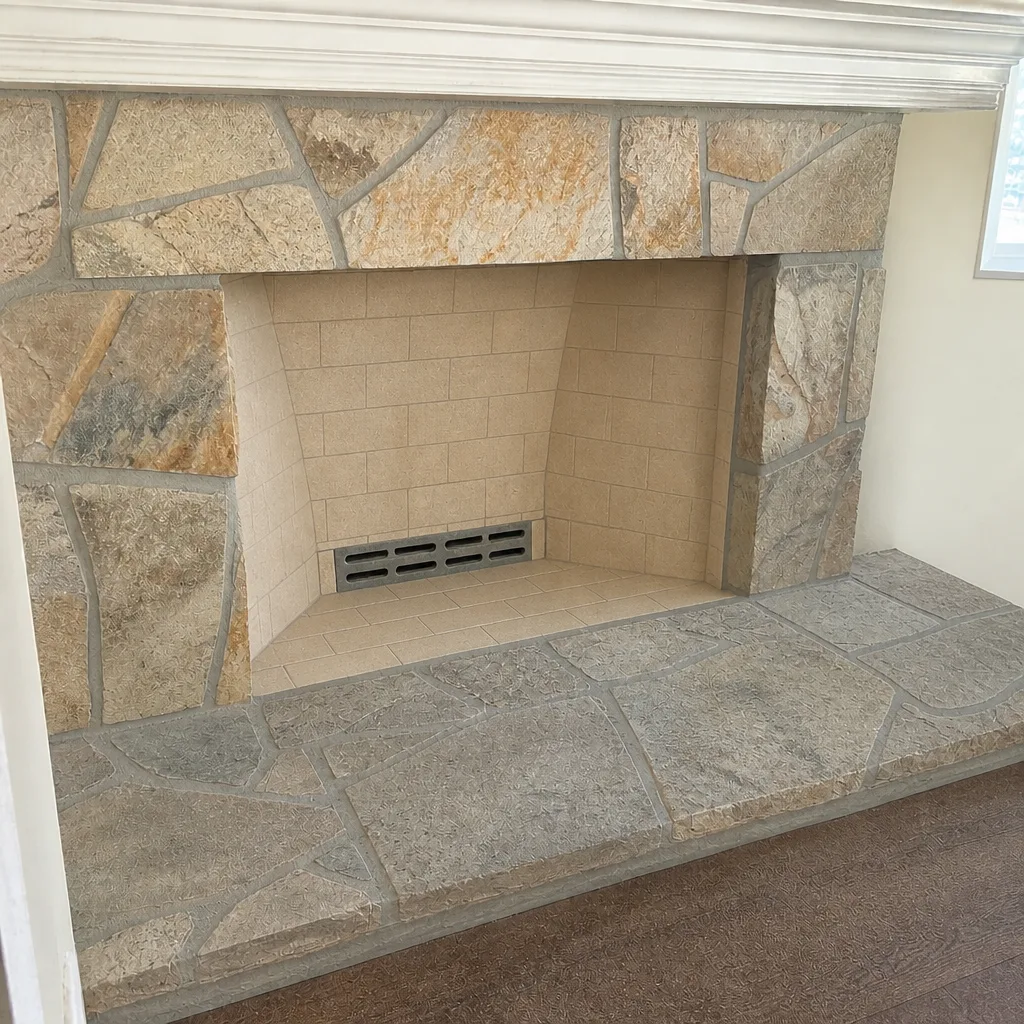
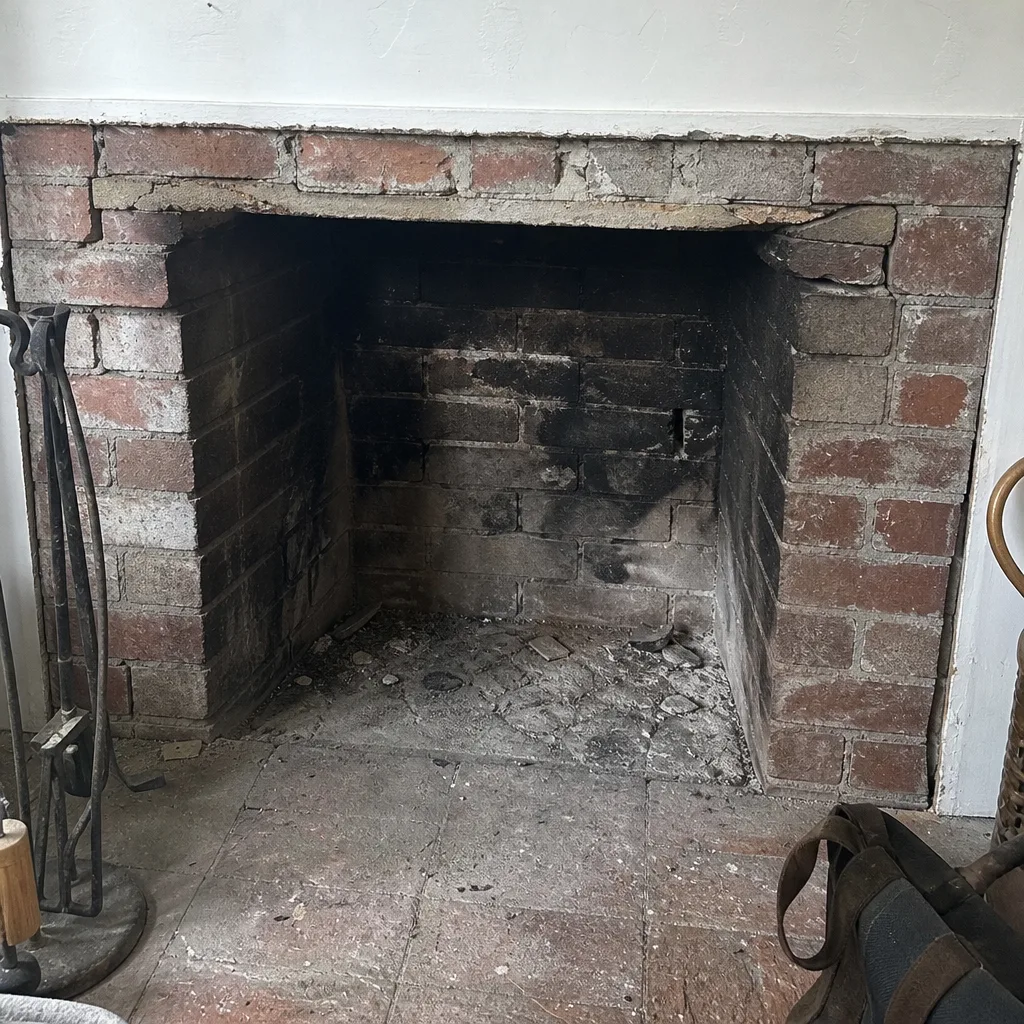
See the difference
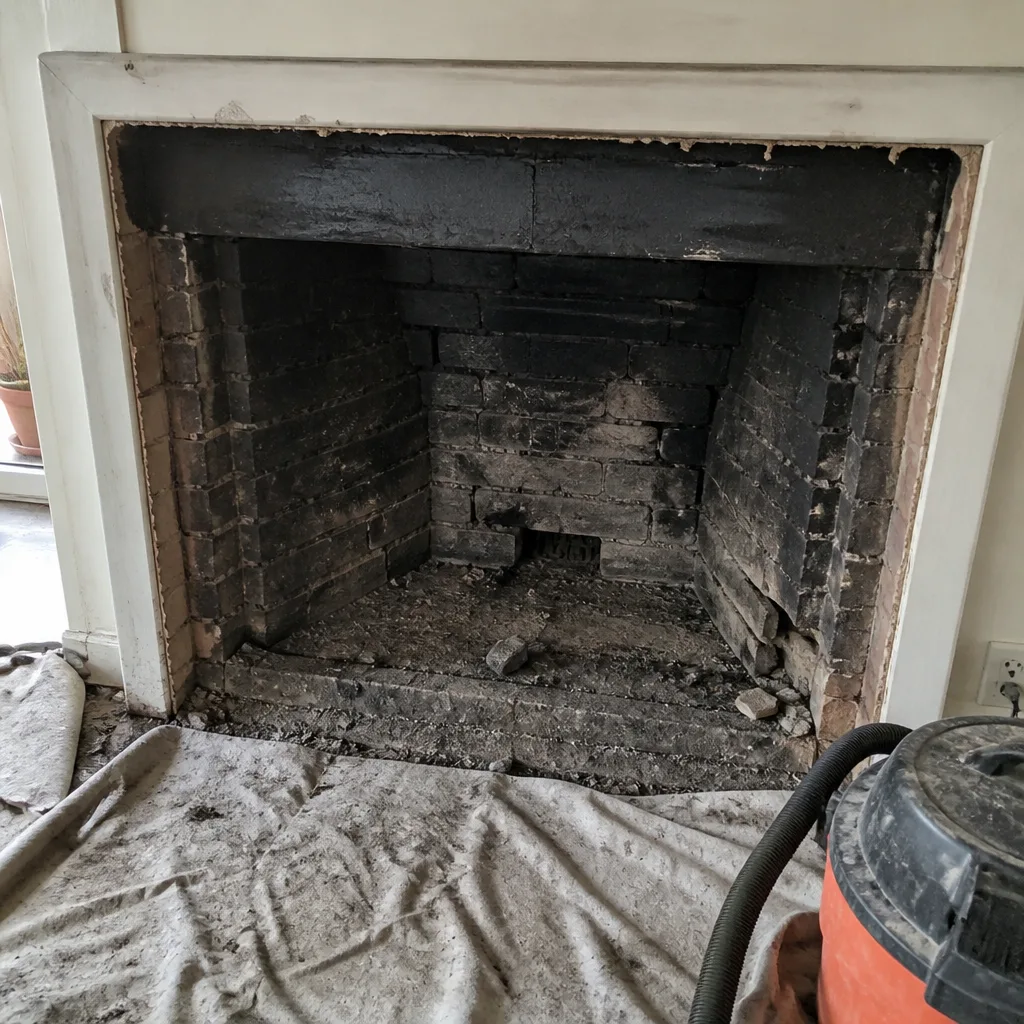 Before
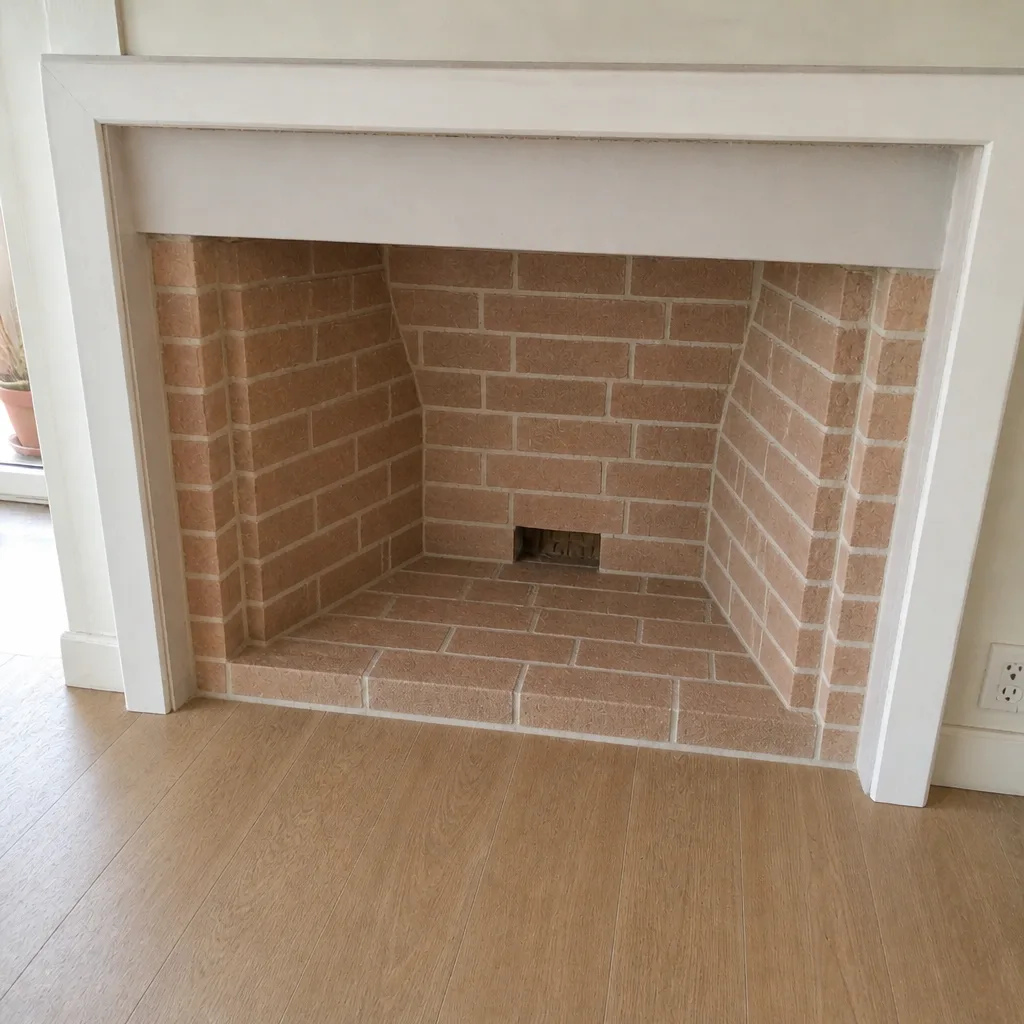 After
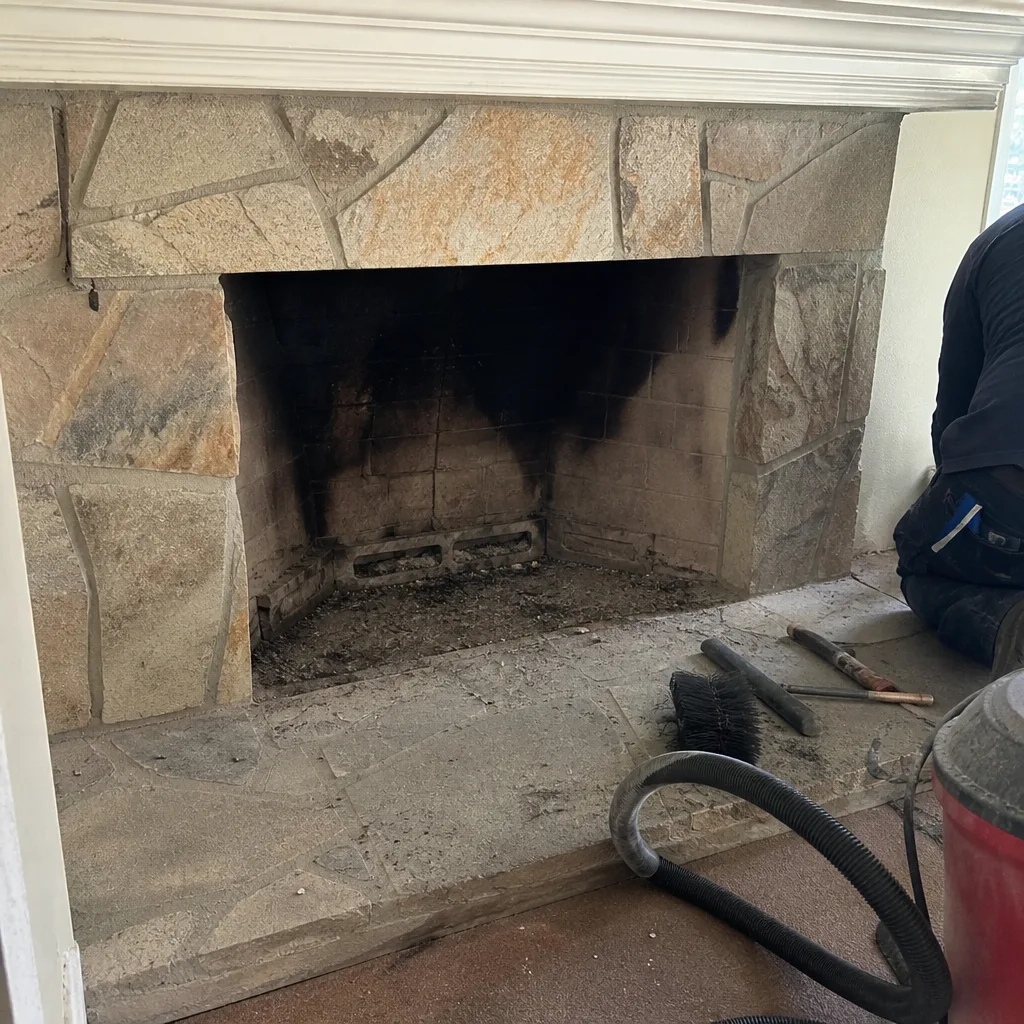 Before
 After
 Before
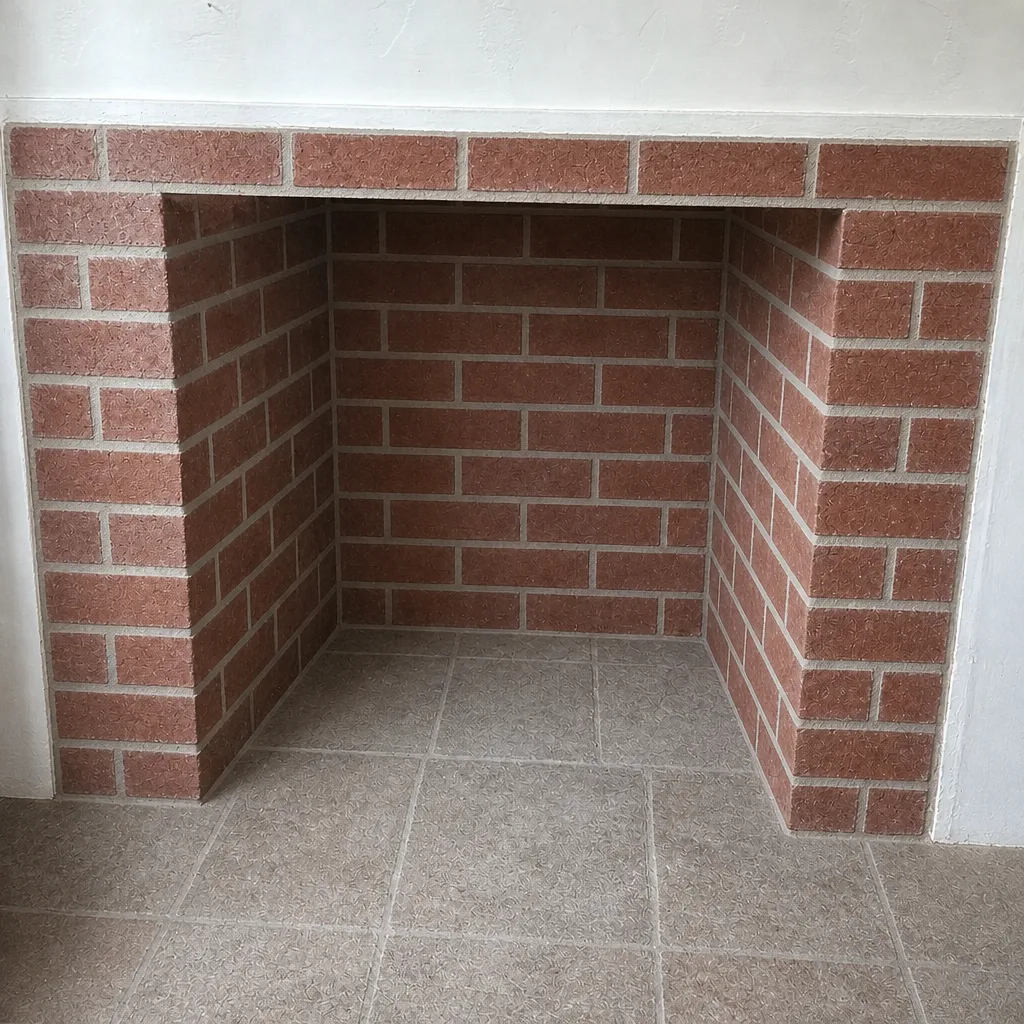 After
When to Call a Professional
Some situations call for a trained chimney professional rather than a DIY attempt. High-tension springs, gas lines, and electrical connections inside a fireplace system are genuinely dangerous, and we’d recommend a certified technician for any of them. Get a professional on the phone when your flue hasn’t been inspected since you moved in, when you notice smoke coming back into the room, when you smell a strong creosote odor after use, when soot or debris is falling into the firebox, or when an inspector or insurance adjuster has flagged work that needs to be done. Those are all signs the job behind the job may need attention. For a basic cleaning, you can still get a straight answer from a specialist before you decide. Chimney Sweep Dana Point offers free estimates in Dana Point; call (844) 625-7380. We answer 24/7. Fast dispatch from 7am to 7pm, Sunday through Friday.
Frequently Asked Questions
Look the contractor up in the CSIA’s online certified professional directory and confirm the certification is active, then ask whether the technician doing the work holds it or works under a certified lead. A current, verified certification is the clearest baseline credential in this trade. If it isn’t there, ask why.
A written quote should itemize the inspection, the cleaning scope, the named materials, the labor, any disposal, and a final flat price. Named brands for any liner, cap, or crown are essential. A single lump sum with no breakdown is a signal the contractor doesn’t want you reading closely. Call (844) 625-7380 for a free estimate.
Most fireplaces used regularly benefit from an annual inspection and cleaning, and a wood-burning fireplace used heavily through the cool season warrants a sweep once soot and creosote build up. In our experience, waiting until you notice a problem means addressing it after it’s grown. Annual inspection keeps the picture clear. Call (844) 625-7380 for an exact quote; estimates are free.
A liner needs replacing when the existing flue is cracked, deteriorated, or sized wrong for the appliance, and the only way to know is a camera inspection. Ask to see the photos, and a specialist should be able to show you exactly what’s failing and why. If they can’t show you, don’t authorize the work. Call (844) 625-7380 for an exact quote; estimates are free.
Creosote builds up on the flue walls with every fire, and when it reaches certain levels it can ignite, which is what a chimney fire is. Blockages from soot, debris, or animal nests can also send smoke and carbon monoxide back into the room instead of up the flue. Those are real risks, not scare tactics. A camera inspection tells you how much buildup you actually have, so you’re deciding on evidence. Call (844) 625-7380 for an exact quote; estimates are free.
Sight-unseen quotes are guesses, and the on-site “additional work” is the contractor discovering what a proper inspection would have found at the outset. A specialist inspects first, quotes from the inspection, then sets a flat price in writing. If a quote grows, ask what the camera showed. Call (844) 625-7380 for a free estimate, and we’ll show you what we find.
The Bottom Line
Hiring a chimney contractor in Dana Point comes down to verification, materials, and scope. Verify CSIA certification directly rather than taking the claim at face value. Ask which professional-trade brands the contractor installs and whether they handle liners, caps, and crowns in-house. Insist on an itemized written quote with a final flat price and a camera inspection you can see yourself. And be skeptical of out-of-area companies running geo-targeted ads into the neighborhood. These checks separate a materials-informed specialist from a generalist with a brush, and they’re the same checks worth running every time. If you want to see what working with us looks like from the first appointment, start at Chimney Sweep Dana Point.
Our technicians have up to 11 years of experience. Call (844) 625-7380 for a free estimate. We answer 24/7. Fast dispatch from 7am to 7pm, Sunday through Friday.
Written by the team at Chimney Sweep Dana Point.