
Last updated November 25, 2026
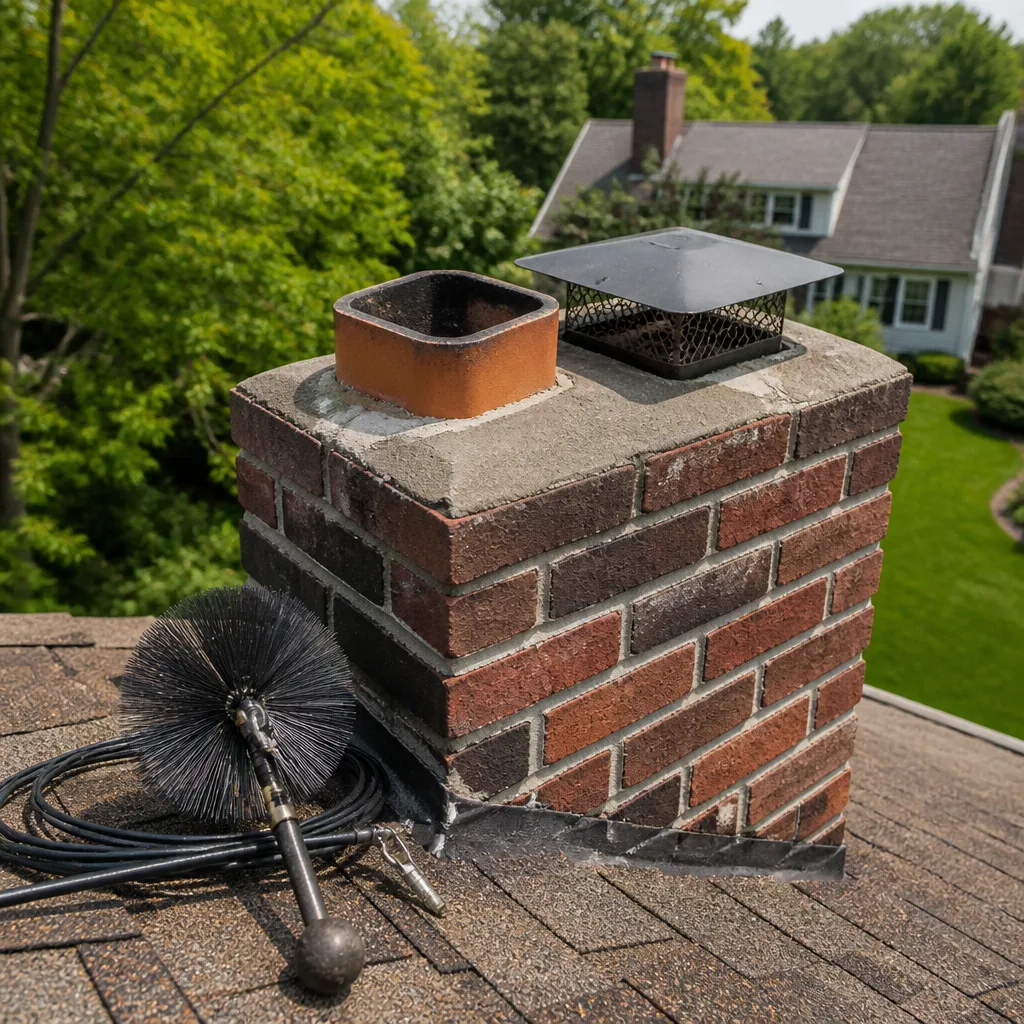 Sweep & inspection
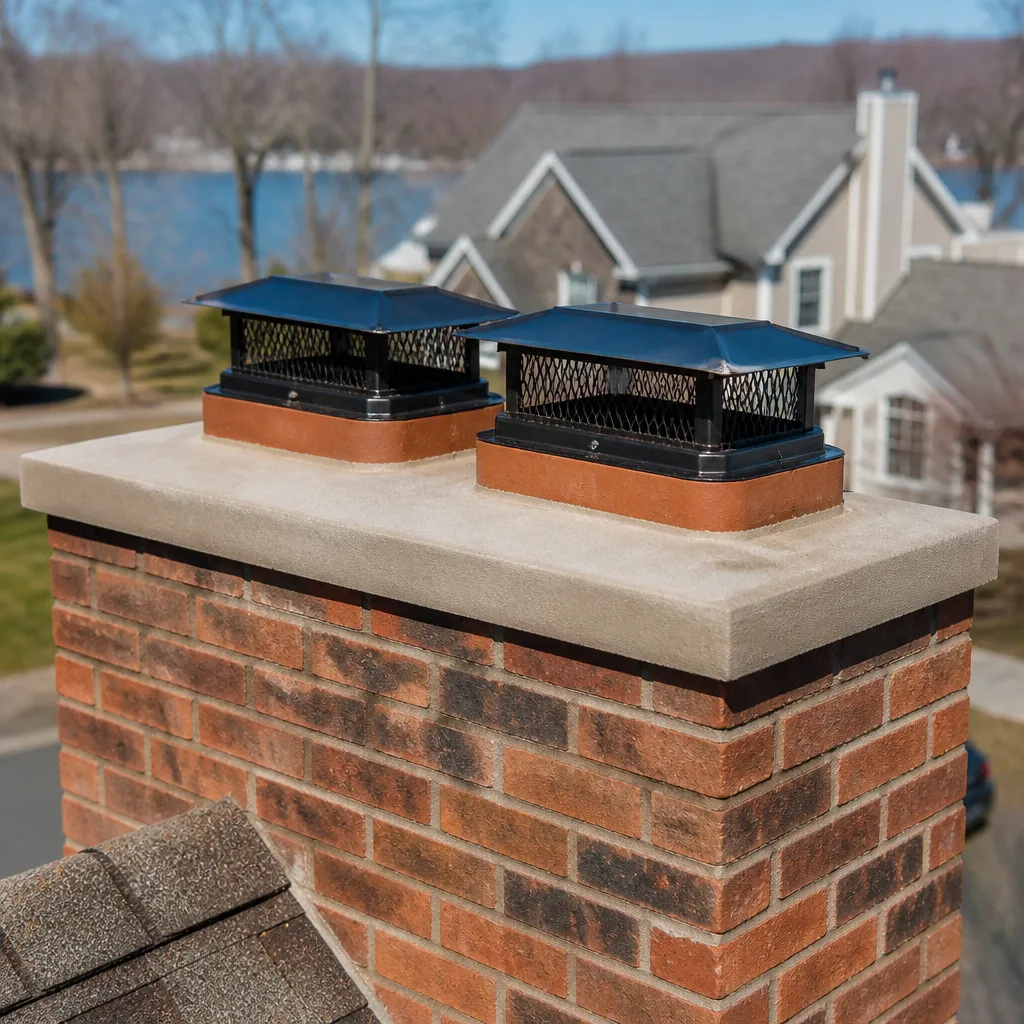 Caps & crowns
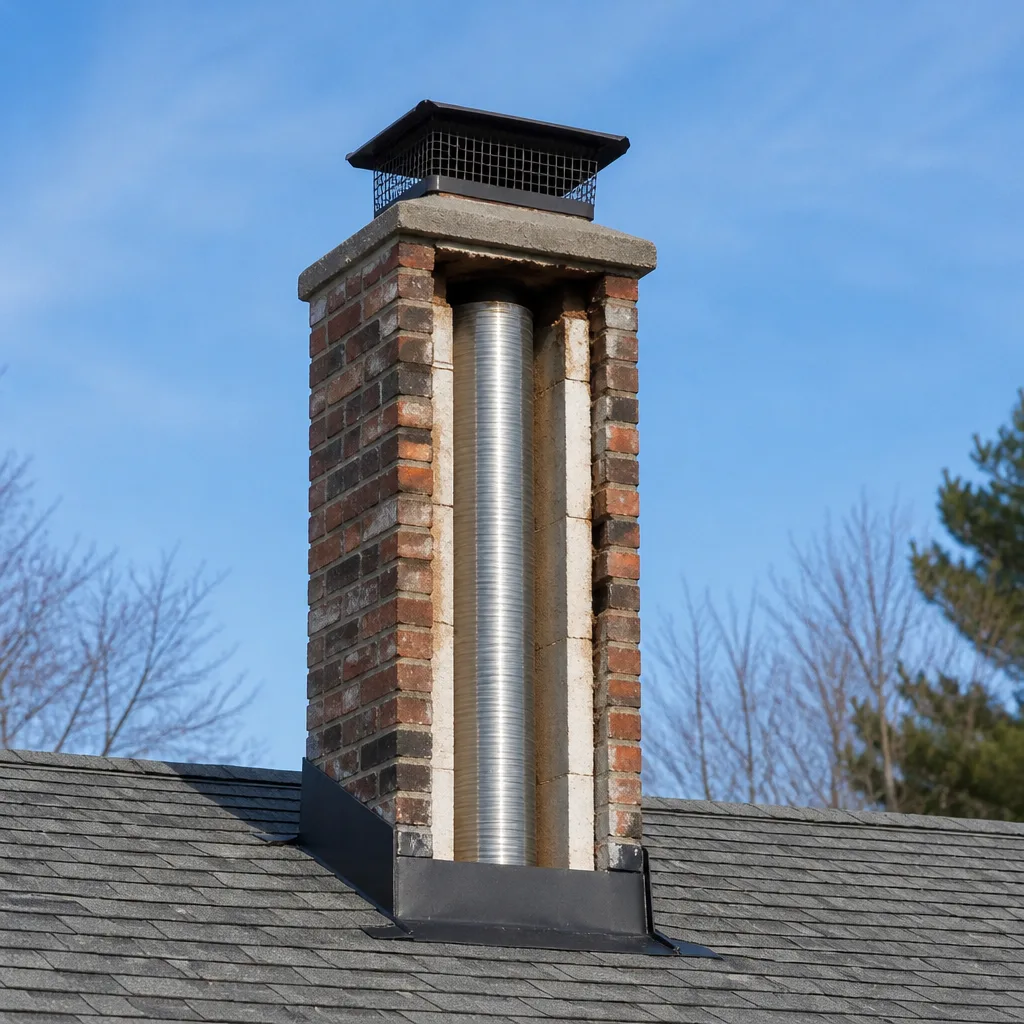 Flue relining
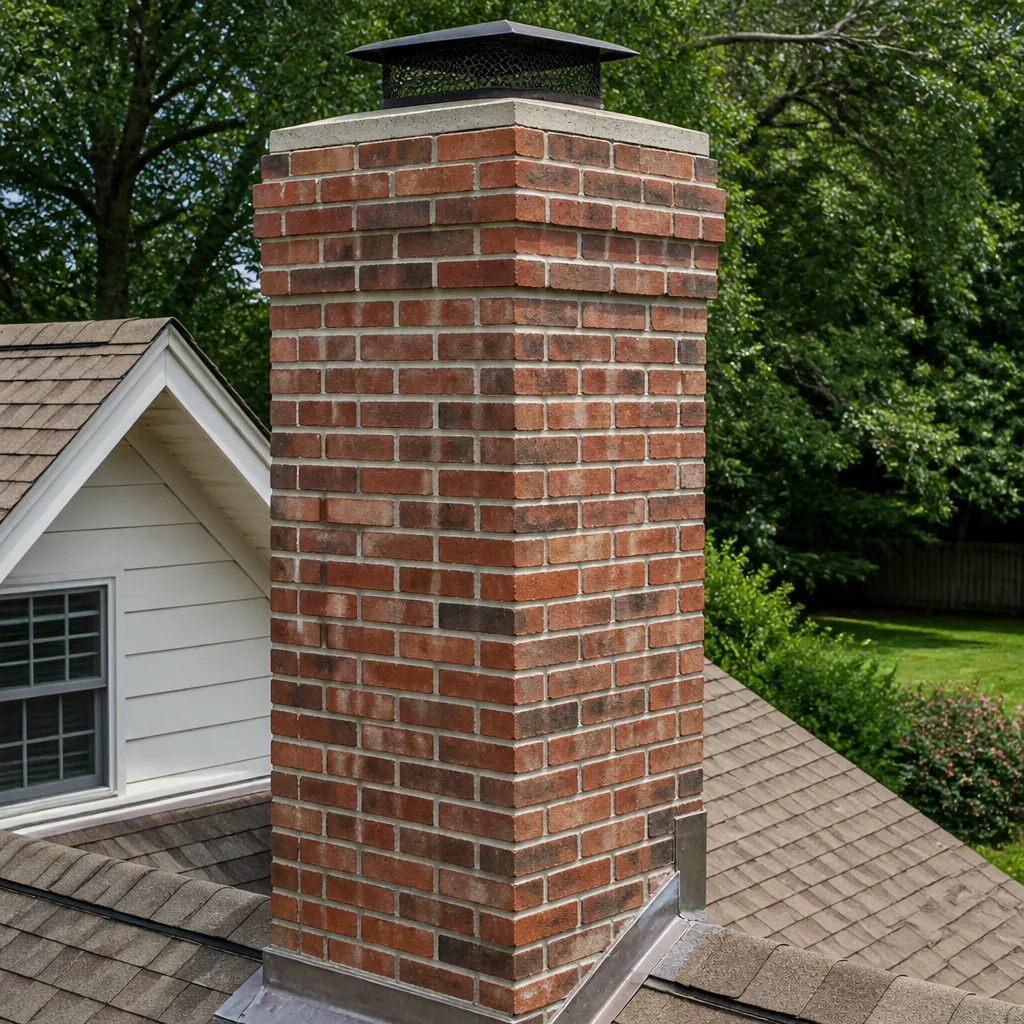 Masonry repair
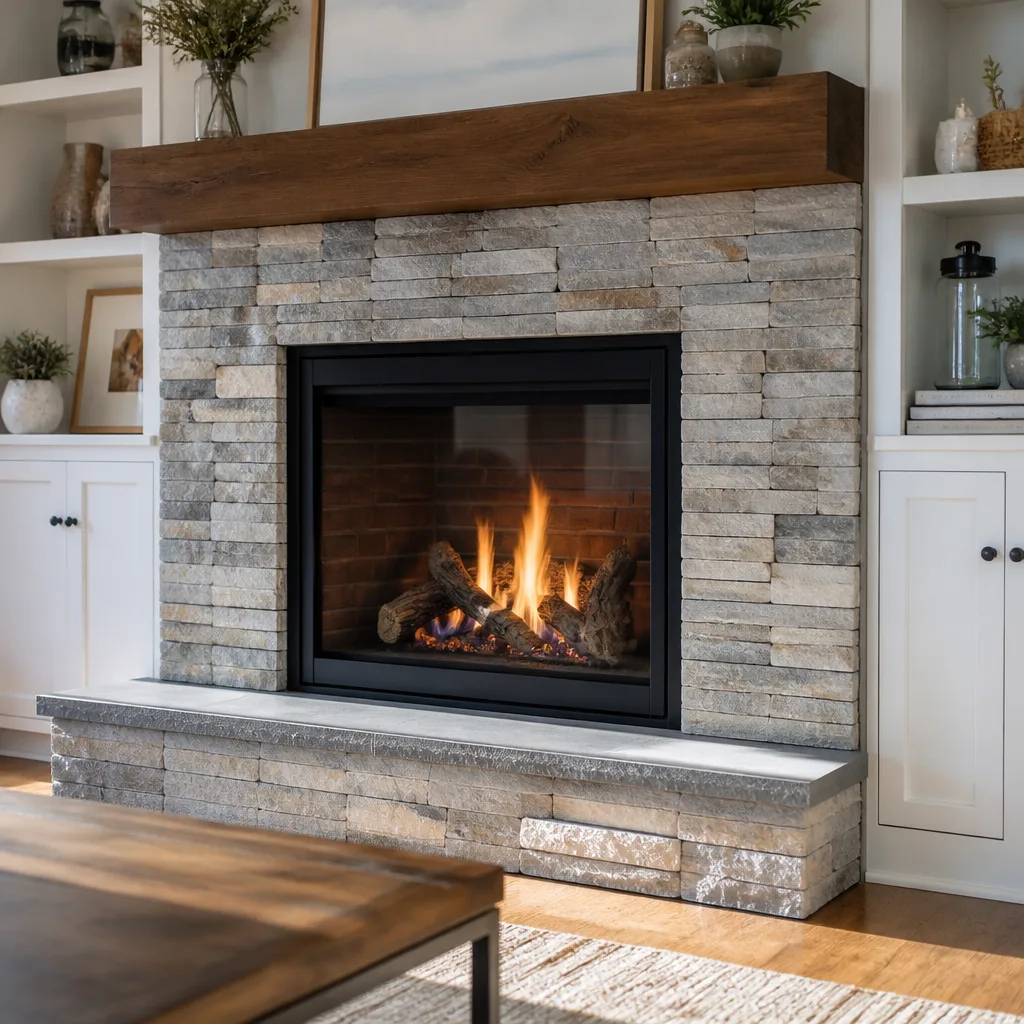 Gas fireplace service
Level 1 sweep and inspection to the NFPA 211 annual standard - flue, crown, cap, and flashing checked and photographed
Chimney sweep logs do not sweep chimneys. They loosen some creosote - which then falls where a brush and vacuum still have to collect it.
The Complete Guide to Chimney Cleaning in Dana Point
Most Dana Point homeowners light their fireplace fewer than 15 times a year. That sounds like a reason to skip a cleaning, but it’s actually one of the strongest reasons to get one. A chimney that sits idle for nine months accumulates a slow, quiet set of problems: moisture condensing on cool flue walls, mortar softening in the humid air, and last season’s creosote hardening into a glaze that’s far harder to remove than fresh deposits. This guide explains what chimney cleaning actually involves in Dana Point, what our technicians have up to 11 years of experience seeing on local flues, and how to tell necessary work from a sales pitch.
Quick Answer
Chimney cleaning in Dana Point should happen at least once a year, and the visit should include a visual inspection of the firebox, damper, flue, cap, and crown, not just a brush down the flue. Low-use coastal fireplaces build creosote slowly but also trap moisture, so a cleaning that verifies the liner and masonry condition matters as much as the sweep itself. A proper visit ends with photographic evidence of what was found and a written report.
Styles & brands we work with
- Sweep & inspection
- Caps & crowns
- Flue relining
- Masonry repair
- Gas fireplace service
Table of Contents
- Why Low-Frequency Fireplace Use Still Causes Chimney Problems in Dana Point
- Chimney Construction Styles in Dana Point’s 1970s – 1990s Housing Stock
- How Coastal Exposure Affects Mortar Joints and Chase Covers
- What a Full-Scope Cleaning Visit Covers vs. a Sweep-Only Visit
- How to Read a Level 1 Inspection Report
- Follow-Up Work That’s Necessary vs. Upsold
- Trade-Grade Materials and Why They Matter on Dana Point Flues
- What Chimney Cleaning Costs in Dana Point
Why Low-Frequency Fireplace Use Still Causes Chimney Problems in Dana Point
A fire burned 12 times a year still deposits creosote, just more slowly. The trouble in Dana Point is what happens during the other 353 days. When a coastal fireplace sits idle, the air inside the flue is cooler and more humid than the air outside, and that temperature gap pushes moisture into the masonry. It condenses on the inner walls, and any creosote film left from last season absorbs it like a sponge. The result is a sticky, acidic residue that eats into mortar and accelerates corrosion on metal liners.
What that means practically:
- Creosote hardens over months, not days. Fresh, soft creosote is easy to brush away. Creosote that’s had a full damp off-season to cure is often glazed and requires more aggressive removal.
- Moisture drives liner corrosion from the inside. Metal flues rust from the flue side first, not the underside of the cap. A homeowner who never sees visible signs on the outside can still have a compromised liner.
- Low-use chimneys rarely get inspected. A homeowner who burns a fire at Christmas and again over the holidays feels like their chimney gets no wear, so they delay inspection for years. Those are often the chimneys with the most hidden issues.
In our experience, some of the worst-kept flues we see in Dana Point belong to fireplaces that haven’t been lit in over two years. The chimney is not a passive element of the house. It moves air and moisture every day whether or not there’s a fire in the box.
Chimney Construction Styles in Dana Point’s 1970s – 1990s Housing Stock
Dana Point’s residential housing stock mostly dates to a stretch between the 1970s and 1990s, with different construction styles in each decade. That range gives homeowners a spread of chimney types, and each one has known failure points that a good cleaning visit should specifically check.
Masonry fireplaces with clay tile liners (common in the earlier part of the range): The most durable option on paper, but many older liners have hairline cracks in the individual tile sections, particularly where the flue offsets. Those cracks let heat and moisture pass into the surrounding masonry frame.
Pre-fabricated metal fireplaces with metal flues (common in the middle of the range): Fast to install, and popular in Dana Point’s tract-built neighborhoods. The failure point here is the joints between flue sections and the condition of the outer chase. When the chase cover (the metal panel at the top) starts to pit, water enters the chase, not the flue, and rust begins on the outside of the liner where you can’t see it.
Hybrid builds (common in later remodels): A masonry chase with a retrofitted metal liner is common after a fireplace insert or upgrade. This is where we most often find incorrect liner sizing, an issue covered further down in this guide.
If you’re not sure which type you have, the answer is usually visible from the roof. A chimney cap and crown installation inspection will confirm whether your crown is the cast concrete style common in the 1980s or a later poured version, and the crown’s condition tells you a lot about how the chase has held up.
How Coastal Exposure Affects Mortar Joints and Chase Covers
The biggest driver of chimney deterioration in Dana Point isn’t fire. It’s the daily cycle of humidity that settles on every exterior surface the sun doesn’t hit directly.
Mortar joints are the first to show the effect. Mortar is porous by design. It absorbs moisture and releases it slowly, and the cycle weakens the bond between the brick and the mortar over years. On inland chimneys, the cycle is much gentler. On Dana Point chimneys, particularly those on the cooler, shadier side of a house, we routinely find mortar joints that are soft enough to scrape with a fingernail. That’s a sign the joints are past their useful life and the brickwork is starting to lose its bed.
Chase covers are the second weak point. The steel panel that caps the chase on a prefabricated fireplace chimney is a thin gauge, and it’s exposed to the same humidity every day. When the paint film fails, water enters the chase, and the inside begins to rust from the top down. Most homeowners won’t notice until water is staining the ceiling near the fireplace.
What to look for:
- Crumbling or sandy mortar between the bricks, especially at the crown line
- Rust streaks on the chase cover or on the side panels of the chase
- Peeling paint on any metal component at the top of the chimney
- White, chalky deposits on brick or mortar, which indicate ongoing moisture movement
- A visible gap between the chase cover and the chase wall
A blocked or loose chimney cap often accelerates all of the above, because failing hardware lets water in through the top and prevents the flue from drying out. Cap and crown work done in-house during a cleaning visit addresses that specific failure point without bringing in a separate roofer.
What a Full-Scope Cleaning Visit Covers vs. a Sweep-Only Visit
A sweep-only visit brushes the flue and stops there. It’s a real service, and it’s not wrong. But on Dana Point’s housing stock, it leaves real inspection gaps. Here’s the difference in plain terms.
A sweep-only visit typically covers:
- Brushes down the flue to remove soft creosote and soot
- Clears the smoke shelf and damper area
- Removes ash from the firebox
- Vacuum with HEPA filtration so nothing escapes into the room
A full-scope cleaning visit adds:
- Visual inspection of the firebox. Cracks in the firebox brick or mortar tell you if heat is escaping into the frame.
- Damper check. The damper needs to open fully and seat correctly when closed. A damper that leaks air when closed builds up condensation on the flue year-round.
- Flue inspection from below and above. A Level 1 visual inspection from both ends catches offsets, gaps, and liner damage.
- Crown and cap inspection. Confirm the crown isn’t cracked and the cap is anchored and correctly sized.
- Chase cover inspection on prefab fireplaces. Check for rust and any gap at the seal.
- Photographic report. Photos taken during the visit, so you can see exactly what was found.
When you book a chimney sweep in Dana Point, ask upfront what’s included. The camera inspection and photo report should be part of the visit, not a separate appointment. That’s the standard we hold on every job, and it’s the reason our customers can look at what was found on their own chimney rather than taking a report on faith.
How to Read a Level 1 Inspection Report
A Level 1 inspection is the standard visual inspection that accompanies a cleaning. It’s non-invasive: no camera run, no disassembly. It looks at what’s visible and rates condition. Here’s how to read one without getting talked into work you don’t need.
The report should be organized by component, and each component should have one of four ratings:
- Satisfactory: No action needed. It’s doing its job.
- Monitor: Not failing yet, but worth watching. Recheck at the next annual inspection.
- Repair recommended soon: The component will fail, and repairing it now costs less than waiting.
- Unsafe to use: Do not burn until repaired.
Anything rated “unsafe to use” should come with a clear photo and a plain-English explanation of what fails. If a report flags something at that level and can’t show you the photo, ask for it before scheduling the repair.
What a good report includes:
- Firebox and damper condition
- Flue interior (with photos through the length of the flue)
- Crown condition
- Cap and spark arrestor condition
- Exterior masonry and chase condition
- Clear recommendations with a priority level for each
If a report uses language like “your entire chimney needs to be rebuilt” without a section-by-section breakdown, ask for one. Real chimney work is diagnosable component by component.
Follow-Up Work That’s Necessary vs. Upsold
This is the honest part of the guide. Some follow-up work is genuinely necessary, some is elective, and some is offered simply because it can be. Here’s how to tell the difference before you agree to anything.
Usually necessary when flagged with photos:
- Cracked or spalling crown. The crown is designed to shed water away from the chase. When it cracks, water goes straight in. This is the single most common source of water damage and structural deterioration we see, and most generic cleaning services miss it because their scope ends at the flue.
- Missing or loose chimney cap. A cap keeps rain, birds, and debris out. Without one, the flue stays wet between uses.
- Cracked or spalled flue tile. A tile liner that’s cracking needs repair before continued use. This is one where we recommend resurfacing systems like HeatShield when the damage is confined to joints and surface, or a liner replacement when the tile section itself is compromised.
- Deteriorated mortar joints on masonry. Water gets in; freeze-thaw isn’t the mechanism here, but the cycle of moisture absorption and slow drying still breaks down the joint.
Often elective or “monitor”:
- Minor soot staining inside the firebox. Cosmetic. It doesn’t affect function.
- Surface rust on the chase cover where the paint is intact. Repaint at the next maintenance interval rather than replacing the cover.
- Cosmetic brick spalling without mortar loss. Watch it; don’t rebuild it.
- “Full chimney rebuild” proposed for a single failed area. Ask why a targeted repair won’t work. Often it will.
Sometimes necessary, but worth a second look:
- Liner replacement. Necessary when the existing liner is compromised through the whole run or incorrectly sized for the appliance. Not necessary just because the existing liner is older. If the report says “reline,” ask for a camera shot of the failure and the sizing calculation.
The test on any recommended work comes down to one question: can the technician show you a photo of the problem you’re being asked to pay to fix? If not, nothing should be booked. It’s always fine to say “let’s monitor this and recheck next year.”
Trade-Grade Materials and Why They Matter on Dana Point Flues
The difference between a repair that lasts and one that doesn’t is usually down to what was installed, not how hard the installer worked. This is where material quality becomes a local question, because the repair has to survive the local humidity cycle year after year.
On liner work, we install DuraFlex flexible liner systems for older or irregular flues where a rigid liner isn’t practical. Flexible liner systems require specific sizing and careful installation to perform correctly, and poorly fitted liners are one of the reasons a reline fails within a few years. On resurfacing work, HeatShield is the product we use for repairing damaged flue tile joints without a full replacement in cases where the tile section itself is intact. On cap and crown work, Gelco, Olympia Chimney, and Famco components are what we work with, because their hardware holds up better than the hardware-store caps that pit and rust within a few seasons.
Why this matters on Dana Point flues in particular:
- Humidity cycling stresses joints. A liner system with sealed, correctly-sized joints holds up to the year-round moisture cycle; a poorly fitted one doesn’t.
- Cap hardware matters more in humid air. A cheap cap’s mounting hardware corrodes and pulls loose, which lets the cap shift and lets water in.
- Crown material choice determines lifespan. Properly installed crown material sheds water off the edge; undersized or poorly pitched crowns don’t.
A properly installed flexible liner is one of the repairs that quietly does its job for years and you never think about it again. A poorly installed one is one of the reasons homeowners end up paying twice.
What Chimney Cleaning Costs in Dana Point
Pricing on chimney work is often hidden behind “call for a quote” language, which is frustrating when you’re trying to budget. Here’s a transparent view of the price ranges you’ll typically see on common services in the Dana Point market. These are estimates only, and the written estimate after inspection sets the final price on every job.
| Service | Typical Estimated Range |
|---|---|
| Standard chimney sweep and Level 1 inspection | $250 – $400 |
| Chimney sweep with camera inspection and photo report | $350 – $550 |
| Chimney cap installation | $200 – $500 (depending on size and material) |
| Crown repair or resurfacing | $450 – $900 |
| HeatShield flue resurfacing (when the tile section is intact) | $1,500 – $3,500 |
| DuraFlex liner installation (full flue reline) | $2,500 – $6,500 |
| Fireplace repair (damper, firebox brick, mortar) | $300 – $1,200 |
What drives the price up on a specific job:
- Liner length and diameter. A two-story flue costs more to reline than a single-story one.
- Number of flues on a single chimney. Masonry fireplaces often have two to four flues, and each is priced separately.
- Access to the crown and cap. A chimney on a steep roof with no easy access needs more careful work than one accessible from a flat roof section.
- Condition of the flue. Heavy glazed creosote takes longer to remove than soft deposits.
If the estimate you receive doesn’t break out components separately, ask for a line-item version. When it’s itemized, you can compare options – for example, whether to repair the crown now and resurface the flue later – rather than agreeing to a lump sum you can’t inspect. A chimney repair estimate should always show the specific failure it’s addressing, not just a total.
Common Mistakes to Avoid
- Skipping the inspection because you didn’t burn much. Most Dana Point homeowners burn fewer than 15 fires a year, which makes it tempting to skip a cleaning. That’s exactly the pattern that lets condensation damage and liner corrosion quietly develop without any visible smoke or smell to warn you.
- Hiring a sweep-only service on a prefab fireplace. Prefabricated chimneys in Dana Point have different failure points than masonry ones, and a sweep-only visit doesn’t check the chase cover or the metal flue joints. Always confirm the visit includes the full inspection scope.
- Letting a cracked crown sit through another season. A cracked crown lets water into the chase all year long. Repairing it while the cleaning is already scheduled costs far less than repairing the water damage that follows.
- Agreeing to a reline without a camera photo. A liner replacement is one of the larger costs on the list. The recommendation should come with camera evidence and a sizing calculation you can look at.
- Installing a hardware-store cap. Cheap caps corrode and shift, which lets water in through the top of the flue. A properly installed trade-grade cap does the job it’s meant to do.
- Ignoring moisture stains near the fireplace. Discoloration on the wall or ceiling near the fireplace almost always traces back to a crown, cap, or chase cover failure that started months earlier.
- Burning without a functioning damper. A damper that won’t close completely leaves the flue open to condensation all year, which is a slow form of damage that’s invisible from inside the house.
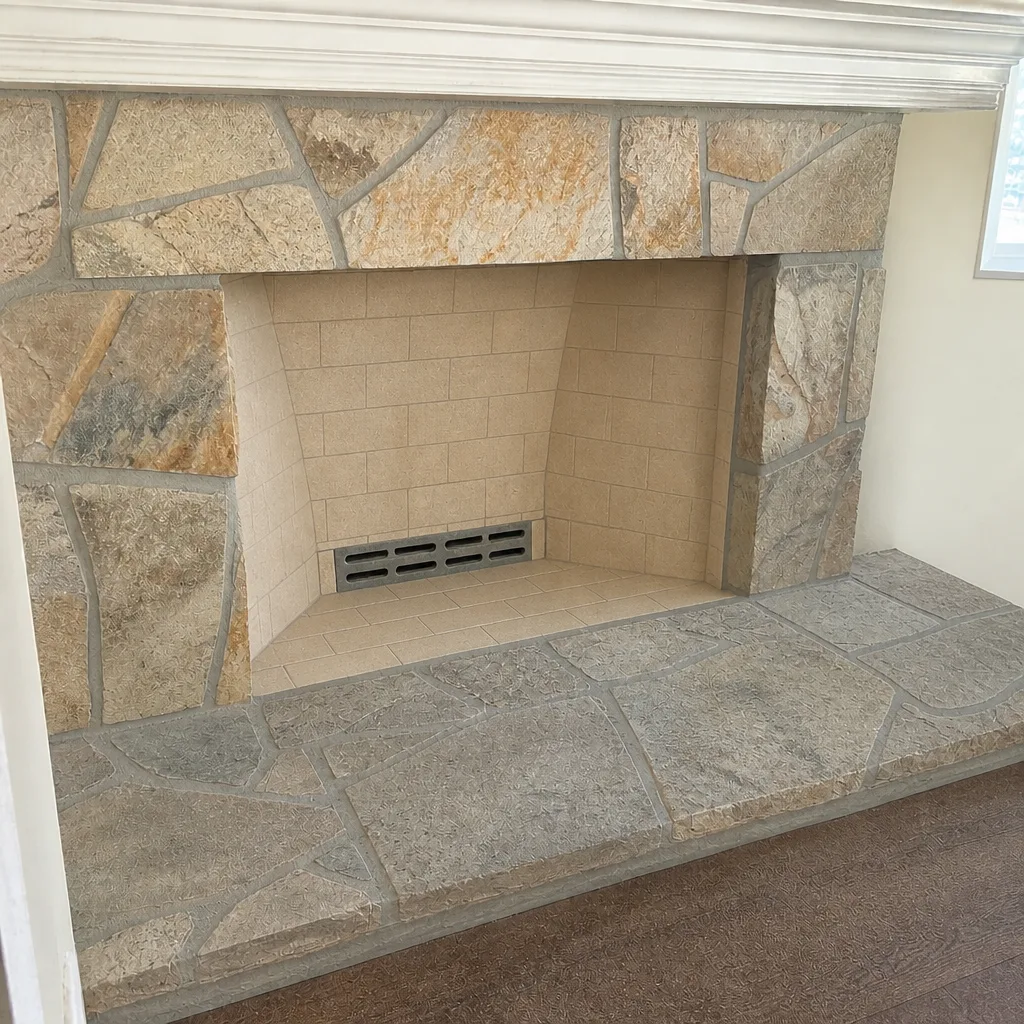
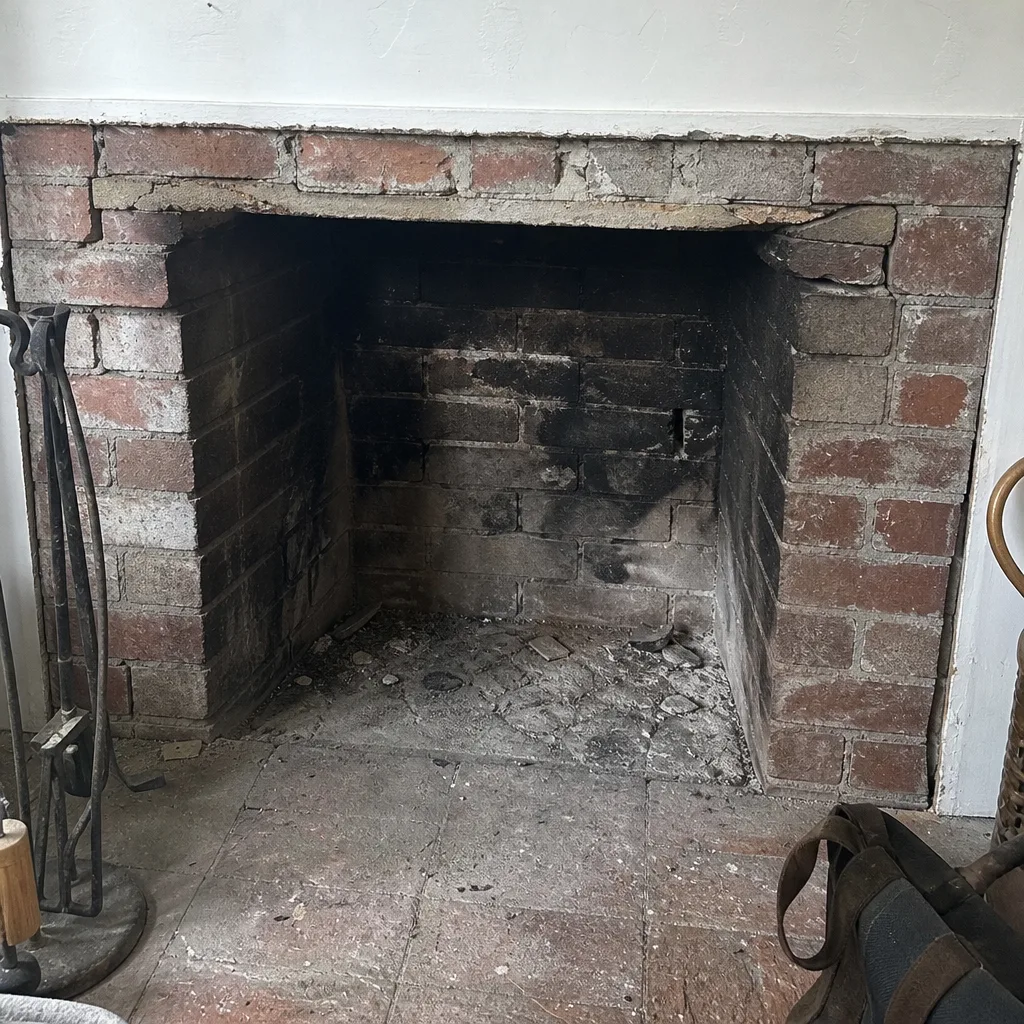
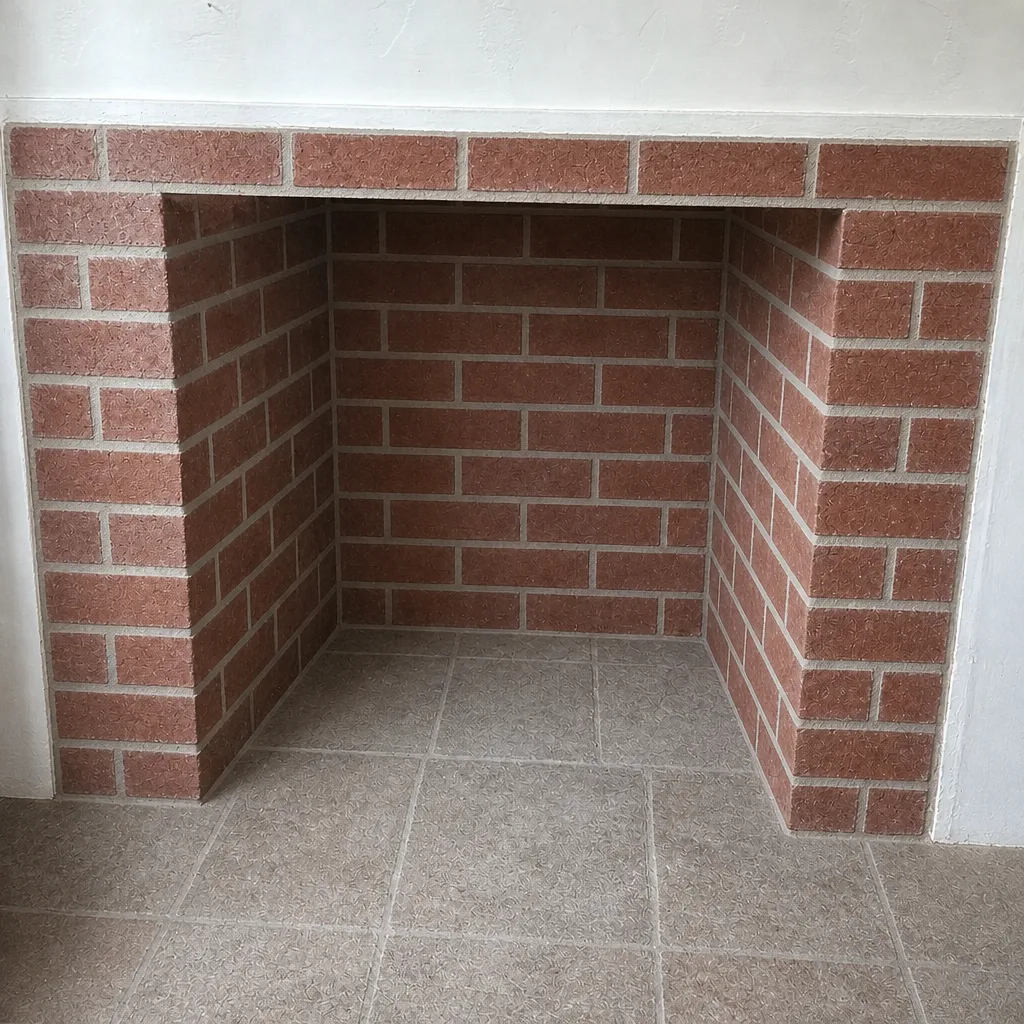
See the difference
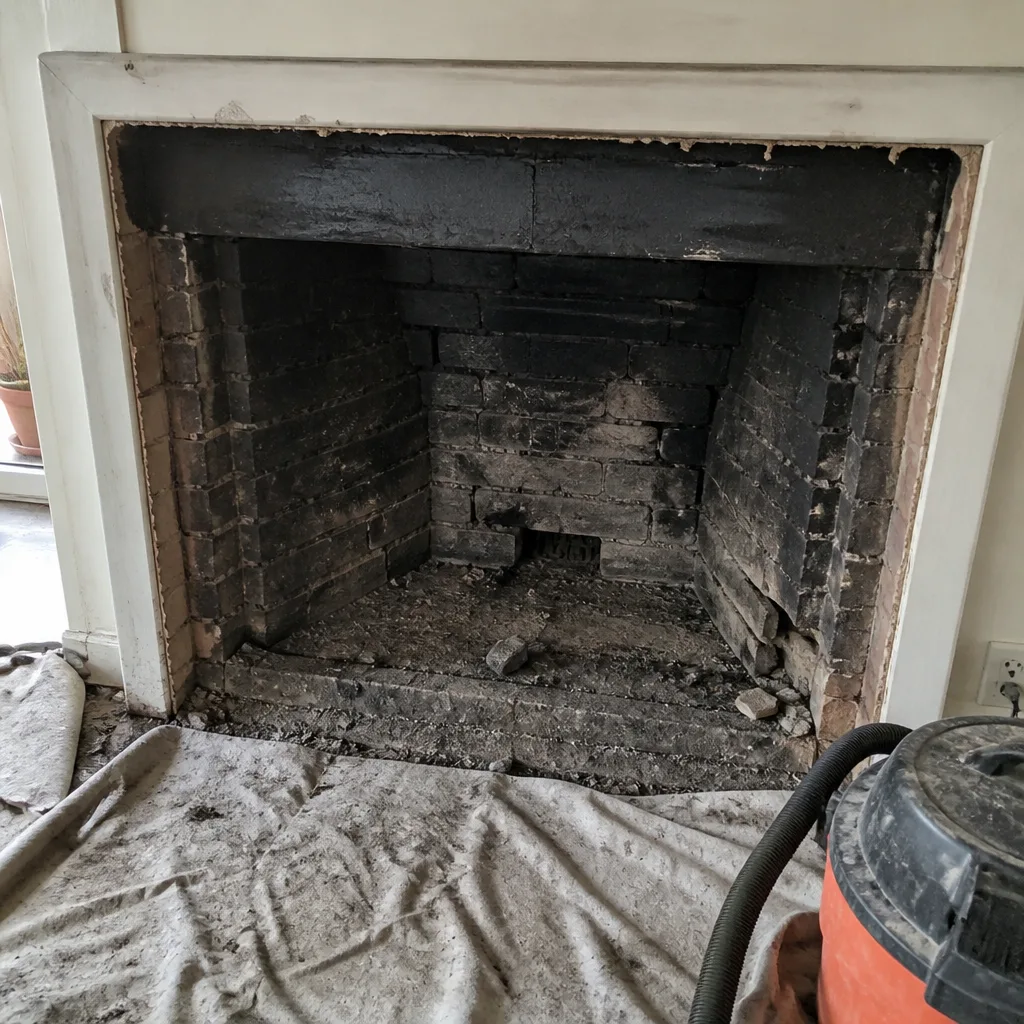 Before
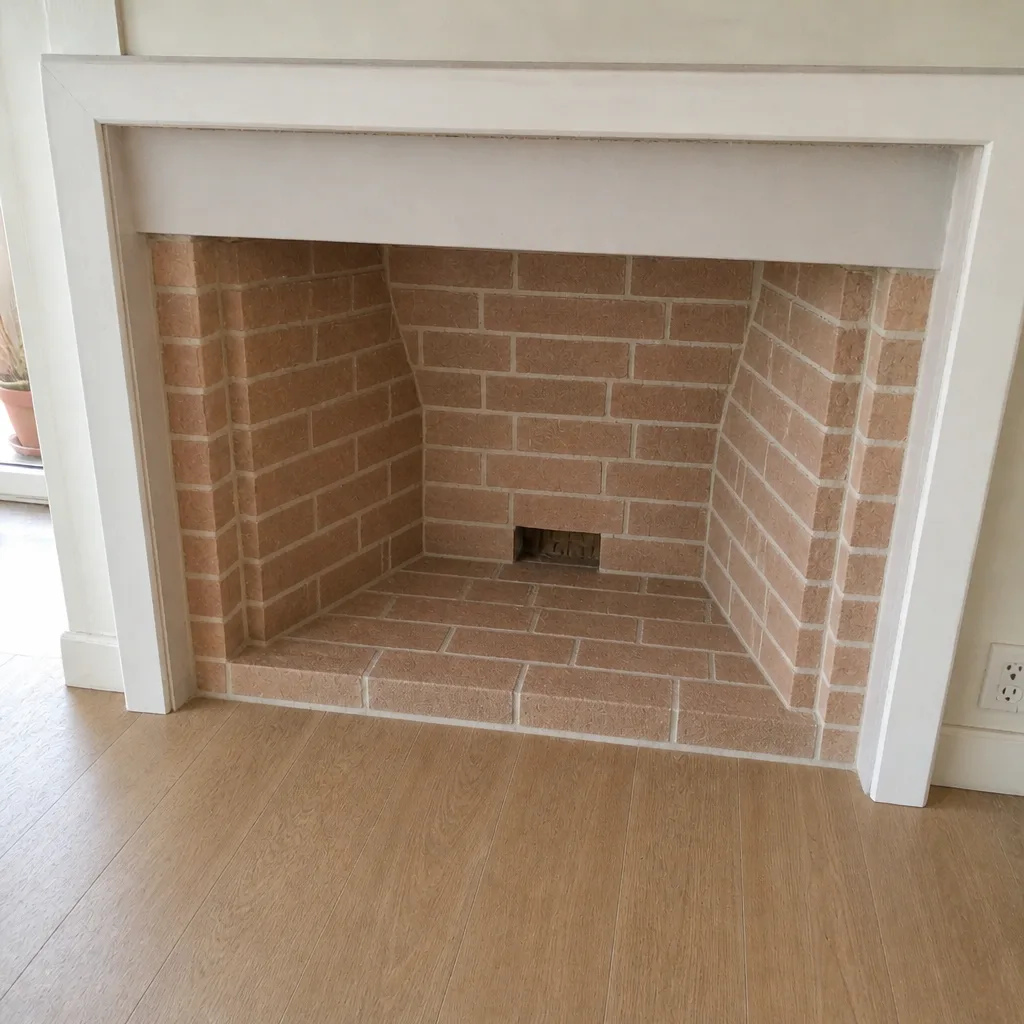 After
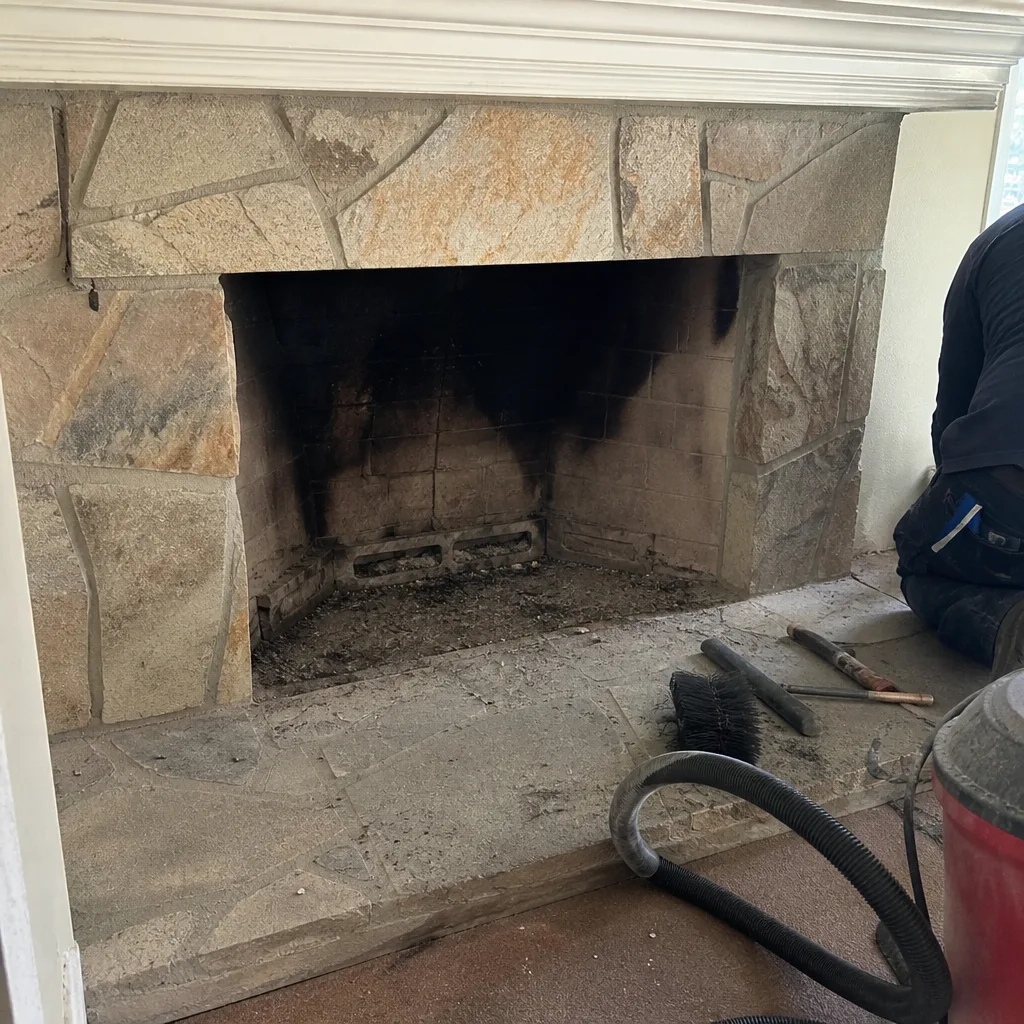 Before
 After
 Before
 After
When to Call a Professional
Call a professional when the fire won’t draw properly, when smoke enters the room, when you smell a strong creosote odor from the fireplace even when it’s not in use, when you see moisture staining on the wall or ceiling near the chimney, or when the crown or cap is visibly damaged. Also call when it’s been more than a year since the last inspection, even if the fireplace hasn’t been used much, because a visual inspection is the only reliable way to catch problems before they become repairs.
Chimney Sweep Dana Point offers free estimates in Dana Point. Call (844) 625-7380. We answer 24/7. Fast dispatch from 7am to 7pm, Sunday through Friday. Chimney Sweep Dana Point connects homeowners with independent local professionals who perform the work, so if a fireplace repair or flue work is needed, the local pro is licensed and insured as their state requires.
Frequently Asked Questions
A standard chimney sweep and Level 1 inspection in Dana Point typically runs $250 – $400. A full-scope visit that adds camera inspection and a photo report usually lands between $350 – $550, and repair work like crown resurfacing or a liner installation is priced separately based on scope. Call (844) 625-7380 for an exact quote – estimates are free.
Once a year is the working standard for any fireplace that’s used at all, even a few times per season. In Dana Point, the annual visit isn’t just about creosote: it’s the once-yearly chance to catch moisture damage, failed mortar, or a failing cap before it becomes structural. If you’ve gone more than a year, the first visit should include the full inspection scope. Call (844) 625-7380 to book.
Only if the existing liner is compromised through the full run or is incorrectly sized for the appliance. A liner that’s simply older, but intact and correctly sized, does not need replacing. The recommendation for a new liner should come with camera evidence of the failure and a sizing calculation you can look at. If you’ve been told you need a reline and haven’t seen the photo, call (844) 625-7380 for a second look.
Creosote builds up more slowly in a low-use fireplace, but moisture damage doesn’t wait: condensation on the flue wall and in the masonry continues year-round, so skipping a cleaning is also skipping the inspection that catches damage. In the worst case, an undiscovered liner crack or a heavy creosote buildup creates a real fire or carbon monoxide risk. The honest middle case is that small repairs get deferred until they become larger ones. Call (844) 625-7380 to schedule before the next burning season.
Not on Dana Point’s 1970s – 1990s housing stock, where prefabricated fireplaces, masonry flues, and retrofitted liners all fail in different ways. A sweep-only visit brushes the flue but doesn’t check the crown, cap, chase cover, or firebox condition, so the components most likely to fail on your chimney go uninspected. Ask for the full scope when you book.
Sometimes, yes. Small repairs like a cap replacement or minor damper work can often be handled the same day. Larger work like a liner installation or crown resurfacing usually needs a separate scheduled visit after the estimate is approved, because the materials and time required are different. Call (844) 625-7380 to talk through your situation and we’ll tell you which category it falls into.
The Bottom Line
Dana Point chimneys aren’t maintained on the same schedule as the rest of the country, because most fireplaces here are used a handful of times each year. That low use pattern hides damage rather than preventing it. What matters is annual inspection, photo evidence for every recommended repair, and materials that are built for the humidity cycle they’ll live in – DuraFlex liners, HeatShield resurfacing, and trade-grade caps from Gelco, Olympia Chimney, and Famco. Nothing should be recommended that you can’t see in a photo, and it’s always fine to defer work that’s rated for monitoring. Call (844) 625-7380 for a free estimate and a written scope you can review before anything is booked.
Written by the team at Chimney Sweep Dana Point.