
Last updated November 25, 2026
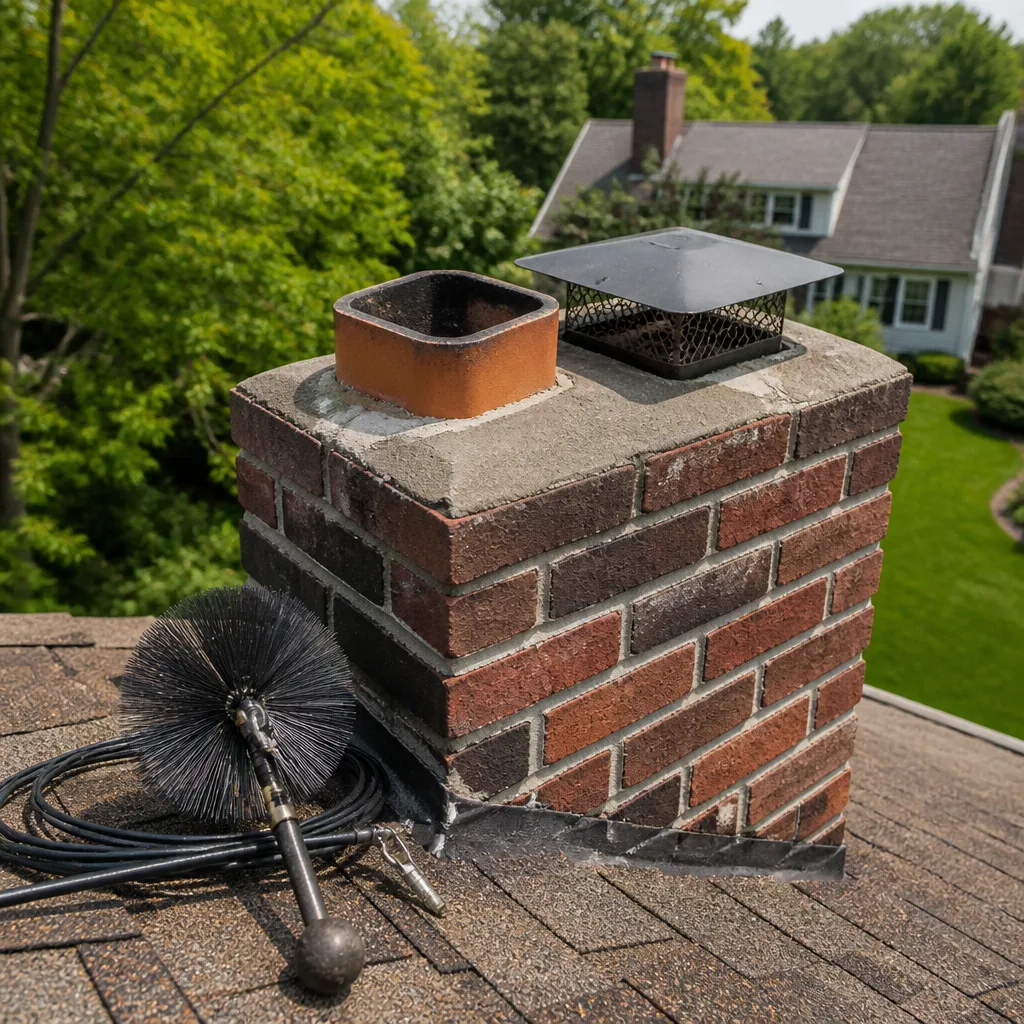 Sweep & inspection
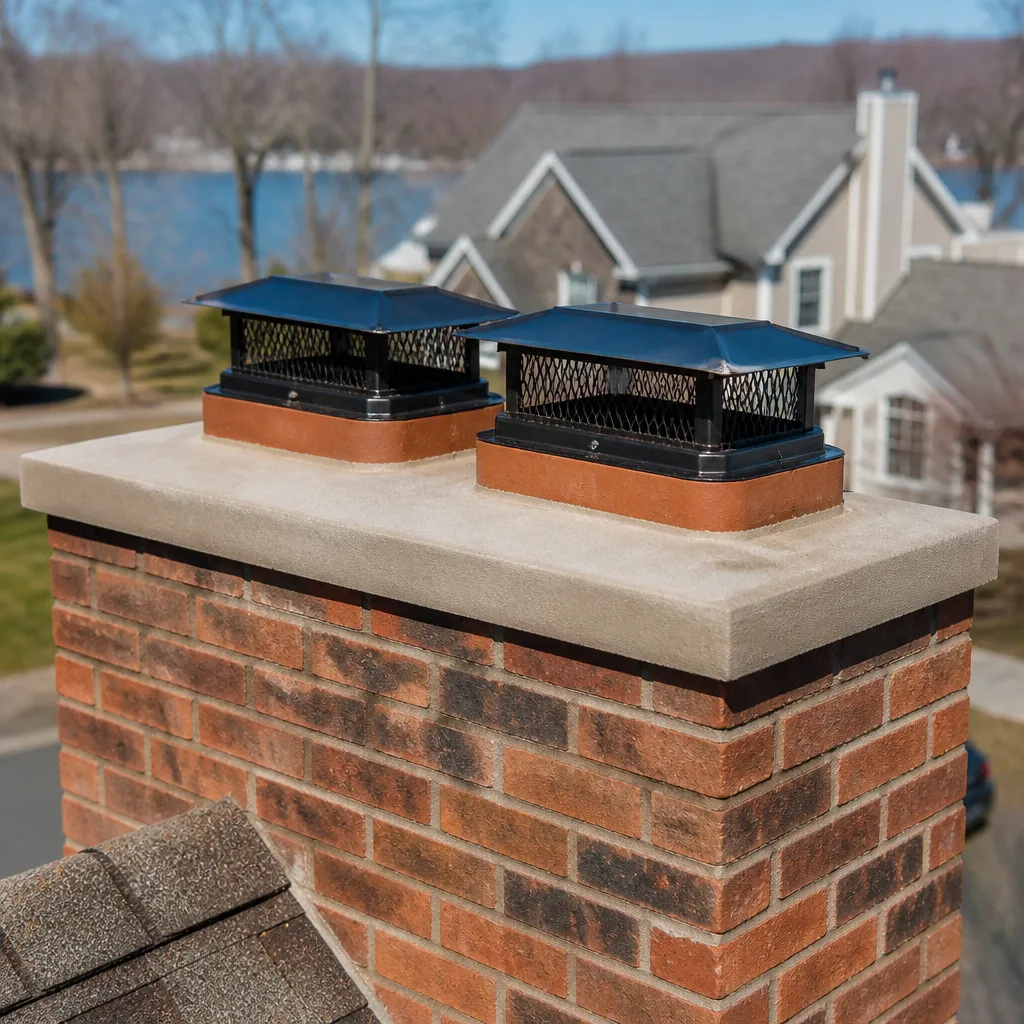 Caps & crowns
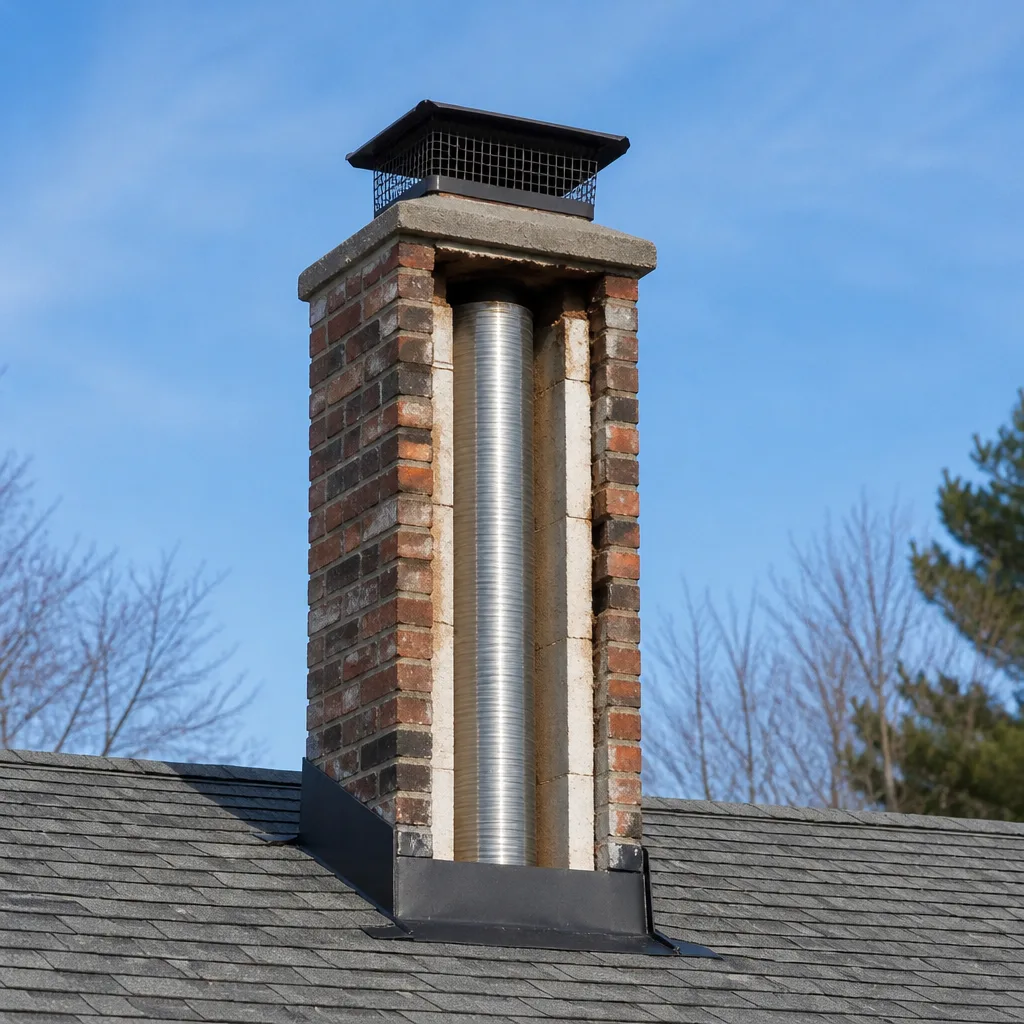 Flue relining
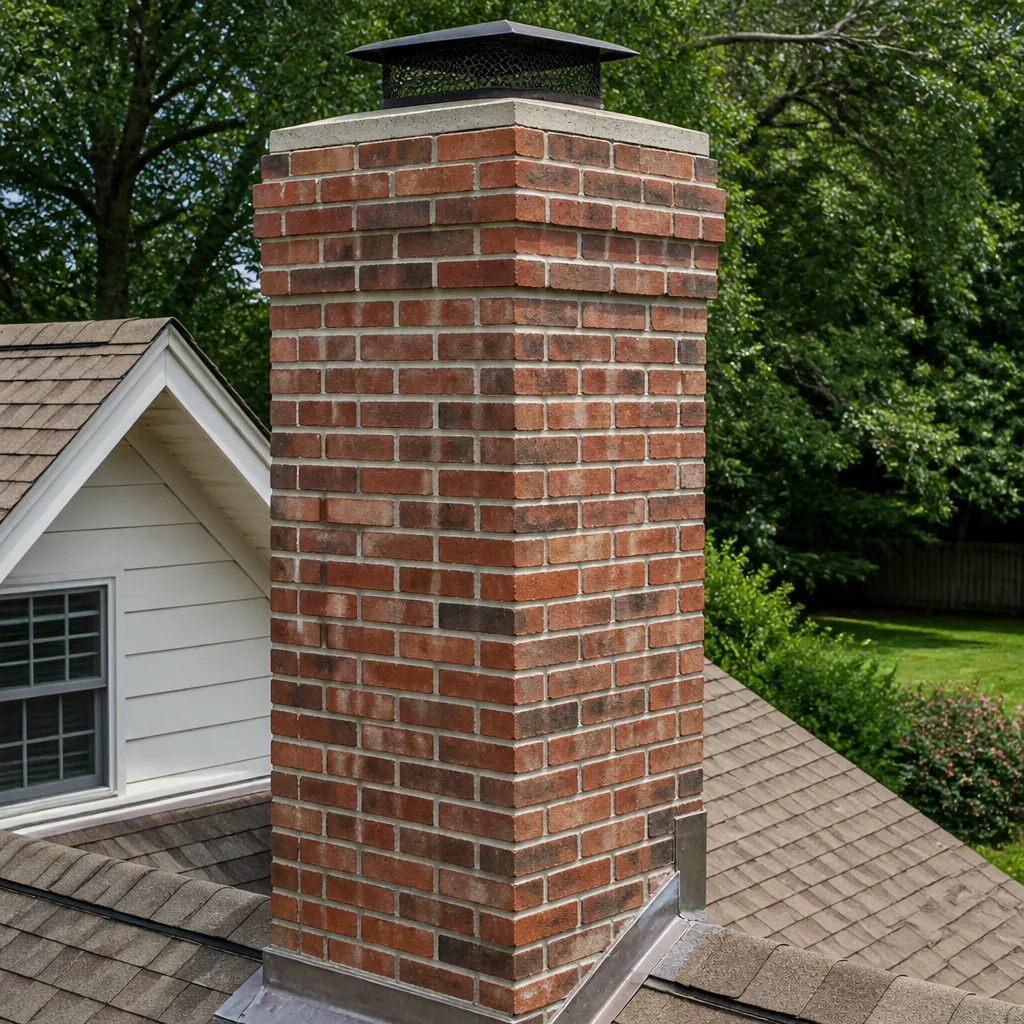 Masonry repair
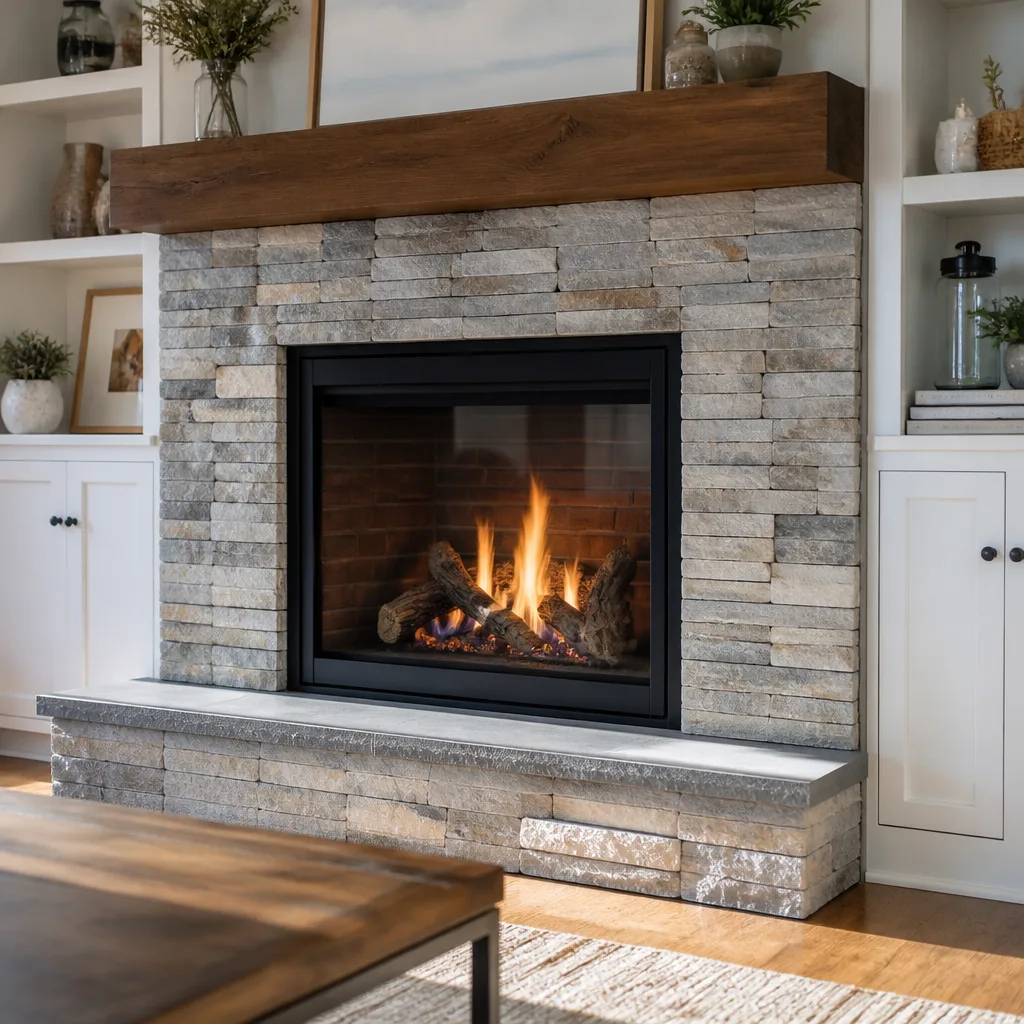 Gas fireplace service
Level 1 sweep and inspection to the NFPA 211 annual standard - flue, crown, cap, and flashing checked and photographed
Chimney sweep logs do not sweep chimneys. They loosen some creosote - which then falls where a brush and vacuum still have to collect it.
Chimney Sweep Troubleshooting in Dana Point: Common Problems and How to Fix Them
Most smoky fireplaces in Dana Point don’t need a cleaning. That’s the part homeowners find hardest to believe. A chimney sweep is a good answer to a blocked flue, but if your fireplace puffs smoke when the kitchen exhaust fan runs, or you smell last winter’s fire in August, a brush and a vacuum won’t touch the cause. Booking a sweep for a pressure imbalance or a cracked crown just spends money on the wrong fix and leaves the real problem in place. This guide maps symptoms to actual causes so you can tell the difference before you schedule anything. We’ll cover backdrafts, slow draws, odors, water intrusion, and when a Level 2 inspection is the honest first step instead of a cleaning.
Quick Answer
The most common chimney problems in Dana Point fall into three groups: airflow problems (smoke rolling back into the room, weak draw), water intrusion (stains, rust, crumbling mortar near the crown or flashing), and buildup problems (visible creosote, soot falling into the firebox). Each has a different fix, and only the third is solved by cleaning. Diagnosing which group you’re in takes fifteen minutes with a flashlight and a look at the roof line, or a proper inspection if you’d rather have it documented.
Styles & brands we work with
- Sweep & inspection
- Caps & crowns
- Flue relining
- Masonry repair
- Gas fireplace service
Table of Contents
- Symptom-to-Cause: Mapping What You See to What’s Wrong
- Why Your Fireplace Smokes When It Shouldn’t
- How Dana Point Wind Patterns Create Downdraft and False Blockage Symptoms
- Crown Cracks vs. Flashing Leaks vs. Cap Failures: Telling Them Apart
- When a Level 2 Inspection Is the Real First Step
- Creosote: What the Buildup Is Actually Telling You
- Trade-Grade Parts vs. Hardware-Store Fixes
- Fixes You Can Do Yourself vs. Fixes That Need a Pro
Symptom-to-Cause: Mapping What You See to What’s Wrong
Six symptoms account for most of what we get called out for. The table below is the fastest way to sort your situation into the right bucket before you spend money on the wrong service.
- Smoke rolls back into the room when the fire is lit. Usually a pressure imbalance, an undersized or damaged flue liner, or a blocked termination at the top. Rarely just soot.
- The fire burns but draws weakly, flames lazy and smoldering. Often a flue that’s too large for the firebox, an obstructed cap, or a wood-supply problem (wet wood, oversized logs).
- You smell smoke or a sour, ashy odor when no fire is burning. Typically negative pressure pulling air down the flue, or creosote that’s absorbed moisture and is off-gassing.
- Visible creosote on the flue walls – black, glassy, or flaky. A genuine buildup problem. This is a cleaning job, and depending on thickness, it may need a chemical treatment rather than a brush.
- Soot marks, rust stains, or water tracks on the firebox or smoke chamber. Water intrusion. The cause is at the top of the chimney, not the bottom.
- Crumbling mortar, loose bricks, or a white chalky bloom on the exterior. Moisture getting into the masonry, most often through a failed crown.
Match your symptom here and you’ll already know whether your chimney sweep appointment is the right call or whether you’re better served by an inspection that documents the actual cause. If two or more symptoms overlap, that usually means one root cause is producing multiple downstream effects, and the fix is simpler than it looks.
Why Your Fireplace Smokes When It Shouldn’t
A smoky fireplace is an airflow problem before it’s a cleaning problem. Chimneys rely on warm air rising through the flue to pull combustion gases up and out. When the pressure inside your house is lower than outside, or the flue is colder than the room, that flow reverses or stalls. The fire suffocates, smoke comes back into the room, and the whole thing feels broken.
Common triggers in Dana Point homes:
- Kitchen or bath exhaust fans running. A powerful exhaust fan can depressurize a house enough to pull air down the chimney. Let the fan finish and the smoking stops. No sweep will fix this.
- A cold flue on first light-up. Fireplaces in mild-winter climates sit unused for months. Pre-warming the flue with a rolled newspaper torch held near the damper (keeping your hands clear and the room ventilated) can restore the draft on a cold start.
- An open damper that stays open year-round. Airflow running down the flue carries moisture and smells into the house. Close it when there’s no fire.
- A flue that’s too short, too wide, or has too many bends. This is a design issue and often calls for a properly sized liner – something DuraFlex flexible liner systems can address in older or irregular flues.
- Nearby tall structures, trees, or a roof addition. Wind spilling over or around obstacles creates a downdraft at the chimney top. The cap design and the height of the flue matter here.
If your fire only smokes under one specific condition (fan on, certain wind direction, first fire of the season), write that condition down. It’s the single most useful piece of information you can hand an inspector, and it’s often the key to a fix that doesn’t involve tearing anything apart.
How Dana Point Wind Patterns Create Downdraft and False Blockage Symptoms
Dana Point homes sit on a bluff-and-canyon landscape where wind behaves differently street to street. Homes near the harbor and up on the ridgelines around Monarch Beach and Niguel Shores get a steady afternoon breeze off the water most of the year. That wind, when it comes across the top of a chimney at the wrong angle, pushes air straight down the flue. The homeowner sees smoke backing into the room and assumes there’s a blockage. Often there isn’t.
What actually happens: wind spilling over a roofline, a parapet, or a neighboring two-story wall creates a low-pressure zone at the chimney termination. Chimneys with a short flue or a flat, low cap sit right in that turbulence and pull smoke down. A proper cap with side louvers or a directional design breaks up the downdraft and restores the draw. That’s a chimney cap problem, not a cleaning problem, and it doesn’t resolve with a brush.
Two other local patterns worth knowing:
- Canyon wind funneling. Homes sited where a canyon mouth channels air upslope in the afternoon tend to get stronger and more erratic downdrafts than homes on flatter streets. Cap selection matters more here than in most of Orange County.
- Evening pressure reversals. As the afternoon sea breeze dies down, the pressure gradient across the house changes. A fireplace that draws fine at 4pm and smoky at 7pm is telling you the flue is marginal and the fix is usually cap-related or liner-sized, not a buildup issue.
If your smoke problem tracks with the time of day or wind direction, say so. It points toward a pressure or cap fix that will hold up, rather than a cleaning that will feel better for a month and then undo itself.
Crown Cracks vs. Flashing Leaks vs. Cap Failures: Telling Them Apart
Water intrusion is the number one cause of long-term chimney deterioration in Dana Point homes, and it’s almost always misdiagnosed at first glance. Three components fail in three different ways, and the fix for each is distinct. Knowing which one is letting water in saves you from being sold a repair you don’t need – or skipping one you do.
The crown
The crown is the concrete or mortar cap at the very top of the chimney that sheds water away from the masonry. It cracks over time as it goes through normal heating and cooling cycles, and once cracks open, water follows them straight into the flue walls. Signs of a failed crown: visible cracks wider than a hairline, a crown that’s pulling away from the flue, spalling concrete, or chalky white bloom on the exterior bricks below. Crown repair or resurfacing is a masonry job and often the root-cause fix when a homeowner has been chasing recurring stains.
The flashing
Flashing is the metal seal where the chimney meets the roofline. It fails when the metal lifts, when the sealant dries and cracks, or when the roof settles. Signs of a flashing failure: water stains on the ceiling near the chimney but not inside the firebox, dampness inside the attic (if you have access), or visible gaps where the metal meets the shingles. Flashing failures tend to show up during heavy rain. Crown failures show up as slow, spreading moisture damage inside the flue itself.
The cap
The cap is the screen-and-metal cover at the top of the flue. Its job is to keep rain, animals, and debris out – and, in windy spots, to break up downdrafts. Signs of a failed cap: a cap that’s missing, rusted through, or bent out of shape; animal droppings or nesting material inside the firebox; water coming straight down the flue with no sign of masonry staining. Caps are one of the cheapest fixes on this whole page, and they’re routinely skipped.
We install chimney caps and crowns in-house, which means you don’t get handed off to a roofing contractor to coordinate the flashing repair and back to a mason for the crown. That closed loop from inspection to repair is one reason Dana Point homeowners route these jobs through us rather than piecemeal.
When a Level 2 Inspection Is the Real First Step
A Level 2 inspection is a documented, camera-based examination of the entire chimney system – flue interior, joints, liner, smoke chamber, crown, cap, and the accessible portions of the exterior. It’s often the first step when a symptom points to something a cleaning can’t reach. A Level 1 (visual, from the firebox and roof) is the right call for routine maintenance. A Level 2 is the right call when:
- You’ve just bought the home and have no history of how the chimney was used
- An inspector or insurance adjuster has flagged something, and you want a second, documented assessment
- You’ve changed the appliance – added an insert, changed fuel type, or moved the firebox
- You’ve had a chimney fire (even a small one) or a seismic event
- You’re seeing water intrusion, smoke problems, or liner damage that doesn’t have an obvious cause
- You want to know, in writing and in photos, what shape the system is actually in
What a Level 2 inspection involves: a camera run through the flue to look at joints and liner condition, a close check of the smoke chamber and damper, an exterior check of the crown, cap, and flashing, and a written report with photos you keep. That documentation matters when you’re dealing with an insurance claim, a real-estate transaction, or a repair quote you want to sanity-check against actual conditions rather than a contractor’s opinion.
The reason this matters in Dana Point specifically: an older home with a clay tile flue and a cracked crown will often read as “needs a full reline” until someone actually looks inside. A camera inspection separates real liner damage from staining, real crown failure from cosmetic wear. If you’ve been quoted thousands for a liner and you have no camera evidence, ask for it before you sign. If the liner is fine and only the crown is failing, the honest fix is often much smaller.
Creosote: What the Buildup Is Actually Telling You
Creosote is the byproduct of incomplete combustion. It builds up on flue walls as a black, brown, or glazed coating, and its thickness and texture tell you how the fireplace has been used. Thin, dry, flaky creosote means the fire was burning hot and clean but not often swept. Thick, glassy, tar-like creosote (the type that looks like melted plastic) means the fire was running cool and smoky for a long time – wet wood, closed damper, restricted air. That’s the kind of creosote that burns hot when it finally ignites.
We’re direct about this because it’s the one symptom where the fix is unambiguous: a chimney with heavy creosote needs to be cleaned before it’s used again, and depending on the texture, the technician may need to chemically treat the flue rather than brush it. A standard sweep won’t remove glazed creosote, and a technician who tries and hands you a clean-looking firebox has not solved the problem.
What creosote buildup looks like at the three stages:
- Stage 1 – soot and light flaky deposits. A standard sweep handles it. Brush and vacuum, done.
- Stage 2 – hard, crusty deposits. May need a stronger brush and some elbow work. Still a cleaning job, but block off more time.
- Stage 3 – glazed, tar-like, or puffy. A chemical treatment is the right approach, because brushing makes it smear and hardens the surface. Rare at this severity in Dana Point because few homes burn daily through a long heating season, but we do see it in homes that burn daily in winter with poorly seasoned wood.
What you can do about it going forward: burn seasoned hardwood, give the fire enough air, and don’t let a slow smoldering fire be your default. Small habits change what builds up on the flue.
Trade-Grade Parts vs. Hardware-Store Fixes
The parts most homeowners buy at a big-box store are not the same parts a chimney professional installs, and the difference shows up in two to five years. Hardware-store caps are typically galvanized steel or powder-coated aluminum that rust through or bend in wind. Stainless caps made by chimney-specific manufacturers – Olympia Chimney and Copperfield both make caps and termination hardware we install – hold their shape and finish much longer. Same goes for liner systems: a flexible liner sized and installed correctly for the flue is a fundamentally different product from a generic “universal fit” kit.
Where we lean into brand specificity rather than blanket quality claims:
- DuraFlex flexible liner systems – the right call for older and irregular flues where a rigid liner doesn’t fit cleanly. It’s a professional-trade product, not something a general contractor sources.
- HeatShield – a chimney resurfacing system for smoke chambers and flue damage that doesn’t require a full reline. It’s product-specific training to apply it correctly, and many local sweeps either don’t carry it or outsource the work.
- Famco and Copperfield – caps, dampers, and masonry-anchored components that hold up to wind exposure better than the entry-level hardware.
- Gelco – crown repair and masonry sealing products used for crown restoration.
The reason we carry these specific lines is simple: the fix has to outlast the diagnosis. A crown that gets patched with caulk looks fine for one season, then fails again. A crown resurfaced with the right product sheds water for years. Same principle with caps – a $30 box-store cap on a Dana Point chimney in afternoon wind is going to rust and bend. The right cap, properly anchored, is the end of that problem.
Fixes You Can Do Yourself vs. Fixes That Need a Pro
Some chimney issues are genuinely owner-fixable, and some aren’t – and the line between them is mostly about what’s above the roofline and what’s inside the flue. Here’s how we draw it.
Reasonable same-day homeowner fixes
- Close the damper when there’s no fire. Stops the year-round air leak and cuts the sour smell.
- Switch to seasoned firewood. Under 20 percent moisture content is the working threshold. Wet wood is a creosote factory.
- Pre-warm the flue on first light-up. Restores draft on a cold start and prevents the initial smoke roll.
- Draw the fire with the top of the firebox open a crack. Sometimes a small adjustment to the fire position and the air controls changes the draw enough to solve the symptom.
- Run the kitchen exhaust fan after the fire is out. Reduces pressure imbalance inside the house.
- Clear leaves and debris from the firebox and damper area with a shop vac. Doesn’t fix anything but reduces nuisance smells between seasons.
Fixes that need a professional
- Crown repair or resurfacing – requires masonry work and product-specific application, usually on a roof or ladder.
- Cap replacement – roof-level work, and getting the sizing and anchoring wrong causes more problems.
- Liner repair or reline – high-tension mechanical work inside the flue, not a homeowner task.
- Smoke chamber resurfacing – HeatShield and similar systems require training and correct prep.
- Creosote removal at stage 2 or 3 – chemical treatment or aggressive brushing without proper containment spreads soot through the house.
- Any camera inspection – the value is in the documentation, not the tool.
A quick safety note before you climb anything: chimney work involves roof and ladder access and, in some cases, pressurizing or modifying the flue system. A fall from a roof causes catastrophic injury, and a misinstalled liner can cause carbon monoxide to vent into the living space. We recommend a trained chimney professional for anything above the damper. When you’re ready to move from symptom to fix, chimney repair starts with a documented assessment so the recommendation matches what’s actually wrong.
Common Mistakes to Avoid
- Booking a cleaning for a smoking problem that isn’t a buildup problem. A smoky fireplace caused by pressure imbalance gets no better after a sweep. The two symptoms look similar from the couch but get fixed completely differently.
- Ignoring a cracked crown and hoping it’s cosmetic. A hairline crown crack lets water straight into the flue wall every rain. Over a few seasons that becomes masonry damage and eventually a liner replacement. Crown repair is a small job when it’s caught early and a big one when it’s not.
- Buying a box-store cap to “hold you over.” Galvanized caps rust through in a season or two in Dana Point, and a bent or loose cap can rattle free in wind. The right cap from Olympia Chimney or Copperfield costs more and ends the problem.
- Treating glazed creosote with a brush. Brushing stage 3 creosote smears it and makes the surface harder to remove. It needs chemical treatment, not more scrubbing.
- Skipping the Level 2 inspection after an insurance flag. A repair quote with no camera evidence behind it is a guess. A documented Level 2 tells you what’s actually wrong and gives you a written record.
- Assuming a “clean” firebox means the flue is clean. The firebox is what you can see. The liner, the smoke chamber, and the joint condition are what actually matters, and none of those are visible without a camera.
- Letting a fireplace sit unused for years and then lighting it without a look. Animals nest, caps fail, and dampers seize. Dana Point fireplaces often sit from April to November and the first fire of the season is when the problems show up.
See the difference
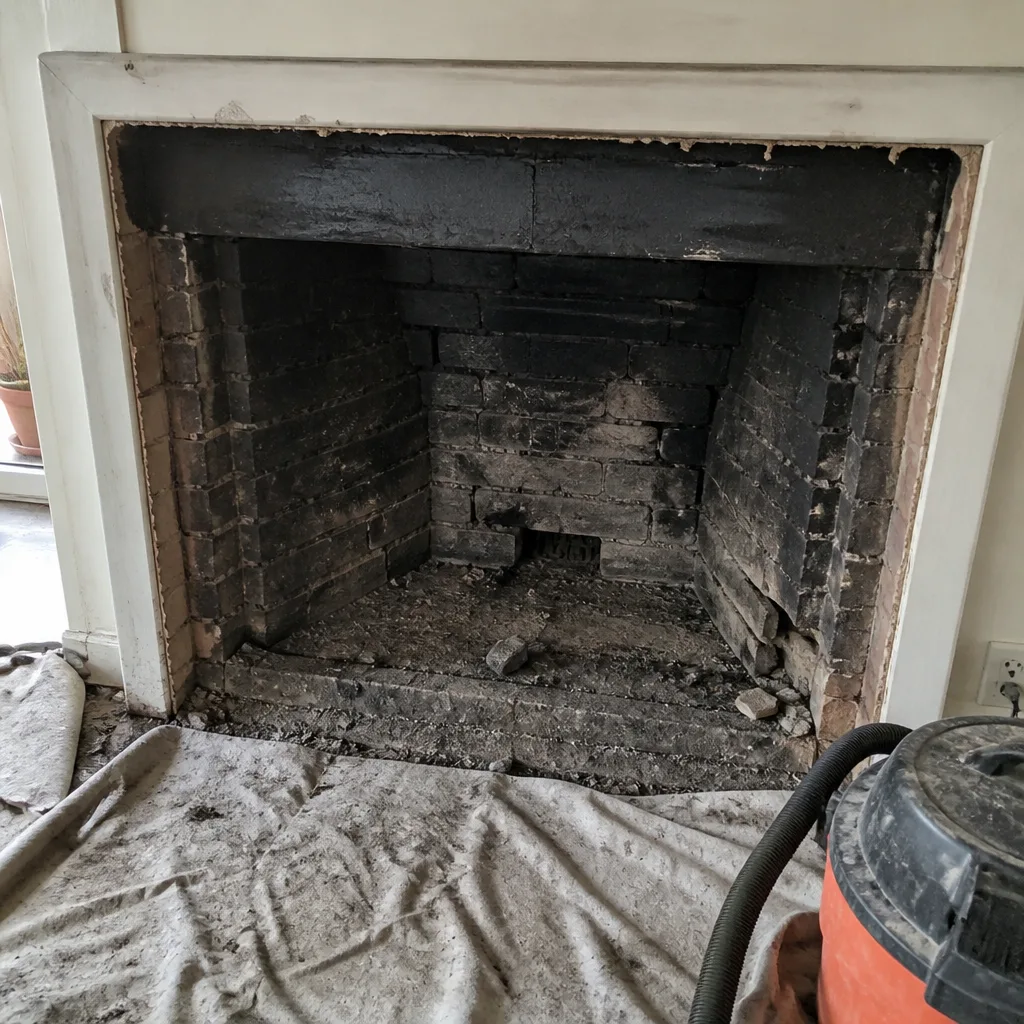 Before
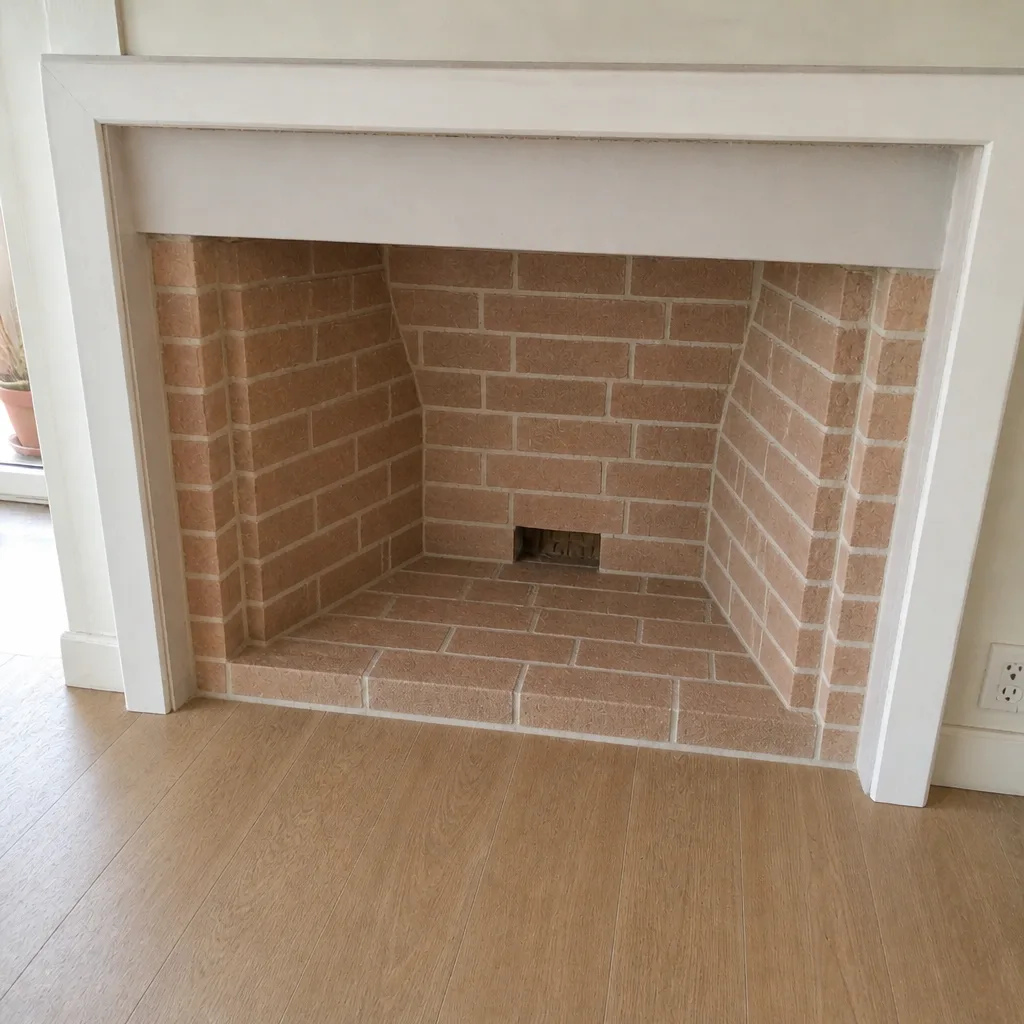 After
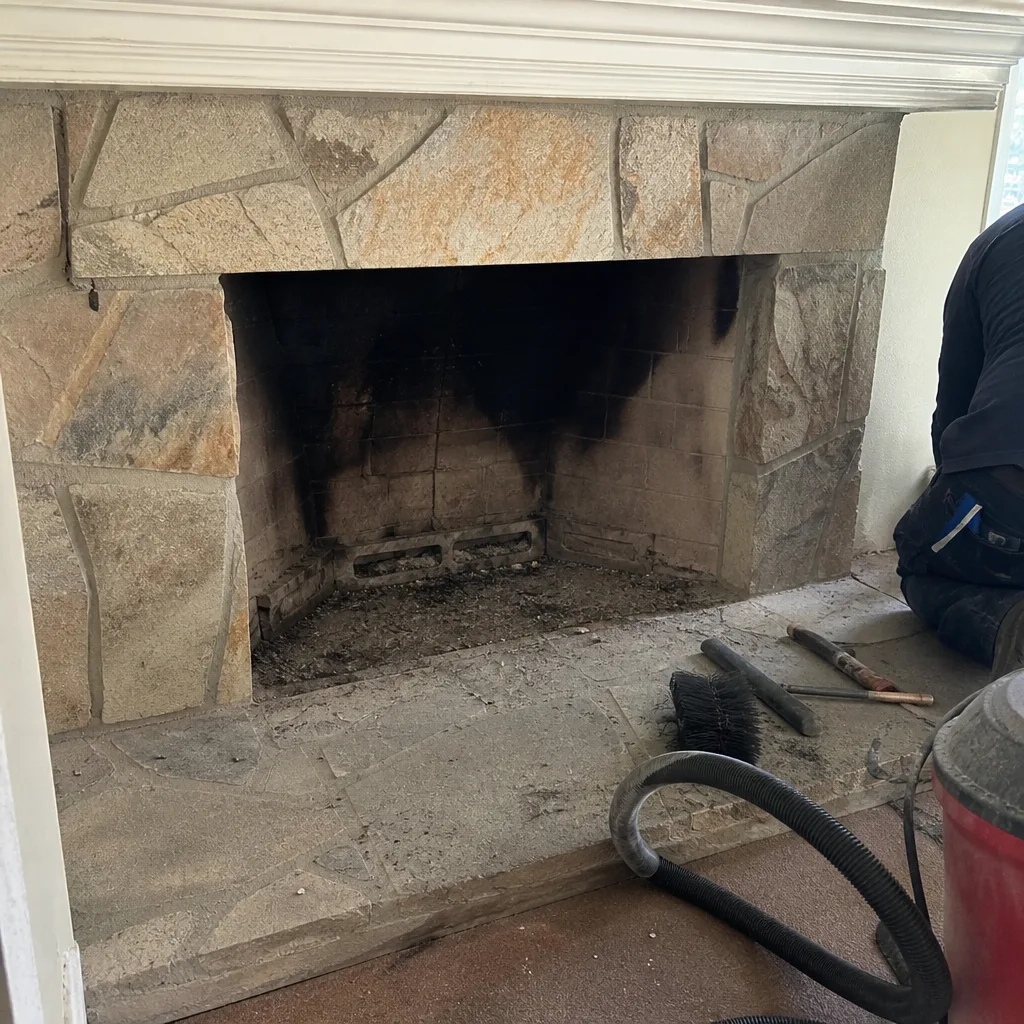 Before
 After
 Before
 After
When to Call a Professional
Call a professional for anything above the damper line, anything involving a ladder or roof access, any quote that involves a liner or a masonry repair, and any situation with overlapping symptoms – smoke plus water intrusion, or odors plus visible creosote. A professional call today is often a cheaper call than the same problem six months from now. Chimney Sweep Dana Point offers free estimates in Dana Point – call (844) 625-7380. We answer 24/7. Fast dispatch from 7am to 7pm, Sunday through Friday. Our technicians have up to 11 years of experience, and every recommendation comes with the camera evidence behind it so you can see exactly what we see.
If the honest answer is that your chimney doesn’t need work yet, we’ll say so. Some of what gets quoted as urgent can safely wait a season. Some can’t. Knowing which is which is the point of showing you the inspection.
Frequently Asked Questions
Once a year is the working rule for any fireplace that gets regular use during the cooler months, roughly October through March in Dana Point. If you only burn a handful of times a season, an inspection each fall is enough and a full sweep may not be needed every year. If you burn daily through winter, annual cleaning is a floor, not a ceiling.
Two things, mainly. Creosote builds up and eventually reaches a stage where it can ignite into a chimney fire, which damages the liner and can spread into the structure. And the slower risk is water intrusion through a failing crown or cap, which over years turns into masonry and liner damage that costs far more to fix than a sweep would have. A skipped sweep is a small saving now and a larger bill later.
If the smoke only appears when the kitchen exhaust fan is on, or only on the first fire of the season, try closing the damper, pre-warming the flue, and running the fan after the fire is out. Those are pressure-related and often solve with habit changes. If the smoke is consistent, or tracks with wind direction, or appears with visible creosote on the flue walls, call a professional – those are structural symptoms, not user-error symptoms.
Not always, and that’s the answer most homeowners need to hear. A liner is needed when the existing clay tile is cracked, spalling, or missing joints, or when the flue is undersized for the fireplace. A camera inspection shows you whether that’s actually the case. If the liner is intact and only the crown is failing, the fix is the crown, not the liner. Ask for the camera footage and the written report before you commit to either.
Two common reasons. One, negative pressure pulls air down the flue on hot days, carrying old creosote and soot odors into the house. Two, the creosote itself has absorbed moisture from the air and is off-gassing. A proper cleaning removes the source of the smell, and closing the damper when there’s no fire cuts the airflow that carries it in. If the smell persists after a cleaning, the crown or the cap is worth checking.
A Level 2 inspection is a full camera examination of the flue interior plus a visual check of the crown, cap, flashing, firebox, smoke chamber, and accessible exterior. It produces a written report with photos. It’s the right first step when you’ve been told something’s wrong and want to see the evidence, when you’ve bought a home with an unknown chimney history, or when the symptoms don’t point to an obvious cleaning fix. Ask for the photos as part of the quote – any reputable inspection includes them.
The Bottom Line
Most chimney problems in Dana Point aren’t cleaning problems, and the fastest way to burn money is to keep booking sweeps for symptoms that need a cap upgrade, a crown repair, or a pressure-mitigation fix. Match your symptom to a cause first, get a camera inspection if the cause isn’t clear, and let the evidence drive the quote rather than the other way around. The trade-grade parts – DuraFlex, HeatShield, Olympia Chimney, Famco, Copperfield, Gelco – exist because the cheap version fails and the good version lasts. Call (844) 625-7380 for a free estimate. We answer 24/7. Fast dispatch from 7am to 7pm, Sunday through Friday.
Contact Us
If you’re in Dana Point and want the actual diagnosis before the cleaning, call (844) 625-7380 for a free estimate. We start with an inspection, show you what we find, and give you a written quote so the fix matches the actual problem. From Chimney Sweep Dana Point through fireplace repair, crown work, cap installation, and camera-based diagnostics, we handle the full job without handing you off to a second contractor. We answer 24/7. Fast dispatch from 7am to 7pm, Sunday through Friday.
Written by the team at Chimney Sweep Dana Point.