
Last updated November 25, 2026
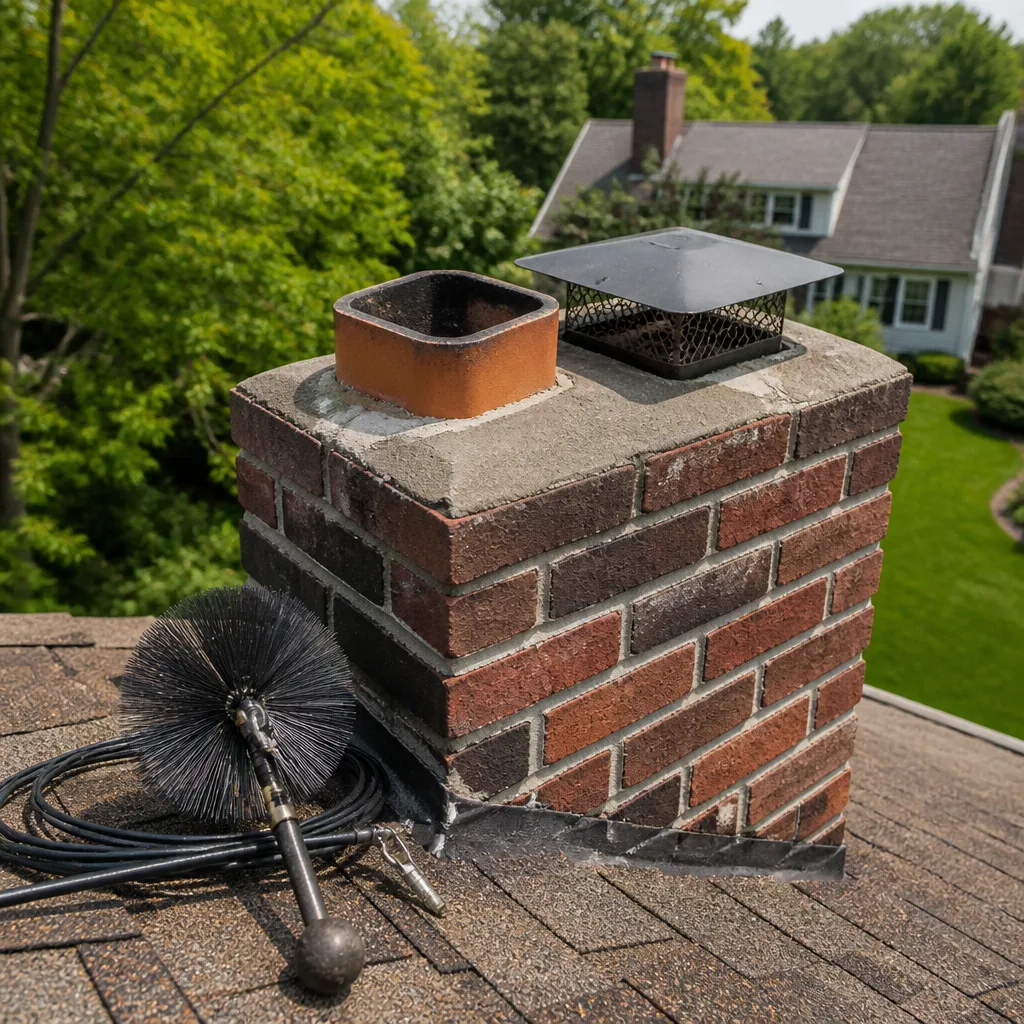 Sweep & inspection
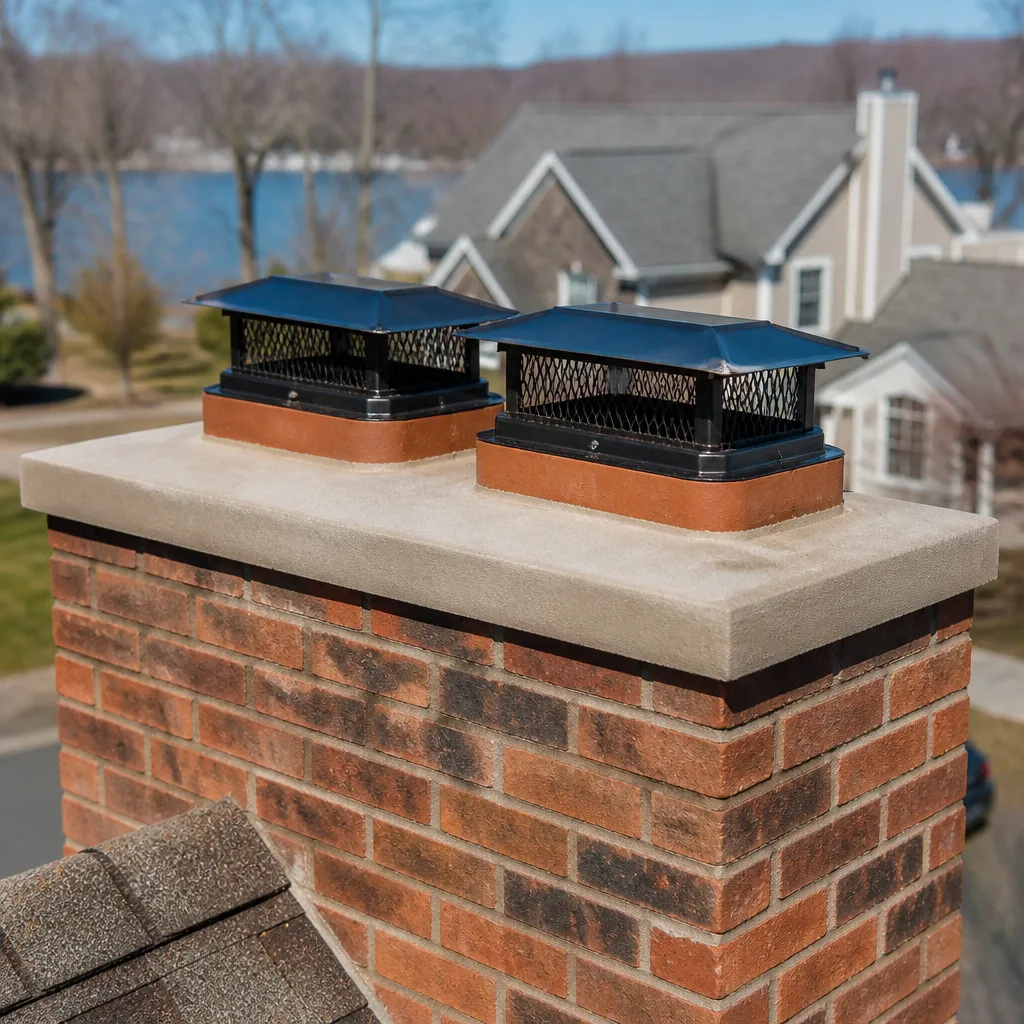 Caps & crowns
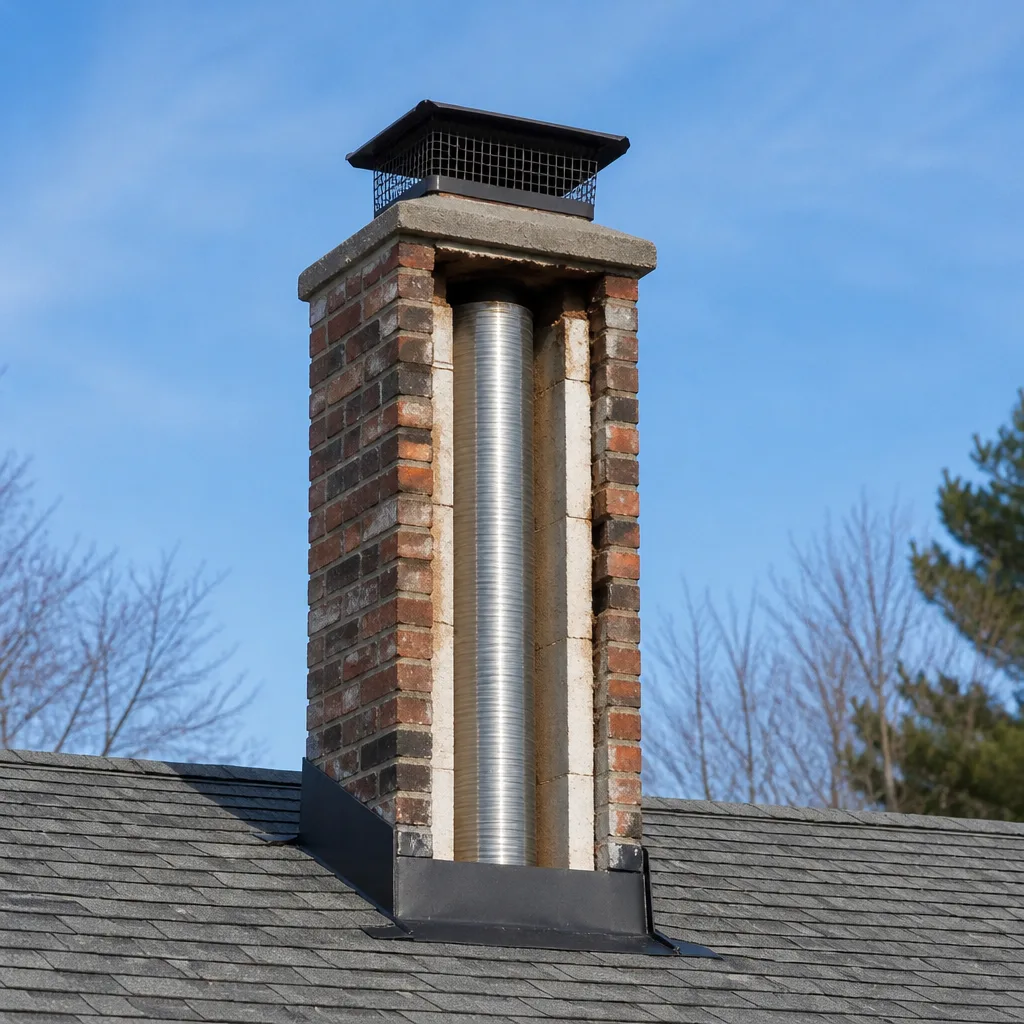 Flue relining
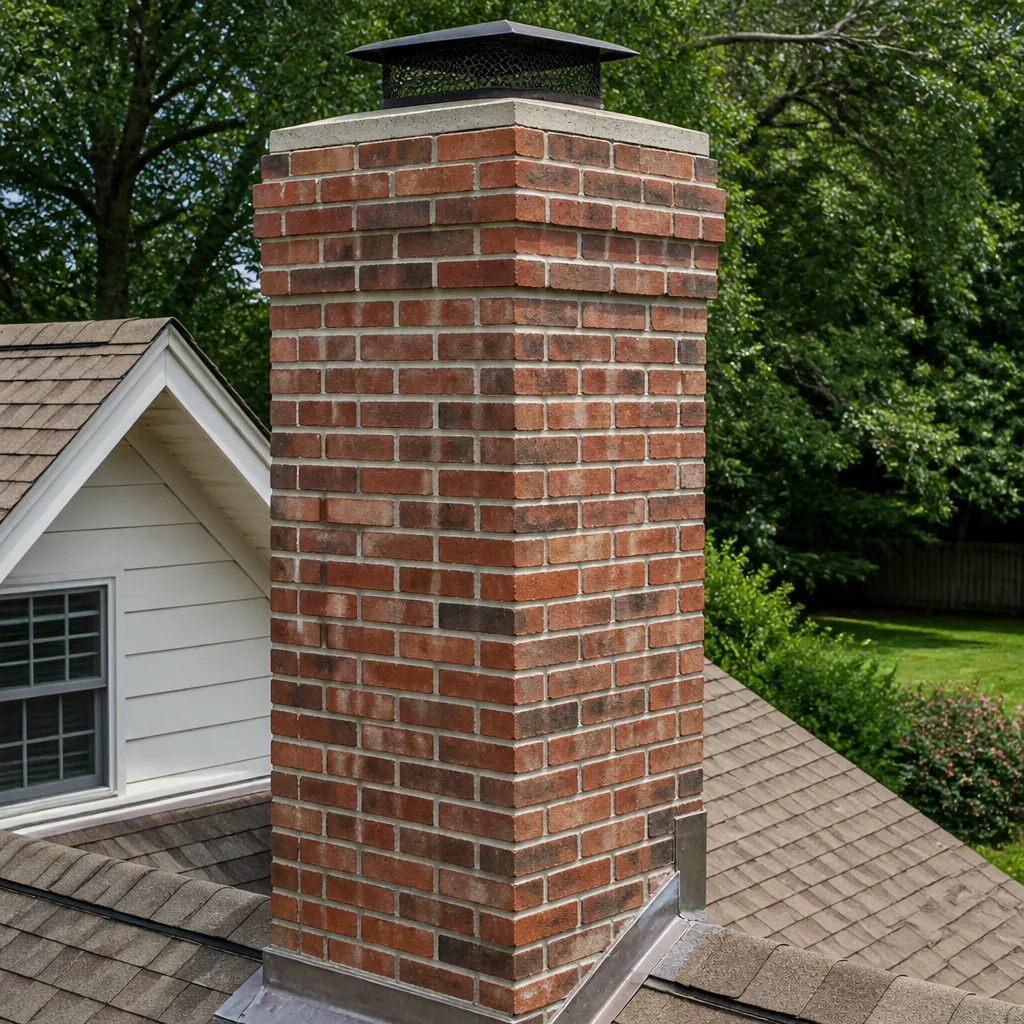 Masonry repair
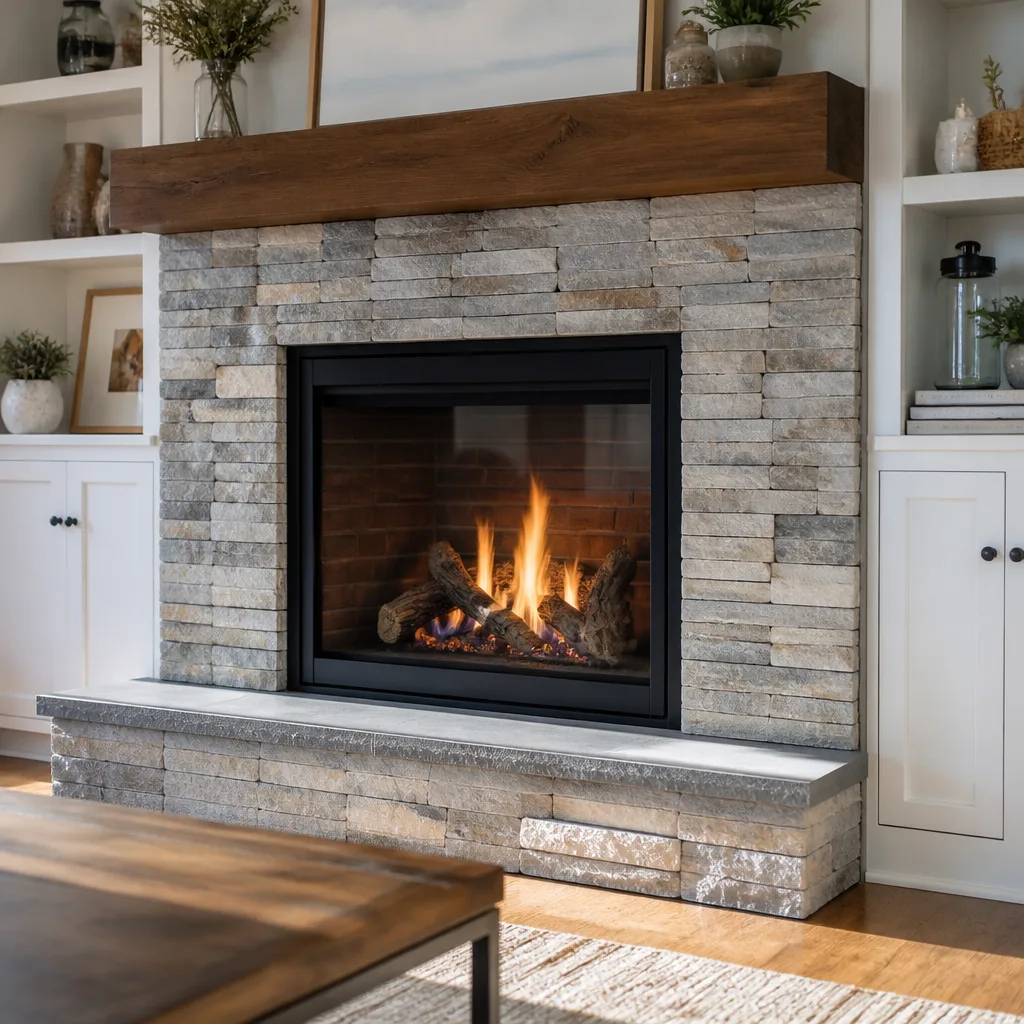 Gas fireplace service
Level 1 sweep and inspection to the NFPA 211 annual standard - flue, crown, cap, and flashing checked and photographed
Chimney sweep logs do not sweep chimneys. They loosen some creosote - which then falls where a brush and vacuum still have to collect it.
Chimney Cleaning Permits, Codes & Inspections in Dana Point, CA: What You Need to Know
Here’s the part most homeowners get backwards: the cleaning itself is almost never the thing that needs a permit. It’s what the cleaning uncovers that does. A routine sweep in Dana Point doesn’t require a city permit, but the moment a technician recommends relining a flue, rebuilding a crown, or swapping a damper assembly, you’ve crossed a line into permitted work in most of Orange County. And once that line gets crossed without the paperwork, it tends to resurface at the worst possible moment: during a home sale, an insurance claim, or a code inspection after a chimney fire. This guide maps where that line sits, how California’s Title 24 fits in, what a Level 2 inspection actually covers, and how to check whether a Dana Point home’s prior chimney work was ever signed off.
Quick Answer
Routine chimney cleaning in Dana Point does not require a permit, but most chimney repair and relining work does. In Orange County, relining a flue, rebuilding a chimney crown or chase, and installing or replacing a fireplace insert typically require a building permit, while sweeping, cap replacement, and minor cosmetic repairs usually qualify as maintenance. A Level 2 inspection is required by code during a real estate transaction and after a chimney fire or other event that may have caused internal damage.
Styles & brands we work with
- Sweep & inspection
- Caps & crowns
- Flue relining
- Masonry repair
- Gas fireplace service
Table of Contents
- Where the Permit Line Sits: Maintenance vs. Construction
- What Triggers a Permit in Orange County
- How California’s Title 24 Affects Fireplaces and Inserts
- What a Level 2 Inspection Covers and When It’s Required
- How to Pull Permit Records on a Dana Point Home
- What “Code Compliant” Means in Older Dana Point Homes
- Dana Point’s Climate and What It Does to Chimneys
- Closing the Loop: Inspection Through Repair
Where the Permit Line Sits: Maintenance vs. Construction
The simplest way to think about permits: if the work changes the structure, the firebox geometry, the flue’s internal pathway, or the fuel-burning appliance itself, it usually needs a permit. If the work only removes creosote, replaces a cap, or restores a surface without altering what’s underneath, it usually doesn’t.
Here’s how that split plays out in practice:
- No permit typically required: routine sweeping, cap replacement (drop-in style), minor mortar repair at the firebox, screen and damper hardware swaps, and cosmetic cleaning.
- Permit typically required: relining a flue with a flexible or rigid liner system, rebuilding a chimney crown, pouring a new chase top, structural masonry repair, and installing a new fireplace insert or wood stove.
- Depends on scope: resurfacing a damaged flue with a cast-in-place product like HeatShield. If it’s addressing a cracked flue lining that would otherwise fail an inspection, treat it as permitted work and ask the contractor to confirm with the local building department.
We tell Dana Point homeowners to ask one question before booking anything: “Will this job need a permit, and will you pull it?” A contractor who hesitates is telling you something. Sweeping is one thing. Structural flue work is another, and the two live in different regulatory worlds even though they show up on the same estimate.
For a plain-language overview of the routine side of the work, our chimney sweep page covers what a standard cleaning actually involves. The permit conversation is about everything that comes after.
What Triggers a Permit in Orange County
Orange County cities each run their own building department, and Dana Point is no exception. That said, the chimney-related triggers are consistent enough that you can plan around them. Most of these requests route through the local building authority, and inspectors apply similar reasoning: is the system that contains fire and venting changing in a way that affects safety?
Here’s the general pattern:
- Relining a flue. Installing a flexible stainless liner (DuraFlex is the professional-trade standard many of us work with) changes the flue’s internal pathway and gas-tightness. Most jurisdictions want a permit and a final inspection.
- Rebuilding a crown or chase. The crown is the concrete or masonry cap at the top of the chimney that sheds water away from the flue. Rebuilding it is structural work and usually requires a permit, even though a cap (the metal or mesh top) does not.
- Installing a new insert or stove. A new fuel-burning appliance requires a permit in essentially every California jurisdiction. The venting, clearances, and hearth protection all have to be verified.
- Structural masonry repair. Repointing is usually maintenance. Rebuilding a section of chimney stack or repairing a lean is not.
- Converting from wood to gas (or vice versa). Changing the fuel type nearly always requires a permit and often a new venting assessment.
If you’re ever unsure, a five-minute call to the Dana Point building department will tell you more than any contractor’s opinion. The permit process exists to protect the next owner and your insurer as much as you. And after a reline is complete, a camera inspection and photo report shows exactly what’s inside the flue. That’s the record you want in a folder.
When a repair does go beyond the routine, our chimney repair page walks through the scope of work, from crown rebuilds to liner installation.
How California’s Title 24 Affects Fireplaces and Inserts
Title 24 is California’s energy code, and it shapes anything that changes how a home vents heat, including fireplaces. Two practical effects matter here.
First, new fireplaces and inserts have specific efficiency and air-quality requirements under Title 24 and the related state rules. An open, wood-burning masonry fireplace isn’t something you can add to a new home in California without meeting these standards, and even retrofit inserts must be certified to meet EPA emissions limits. If a contractor offers to install a non-certified appliance, walk away. It won’t pass inspection, and it can cause problems at resale.
Second, the damper and combustion air supply matter to the inspection. A fireplace that draws combustion air from inside the home pulls heated air out with the smoke. That’s a Title 24 concern because it affects the building envelope’s performance. But energy codes have to be verified by the local inspector at final, not by the contractor alone.
What does this mean for a Dana Point homeowner with an existing fireplace? If you’re just keeping the system clean and safe, Title 24 doesn’t touch you. If you’re replacing a damper assembly, adding an insert, or converting a wood-burning fireplace to gas, the installation has to comply. That means:
- A certified appliance (EPA-compliant for wood)
- Verified clearances to combustible materials
- Proper venting sized to the appliance’s rating
- A permit and final inspection
For older Dana Point homes, this often comes up when a homeowner wants to modernize a fireplace that hasn’t been used in years. The inspection is where you find out whether the original flue was ever sized correctly in the first place.
What a Level 2 Inspection Covers and When It’s Required
A Level 2 inspection is the one the code requires when a chimney changes hands, changes fuel type, or takes damage from a chimney fire, earthquake, or other event. It’s more than a look up the flue from the firebox. Here’s the difference:
- Level 1: visual inspection of accessible portions of the chimney, without special tools, done during routine service.
- Level 2: everything in Level 1, plus camera inspection of the flue’s interior, inspection of accessible attic and crawlspace areas around the chimney, and assessment of clearances. A photo or video record is standard.
- Level 3: Level 2 plus removal of parts of the structure to access concealed areas – rarely needed, usually for suspected damage behind walls.
In Dana Point, the Level 2 inspection comes up most often in two situations: a home sale, and after a chimney fire. During escrow, the buyer’s inspector or the realtor usually requests a Level 2 as part of the disclosure package. After a chimney fire, the insurance adjuster will want documentation. Without a camera-recorded inspection, you’re arguing from memory.
Our chimney inspection service includes a camera inspection and photo report on every visit. That’s not a marketing detail. It’s the only way a homeowner can see what a technician is describing, whether that’s a hairline crack in a flue tile or a properly seated liner.
The reason this matters: a Level 2 report is the document that tells the next owner, the insurer, and the local inspector what’s actually inside a chimney. Without one, everyone’s guessing.
How to Pull Permit Records on a Dana Point Home
If you’ve bought a home with an existing fireplace, or you’re about to, and you want to know whether the liner was ever installed with a permit, the city’s records are your best source. Here’s the process:
- Identify the jurisdiction. Dana Point homes are generally permitted through the City of Dana Point Building Division. If the property straddles a county line, confirm the address against the county’s parcel map.
- Search by address. Most Orange County building departments offer an online permit search, or you can request records in person or by email.
- Look for chimney-specific permits. Search terms to try: “chimney,” “flue,” “liner,” “masonry,” “fireplace,” “insert.” If a permit exists, you’ll see the scope, the contractor of record, and the inspection history.
- Check the final inspection status. A permit without a final inspection is incomplete and often indicates work that was started but never signed off. That’s the flag to look for.
- Compare the records to what’s actually there. If the file says the liner was installed in 2015 but your camera inspection shows a 40-year-old clay tile flue, the two don’t match. Ask why before closing.
If the records are missing or don’t line up, the practical move is a Level 2 inspection from a technician who will document what’s actually installed. That report often does more for you at escrow than any paper trail, because it establishes the current condition of the system.
For the non-permit side of the story, our guide to how often a chimney should be swept covers the routine schedule most Dana Point homeowners follow.
What “Code Compliant” Means in Older Dana Point Homes
Older Dana Point homes are the ones that carry the most interesting chimney questions. Many were built in the 1960s through the 1980s, which puts them in the era before the modern UL-listed liner systems that today’s installers use. That doesn’t mean the chimneys are unsafe. It means “code compliant” has to be interpreted in context.
A few things to know if your home is older:
- The original flue may be clay tile. That was standard. Clay tile is fine when it’s intact. It’s the cracked or missing tiles that create the real problem, because then there’s nothing between the fire and the framing.
- There may be no liner at all. Some homes from that era have a single wythe of brick with no clay tile liner. That’s a serious finding on a Level 2 inspection, because a chimney fire in an unlined flue can breach the wall.
- Fuel-type conversions complicate things. A wood fireplace later converted to gas may have been done without a permit. Gas appliances produce different venting byproducts, and a flue sized for wood may not draft correctly for gas.
- An unlined or damaged flue needs a reline, not a “wait and see.” This is where DuraFlex flexible liners come in. They’re engineered specifically for irregular or aging flues, and they restore a code-compliant pathway without rebuilding the chimney.
The phrase “code compliant” isn’t a single thing. A chimney built in 1972 can be compliant for its era and still be unsafe today if the flue has deteriorated. Only the inspection tells you which.
For homes where an insert or fireplace has been damaged, our fireplace repair page covers what fixing the firebox side of the system looks like.
Dana Point’s Climate and What It Does to Chimneys
Dana Point sits in a mild coastal climate, which shapes chimney wear in a way that inland or mountain climates don’t. Winters are mild. There’s no freeze-thaw cycle to speak of. There’s no snow load. That sounds like good news for a chimney, and it mostly is. But it does shift the wear pattern.
What you’ll actually see:
- Dampness, not freezing, does the crown damage. The chimney crown sheds water off the top of the stack. When a crown cracks, water gets into the masonry, and repeated wetting and drying is what breaks it down over time. That’s why a crown that looks “fine” from the ground can be the source of years of slow deterioration.
- Creosote accumulates differently in mild winters. When fires burn cooler or less frequently, the creosote that forms is often softer and stickier. That’s still flammable, just different in texture from the hard, glazed creosote you see in cold climates.
- Cooling humid air keeps the firebox and flue surface slightly damp when the chimney is idle. That contributes to masonry wear if a cap or crown is failing. A properly installed cap keeps rain and animals out; a crown keeps water from getting into the masonry from the top.
- The marine layer in the fall and spring means chimneys can sit unused for weeks. When they do, that’s when the creosote goes from “soft and sticky” to “slowly hardening.” Regular sweeping during the burning season keeps it from building up.
Where this meets the code conversation: a crown rebuild is the repair most often needed to keep a Dana Point chimney in good structural shape. It’s also a repair that requires a permit in most Orange County jurisdictions, which is why it’s worth understanding before the inspector points it out. We install crowns and caps in-house using professional-trade products (Olympia Chimney and Copperfield caps are common in our roster), precisely because the cost of the wrong cap is a crown replacement two years later.
Closing the Loop: Inspection Through Repair
Here’s the part that separates a thoughtful chimney contractor from a guy with a brush. When you book an inspection, the camera goes down the flue and the photo report comes back with a clear picture of what’s there. If the flue needs relining, the same contractor installs the DuraFlex liner. If the crown needs rebuilding, the same crew rebuilds it and pulls the permit. If the firebox has cracks, the repair happens in the same visit or is scheduled with the same company. No handing off to a masonry sub. No second contractor to coordinate. No gap between what was found and what was fixed.
We built that sequence because we’ve seen how the alternative breaks down. When a homeowner has to hire three contractors for the same chimney, the permit records get murky, the documentation disappears, and something falls through. From inspection to repair in one company is what keeps the file intact. That’s the real permit-adjacent benefit: a paper trail that matches the work.
If you’ve been told a repair is needed and you’re not sure whether to trust it, that’s the moment to book a Level 2 inspection. Our Chimney Sweep Dana Point team works across Dana Point and the surrounding areas, and we’re happy to walk you through what the camera sees before any recommendation gets made.
Common Mistakes to Avoid
- Assuming a sweep is the same as an inspection. A sweep removes what’s in the flue. An inspection finds what’s wrong with the flue. They’re related but not interchangeable, and only the inspection produces a record you can use at escrow or with an insurer.
- Skipping the permit on a reline to “save the fee.” A permit fee is trivial compared to what an unpermitted liner costs you when the insurance adjuster finds it. This is the single most expensive shortcut in this trade.
- Trusting a verbal “it’s fine” with no documentation. If you don’t have a photo or video record, you don’t have anything you can prove later. Any inspector worth hiring will show you what they see.
- Replacing a cap without checking the crown. A cap that keeps out rain and animals is good. But if the crown below it is cracked, you’re still funneling water into the masonry. The two pieces need to work together.
- Buying a Dana Point home without pulling chimney permits. It’s a five-minute online search that reveals whether the liner installation was ever signed off. Ask your realtor to do it before the contingency period ends.
- Cutting corners on older-home flue sizing. A home built before modern liner standards may have a flue that’s too large, too small, or missing entirely. Any insert installation needs the flue sized for that appliance, not for what was there before.
- Assuming Title 24 doesn’t apply because “it’s just a repair.” Damper replacements, insert installations, and fuel conversions all have Title 24 implications. A licensed installer will know when to involve the inspector.
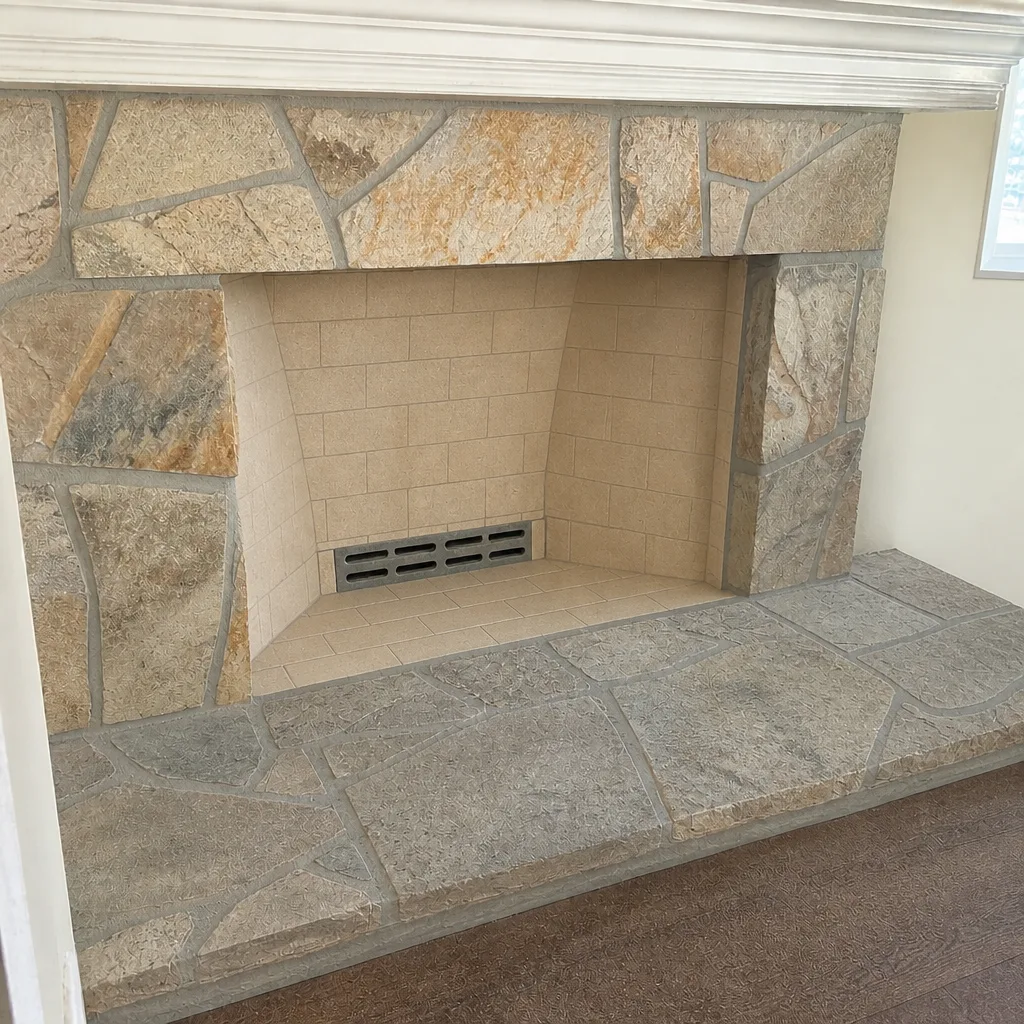
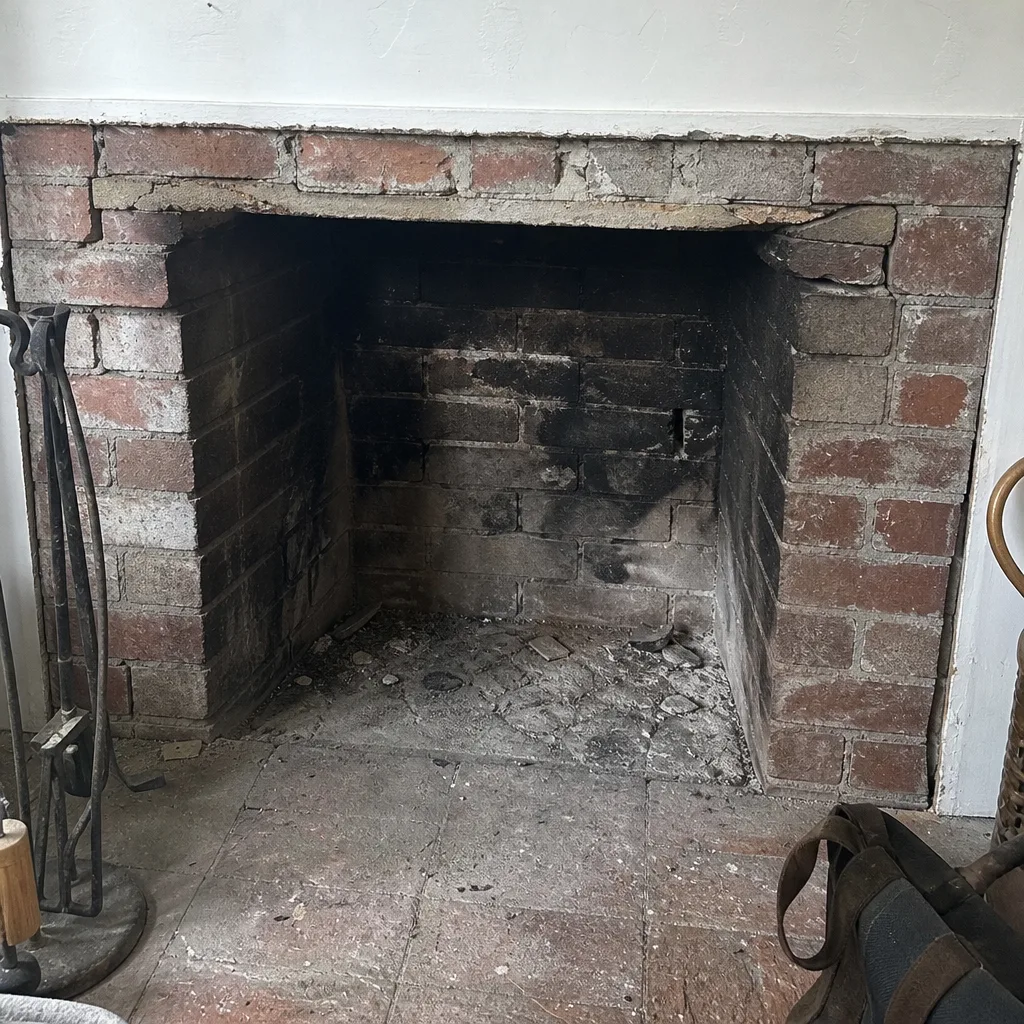
See the difference
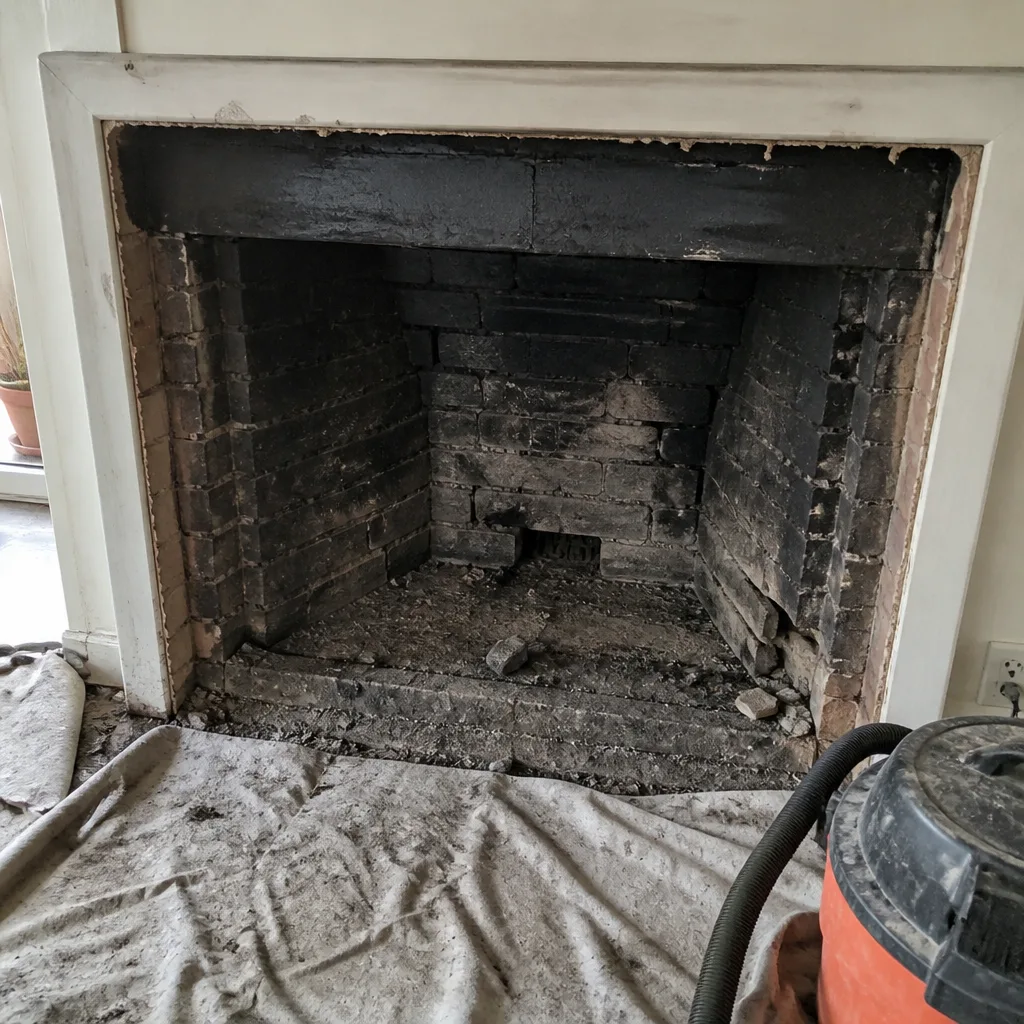 Before
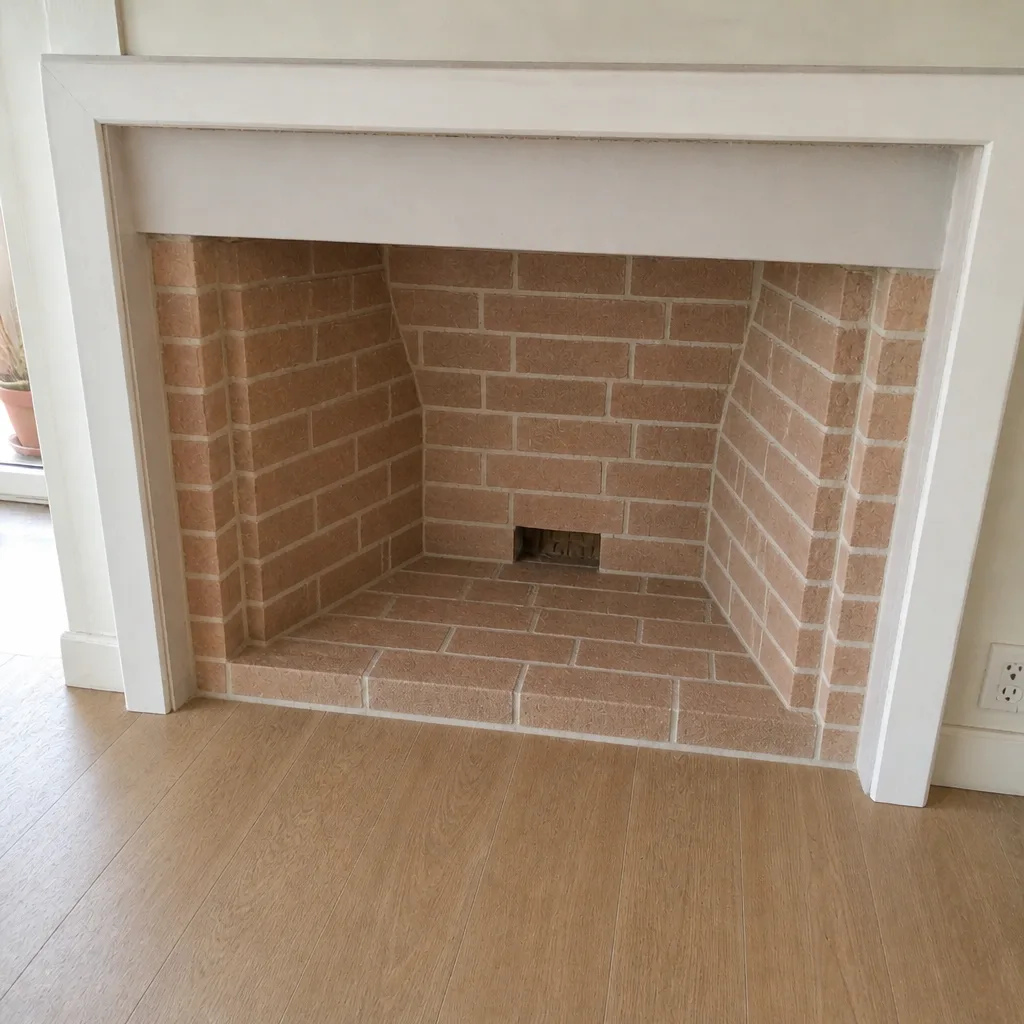 After
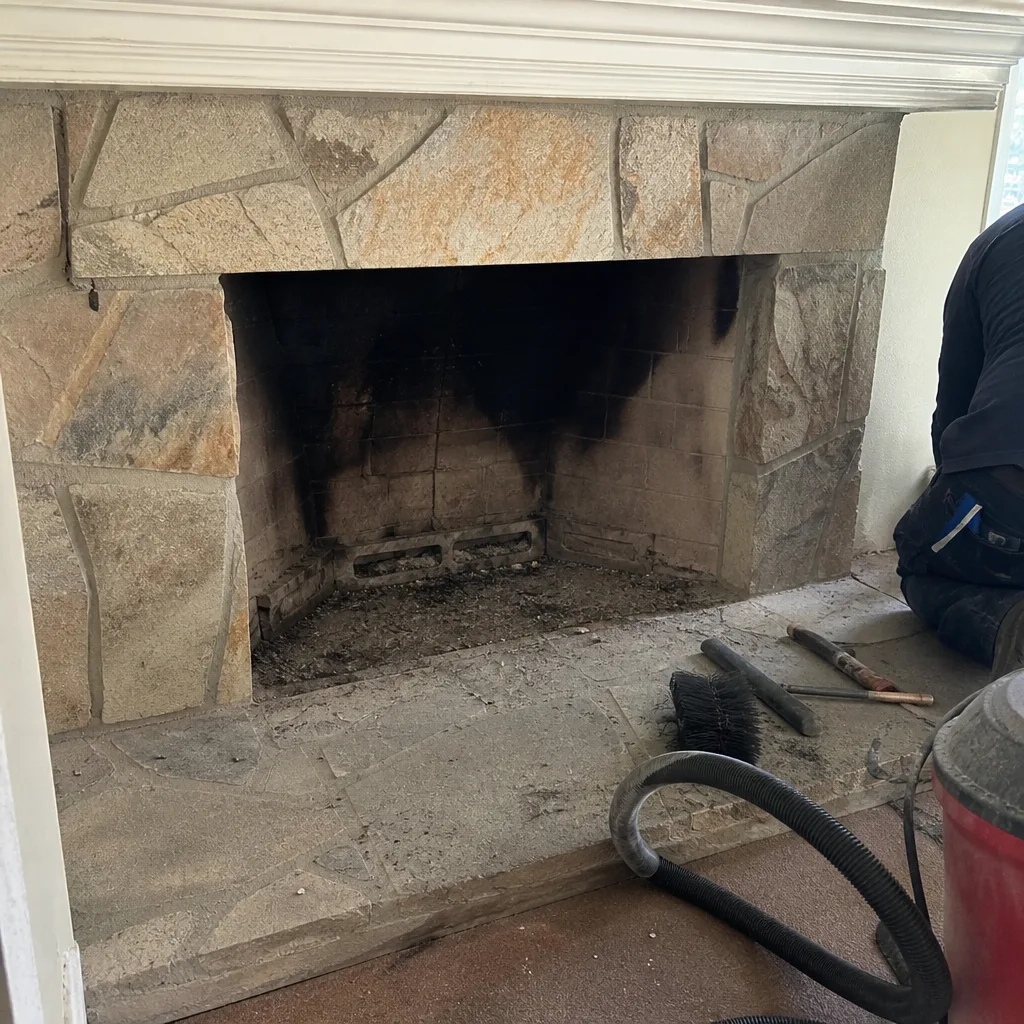 Before
 After
 Before
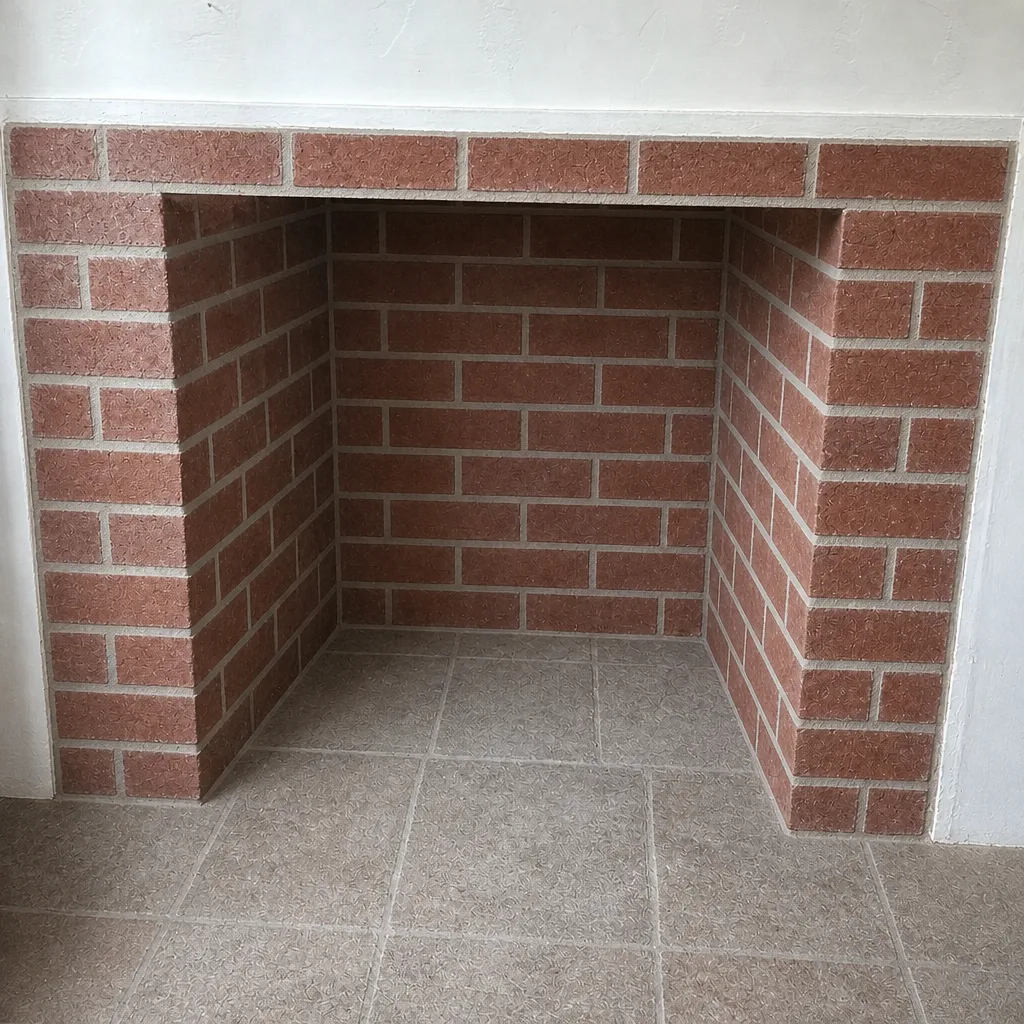 After
When to Call a Professional
Some of this work needs a technician on site. Specific situations where we’d want to see the chimney:
- You’re buying a home in Dana Point and don’t have a Level 2 inspection in the disclosure package.
- A chimney fire has happened – even a small one – and you want to document the damage for an insurer.
- You’ve been told a liner or crown repair is needed and want a second opinion before authorizing the work.
- The fireplace drafts poorly, smokes into the room, or has visible damage inside the firebox.
- You’re planning an insert or damper replacement and want the flue evaluated first.
- You’ve never had the chimney inspected since you bought the home.
Our technicians have up to 11 years of experience, and we work with the professional-trade brands that handle the technical jobs other sweeps skip. Chimney Sweep Dana Point offers free estimates in Dana Point. Call (844) 625-7380. We answer 24/7. Fast dispatch from 7am to 7pm, Sunday through Friday.
Frequently Asked Questions
No. Routine chimney cleaning is maintenance and does not require a permit in Dana Point. The permit question only comes up when the work changes the flue, the firebox, or the fuel-burning appliance. A standard sweep, cap replacement, or minor mortar repair typically needs none. If a sweep recommends relining or crown work, ask whether the job is permitted. Call (844) 625-7380 for an exact quote on the inspection that will tell you what’s actually needed. Estimates are free.
A Level 2 inspection is required by code during a home real estate transaction and after a chimney fire, earthquake, or other event that may have caused internal damage. It’s also required when the fuel type changes, such as converting from wood to gas. In Dana Point, the transaction case comes up most often during escrow, when the buyer’s agent needs documentation of the chimney’s condition. Call (844) 625-7380 to book a camera inspection with a photo report. Estimates are free.
Pricing in Dana Point is set per job by the written estimate, because the scope varies from a simple sweep to a full inspection with liner evaluation. The estimate is free, and it’s written before any work begins, so you know the price before you book. Call (844) 625-7380 for an exact quote. Estimates are free.
Skipping the permit doesn’t make the work disappear – it just means there’s no record it was done correctly. That record is what insurers check after a chimney fire, and what buyers’ inspectors search for during a home sale. An unpermitted liner can complicate a claim or a closing even if the installation itself is sound. A permit and a final inspection are the cheapest insurance on a liner. Call (844) 625-7380 if you want an inspection to document what’s currently installed. Estimates are free.
Most Dana Point homes that burn regularly should be swept once a year, ideally before the burning season starts. A chimney that only sees occasional fires can sometimes go longer, but the only reliable way to know is an inspection. Creosote that looks fine from the firebox can be a problem three feet up the flue. Call (844) 625-7380 to book an inspection. Estimates are free.
For an older Dana Point home, “code compliant” means the chimney meets the standards at the time it was built, and hasn’t deteriorated since. A clay-tile flue from the 1970s can still be compliant if the tiles are intact. An unlined flue is a different story – it needs relining to be brought up to current safety standards, no matter when it was built. A Level 2 inspection is what tells you which side of that line you’re on. Call (844) 625-7380 for a camera inspection. Estimates are free.
The Bottom Line
Routine chimney cleaning in Dana Point doesn’t require a permit. Relining a flue, rebuilding a crown, installing an insert, or converting fuel types usually does. The permit line matters because it’s what protects you at resale and after a chimney fire – not because the city wants the fee. A Level 2 inspection is your record of what the chimney actually contains, and it’s the document insurers and buyers care about. If it’s been a few years since your chimney was inspected, or a repair has been recommended and you’re not sure how to verify it, book an inspection. Call (844) 625-7380. The estimate is free, and the photo report tells you exactly what you’re dealing with, permit questions and all.
Written by the team at Chimney Sweep Dana Point.