
Last updated November 25, 2026
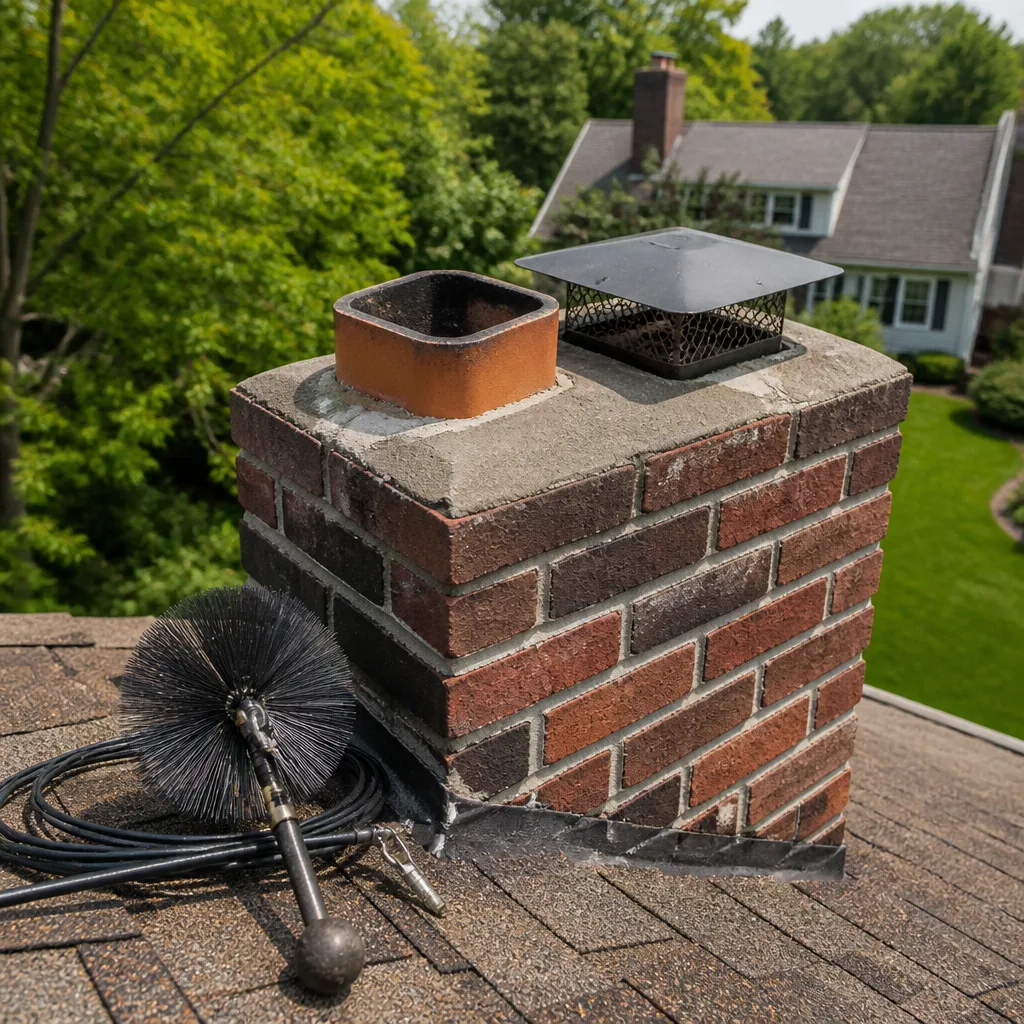 Sweep & inspection
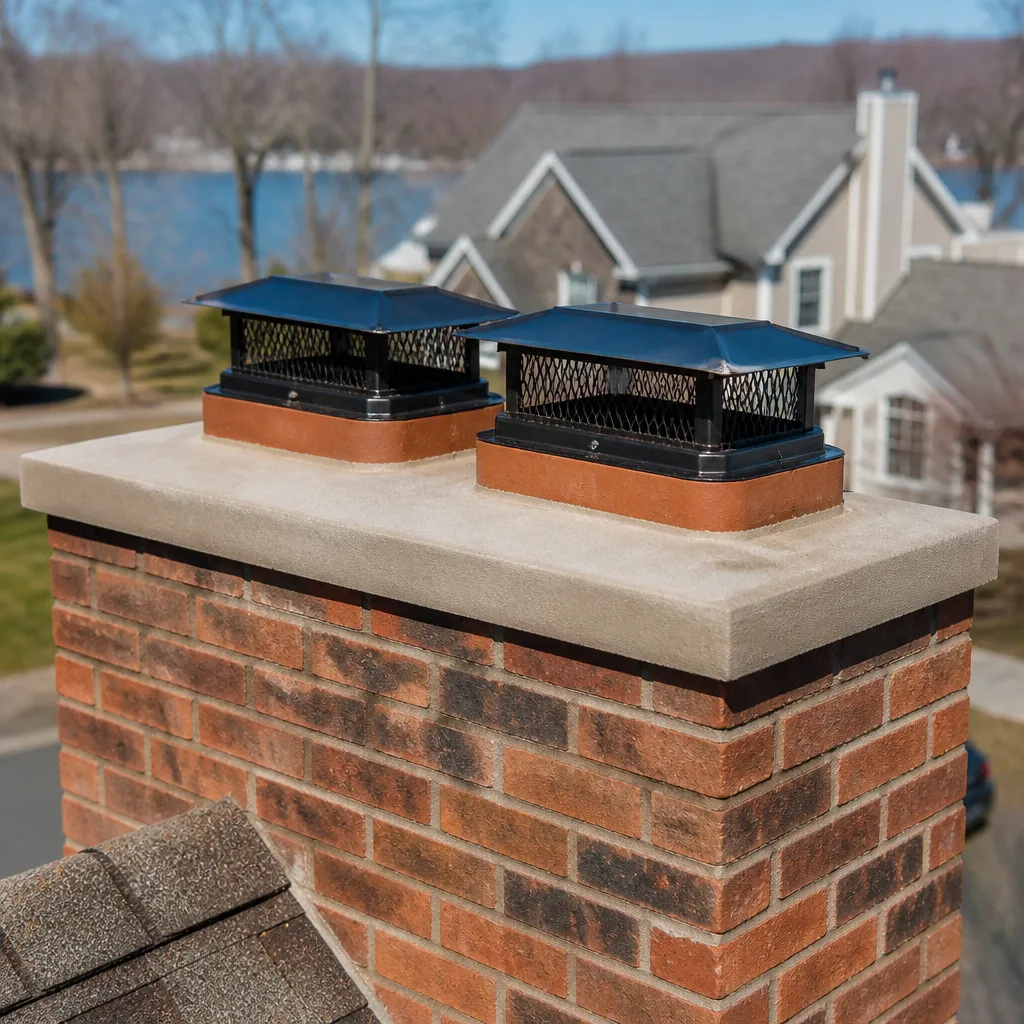 Caps & crowns
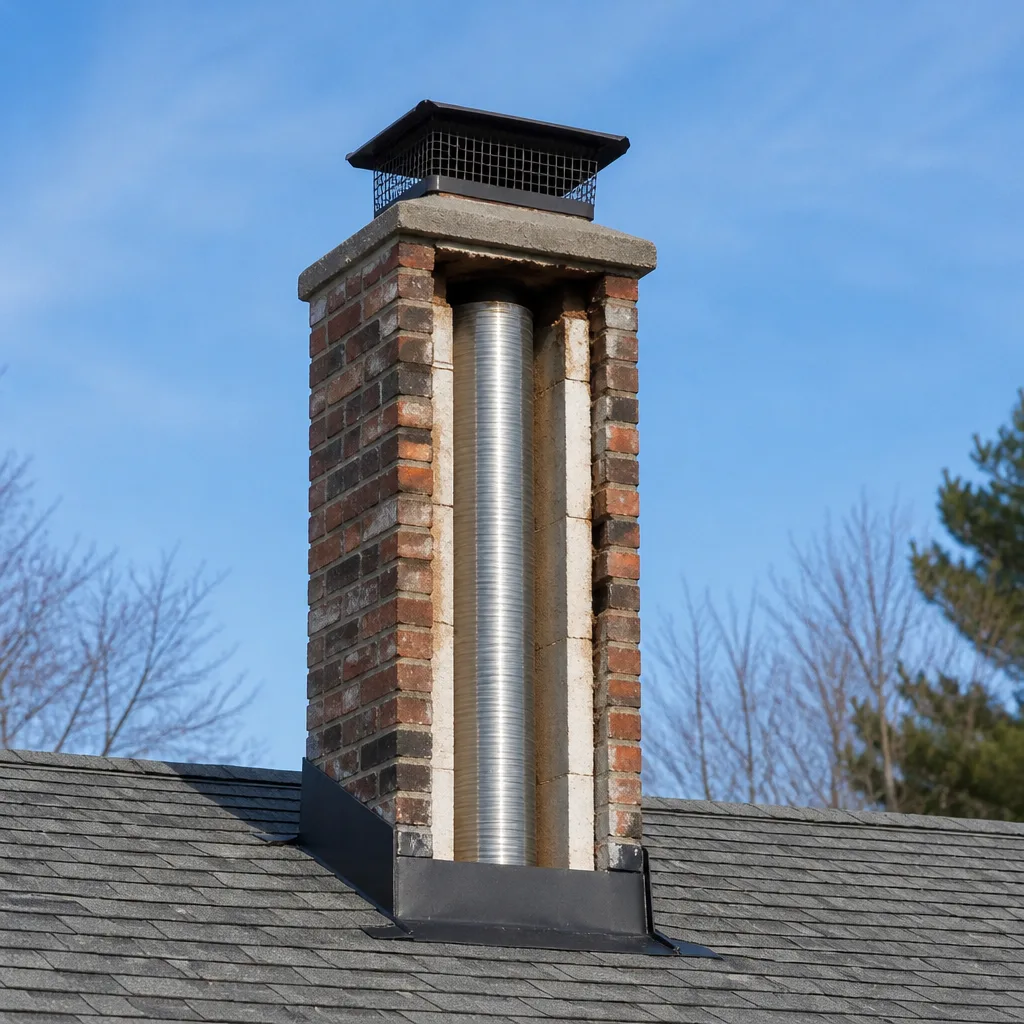 Flue relining
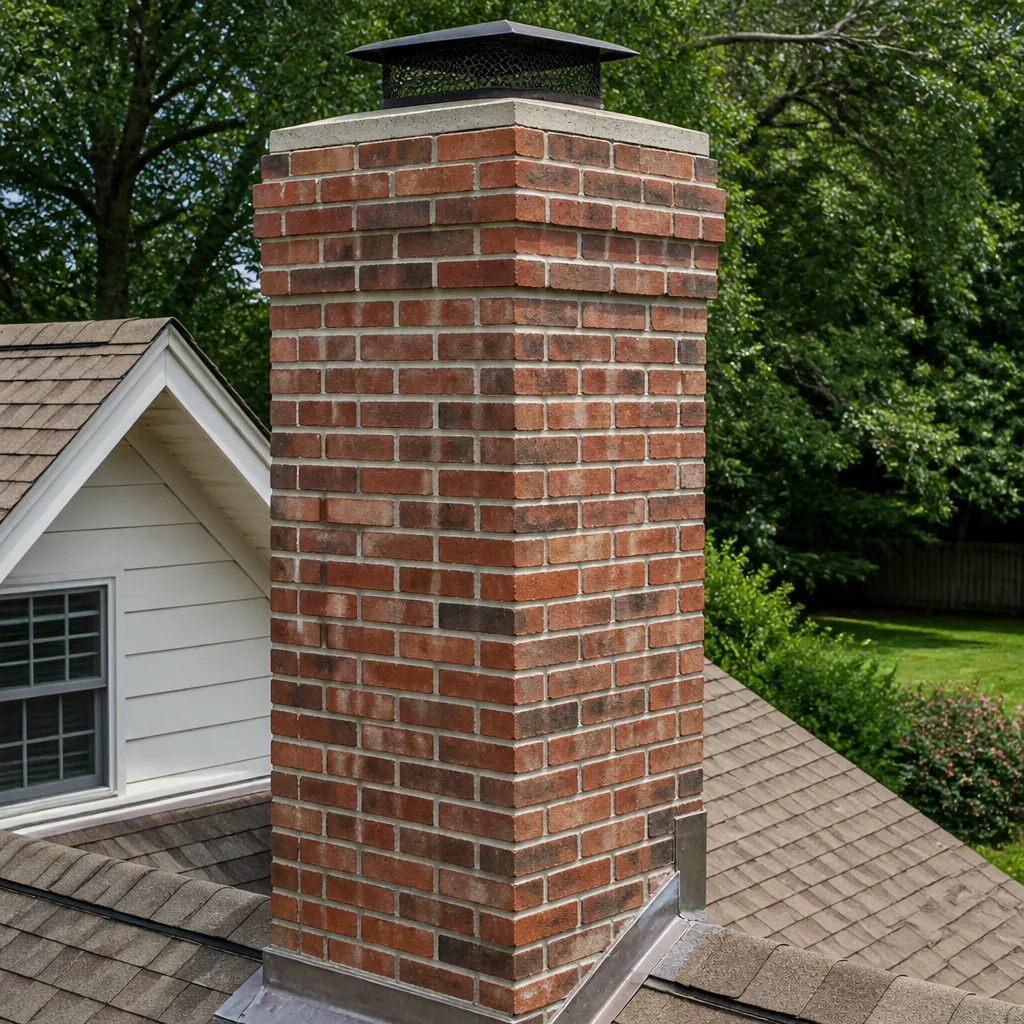 Masonry repair
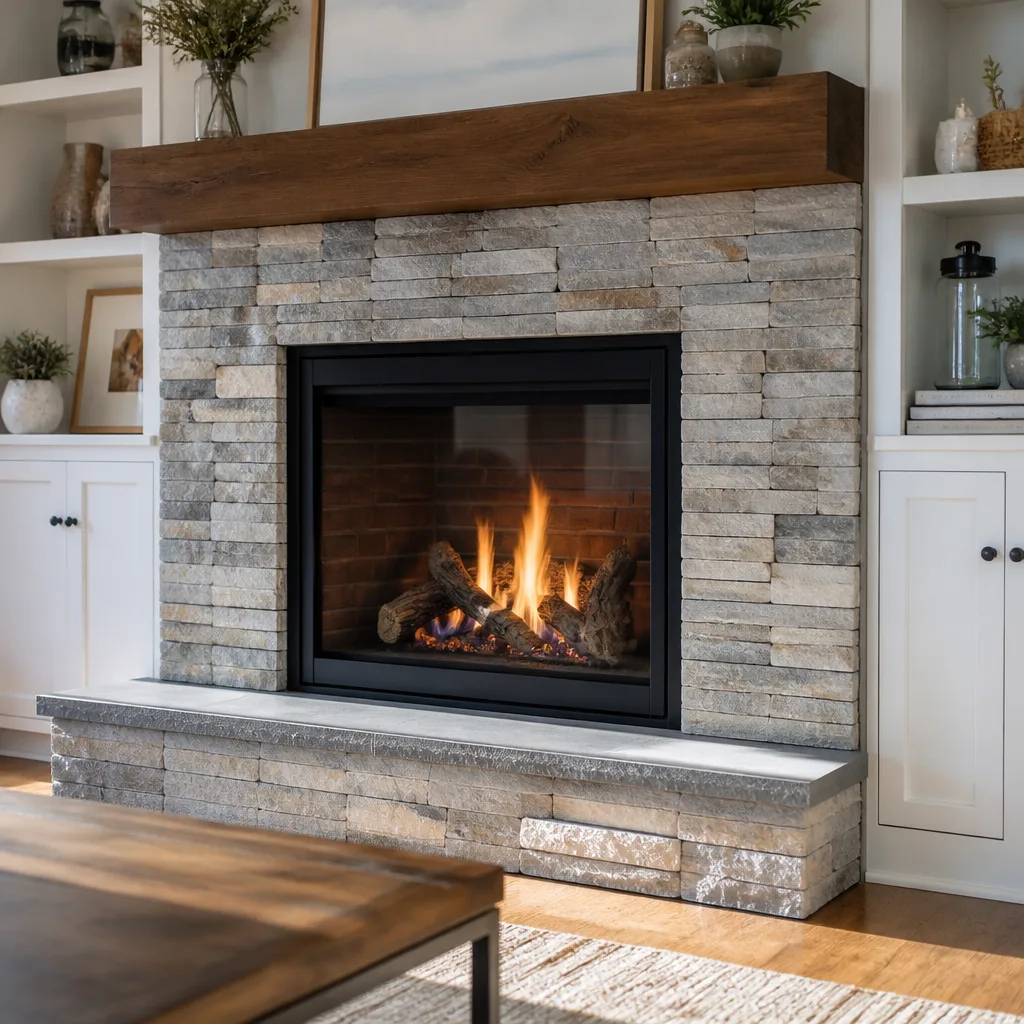 Gas fireplace service
Level 1 sweep and inspection to the NFPA 211 annual standard - flue, crown, cap, and flashing checked and photographed
Chimney sweep logs do not sweep chimneys. They loosen some creosote - which then falls where a brush and vacuum still have to collect it.
Chimney Cleaning Emergency Preparedness Guide for Dana Point Homes
Most chimney advice assumes a calm night and a fire department a few minutes away. In Dana Point, the harder scenario is a chimney fire that starts during a Santa Ana wind event, when dry, gusting air pushes embers onto roofs and brush and when every crew in the region is stretched across multiple calls. The decisions you make in the first minute or two matter more than what you own in the garage. This guide walks through those decisions in order, explains how Santa Ana conditions change the way a chimney fire behaves, covers what a post-fire inspection has to include before you burn again, and lays out the documentation worth keeping in a folder long before you need it. It also covers a second emergency profile plenty of Dana Point homeowners never think about: gas inserts and the carbon monoxide risk that comes with them.
Quick Answer
Preparedness for a chimney fire in Dana Point comes down to four things you set up before the event: a clean, inspected flue, a working plan for the first 90 seconds, a documented service record you can hand to an insurer or an adjuster, and a separate plan for your gas insert. If a chimney fire starts, call 911 first, get everyone out, then close the damper and fireplace doors only if you can do it safely, and never put water on a hot flue before the fire department clears you. After any chimney fire, no matter how minor the visible damage looks, the system needs a professional inspection before the next fire.
Styles & brands we work with
- Sweep & inspection
- Caps & crowns
- Flue relining
- Masonry repair
- Gas fireplace service
Table of Contents
- The First 90 Seconds of a Chimney Fire
- How Santa Ana Conditions Change Chimney Fire Behavior
- What a Post-Fire Inspection Involves
- Post-Wildfire Inspection Before Re-Occupancy
- Documentation to Keep on File
- Carbon Monoxide Preparedness for Gas Fireplace Inserts
- Building a Dana Point Preparedness Calendar
- Common Mistakes to Avoid
The First 90 Seconds of a Chimney Fire
A chimney fire gives you less time than you’d expect to make good decisions. The smoke smell changes first, then the sound, then the visible signs. Knowing the order of actions in advance is the whole point of preparedness, because you won’t be reasoning clearly once the roar starts. Here is the sequence, in order.
- Call 911 first. Before anything else, before you look for the extinguisher, before you check the roof. A chimney fire can spread into the attic or roof structure within minutes, and dispatch takes time you may not have. Give the address and say clearly that it’s a chimney fire.
- Get everyone out of the house. Adults, children, pets. Move to the street or a safe distance from the structure. Do not stop to gather belongings.
- If it’s safe and quick, close the glass doors and the damper. Cutting the air supply starves the fire of oxygen it needs. But only do this if the firebox is accessible and you’re not reaching through flame or heavy smoke. If the glass doors are too hot to touch, leave them.
- Do not put water on the fire. A sudden temperature shock on a hot flue can crack clay tile liners or warp a metal liner, and steam can push smoke back into the room. Let the fire department handle suppression.
- Don’t climb onto the roof. This is the single most dangerous mistake homeowners make during a chimney fire. Roofs are hot, embers are blowing, and the fire may already be inside the structure.
- Stay out until cleared. The fire department will tell you when it’s safe to re-enter. Do not go back in to “check the fireplace.”
What are the visible warning signs you’re dealing with a chimney fire rather than a normal burn? A loud roaring or crackling sound like a freight train is the classic indicator. So is a dense, dark column of smoke from the chimney, or visible flame and sparks at the top. A strong, hot smell from the fireplace that’s different from the usual wood smell is another indicator. So is a pinging or tapping sound from the flue, which is often the metal liner expanding under extreme heat.
How Santa Ana Conditions Change Chimney Fire Behavior
Under calm conditions, a chimney fire is a contained emergency. Under Santa Ana conditions, it’s a spreading one. The same dry, gusty air that makes Dana Point feel like the inside of a hairdryer on the wrong day also pushes embers farther, dries out roofing materials faster, and makes the brush on the hills behind your property that much more flammable. That changes behavior in three specific ways.
- Ember travel extends. A chimney fire that would normally discharge embers a few feet from the cap under still air can throw them much farther on a gust. On a shake or wood-shingle roof, or a roof with a buildup of dry debris in the valleys, that’s the ignition source you didn’t budget for.
- Draft strengthens unpredictably. Santa Ana winds create pressure differentials that can push more air up the chimney, which feeds the fire, or push smoke back down, which puts it in the room. Neither outcome is something you can control from inside the house.
- Response times stretch. During a wind-driven fire event, fire department resources are spread across the region. A crew that would come immediately on a calm night may be committed elsewhere. This is the reason the “call 911 first” step isn’t negotiable.
The practical takeaway from all of this is that your prevention work should front-load the Santa Ana months, not race to catch up during them. Fall is the window: late summer into early autumn, before the windy season gets going. A flue that’s cleaned and inspected in September is a flue that won’t have an unseen creosote buildup when the wind turns. If you haven’t had a chimney sweep done this season, get it scheduled before the first wind event, not after.
What a Post-Fire Inspection Involves
A post-fire inspection is not a visual check from the ground. It’s a full evaluation of the flue, firebox, cap, crown, and adjacent structure, and it needs to happen before you burn again even if the fire was minor and even if there’s no obvious damage. Chimney fires can crack clay tiles, warp metal liners, distort the damper, and scorch the framing around the flue in ways you can’t see from inside the fireplace. A fire that looked contained can have damaged the very liner that’s supposed to keep heat out of your walls.
Here’s what a proper post-fire inspection covers, in general terms:
- Video camera inspection of the flue. A camera run down the length of the flue shows cracks, gaps at the joints, and heat damage that a mirror and flashlight won’t catch.
- Firebox and damper evaluation. The firebox masonry, the damper plate, and the smoke shelf all take heat during a fire. Warping or cracking here changes how the system drafts and needs to be documented.
- Cap and crown assessment. The cap and crown are your first line of defense against water intrusion, and a chimney fire can damage both. Heat can crack the crown, and an impact from a chunk of burning debris can distort the cap.
- Chase and framing check. For prefab or metal systems, the chase and the surrounding framing need to be assessed for heat damage and clearances.
- Written report with photos. The inspection should produce a written report and photos you can keep, share with your insurer, and refer back to before the next burn.
If the inspection finds the flue is compromised, the fix is a reline, not a patch. We source and install DuraFlex flexible liner systems, which handle older or irregular flues that rigid liners can’t navigate. A proper reline is the “job behind the job” that resolves the root cause instead of tidying up the visible damage. Trade-grade materials, properly installed, outlast the quick fix. If you need chimney repair after a fire, the inspection report should match the scope of the repair exactly, and no repair should be recommended without camera evidence you can see for yourself.
Post-Wildfire Inspection Before Re-Occupancy
Wildfire season in Southern California has created a second preparedness scenario that most chimney guides skip: the inspection that’s required (or strongly advisable) before a home is re-occupied after a nearby fire. In the Dana Point area, homes on the edges of the population center, near the hills and open space, sit closer to the wildland interface than the address suggests. After a regional fire, even homes that didn’t burn can have damage that isn’t visible from outside.
Post-wildfire chimney and fireplace concerns break down into a few categories:
- Heat exposure. A nearby fire can expose a chimney to radiant heat that cracks the crown, scorches the cap, or distorts a metal liner. The exterior might look fine while the interior has heat stress.
- Smoke and ash infiltration. Wildfire smoke can enter the home through the fireplace and flue even with the damper closed, especially if there’s negative pressure from a running HVAC system. The fireplace and flue need cleaning before they’re used again.
- Debris accumulation. Ash and charred debris from the surrounding area can collect on the cap, in the crown, and on the roof around the chimney, which is a fire hazard in itself.
- Water intrusion after firefighting. Firefighting efforts put water on roofs and structures. If the crown was already compromised, water can enter the chase and cause damage that only shows up weeks later.
If you’ve been told by an insurance adjuster or a fire inspector that the chimney needs inspection before re-occupancy, the smart move is to get the inspection done once, properly, with a written report. That single document supports your claim and gives you a baseline to compare against if further damage shows up. HeatShield resurfacing capability matters here: many crowns and flue interiors that would otherwise be a full reconstruction after heat damage can be resurfaced if the damage is caught before water intrusion sets in. That capability is a specialty repair process most local sweeps outsource or skip, and it’s why we handle it in-house as part of the full cycle from inspection through repair.
Documentation to Keep on File
The single most useful thing you can do for your future self is keep a chimney file. Not a shoebox of receipts, but a working folder with the records an insurer, an adjuster, or a future buyer will ask for. When a claim happens, documentation is the difference between a smooth process and a slow one. Here’s what belongs in it.
- Inspection reports with photos. Every inspection, with the date, the findings, and the pictures. A series of reports showing the system was maintained is worth more than one report after a problem.
- Liner specifications. If the chimney has been relined, the spec sheet matters. The liner manufacturer, the product line, the installation date, and the installer information should all be in the file. Insurers ask for this; so do home inspectors at resale.
- Prior repair records. Cap replacements, crown work, resurfacing (HeatShield or otherwise), damper repairs, firebox work. Any repair that touched the chimney belongs in the file with the date and the scope.
- Sweep records. Dates of each cleaning and any notes the technician left. A record showing regular cleaning supports your claim that the fire was not caused by neglected creosote.
- Brand and product records. If your cap is a Copperfield, that’s useful information. If your liner is a DuraFlex, the installer and specs should be on file. If your crown was resurfaced, document it. Known products are easier to inspect, repair, and match than an unmarked installation.
Keep the file in a fireproof safe or a cloud folder. Add to it every time service is done. When you sell the house, the file becomes a genuine selling point: a documented chimney system is one fewer item on the buyer’s inspection list. And in Dana Point, where buyers expect disclosures to be detailed, a clean service record is worth having on hand.
Carbon Monoxide Preparedness for Gas Fireplace Inserts
Gas inserts are common in Dana Point, and they present a different emergency profile than wood-burning fireplaces. A wood fire that goes wrong gives you smoke first, which is a warning you can see and smell. A gas insert that’s venting improperly gives you carbon monoxide, which you can’t see, smell, or taste. The same preparedness work applies, but the warning signs are different.
What you need in place before the season starts:
- A working carbon monoxide alarm on every level of the home, plus one outside the sleeping areas. Test them monthly. Replace the batteries when the alarm tells you to, and replace the units on the manufacturer’s schedule.
- A documented inspection of the insert, its venting, and the termination cap. Gas inserts vent differently from wood systems, and a venting inspection is part of the service. If the insert has a blocked vent or a damaged termination, the exhaust has nowhere to go but into the room.
- An annual cleaning and inspection, whether or not you use the insert often. Gas inserts produce less creosote than wood, but they still produce combustion byproducts, and the venting can clog or degrade. An annual service visit covers the venting and the insert’s safety components.
- A plan for what to do if the alarm sounds. Get everyone out, call 911 or the gas utility’s emergency line from outside, and don’t re-enter until it’s cleared. Do not open windows and assume the problem is solved. Carbon monoxide can build back up.
The signs of an insert that’s venting badly are subtle and easy to dismiss: a lingering smell in the room after the insert shuts off, unusual condensation on the glass, soot on the fireplace face, or a flame that looks lazy or yellow instead of clean. Those are reasons to get the system inspected, not reasons to wait. If you have a gas insert and haven’t had the venting inspected this year, that’s a call worth making now. Same goes for the fireplace repair side: a gas insert that’s been slowly degrading is one you want diagnosed before it becomes a problem.
Building a Dana Point Preparedness Calendar
Preparedness isn’t a one-time event. It’s a small set of recurring tasks that fit the local seasons. Dana Point’s fire season and wind season overlap with the heating season, which means the maintenance window is tighter than in most of the country. Here’s how to structure the year.
- Late spring (May-June): have the chimney swept and inspected after the heating season ends. Catching issues now means a full summer to get repairs scheduled and completed before the fall.
- Late summer (August): test the carbon monoxide alarms. Replace batteries. If you have a gas insert, check the flame quality and the termination cap for debris.
- Early fall (September-October), before Santa Ana season: re-inspect and re-clean the flue if you burn wood regularly. This is the most important window. A flue cleaned in October is a flue with minimal creosote when the wind season starts.
- Year-round: keep the documentation folder current. Add every service record. And keep a copy of the file somewhere it will survive a fire in the house itself.
A proper chimney inspection in the fall is the anchor of the calendar, and every other task depends on the findings. If the inspection finds a failing cap or a cracked crown, deal with it before the first wind event. Chimney cap and crown failures are the most common cause of water intrusion and structural deterioration we see, and they’re the failure point generic cleaning services routinely miss. Cap and crown installation is a specialty here: we handle it in-house so you don’t end up scheduling a separate roofing or masonry contractor.
Common Mistakes to Avoid
- Waiting until the first Santa Ana warning to call. By then, every chimney sweep in the area is booked and the wind is already dry. Schedule the sweep and inspection in early fall, before the wind season turns.
- Treating a minor-looking chimney fire as no big deal. The damage from a chimney fire is often inside the flue or behind the firebox face, where you can’t see it. A post-fire inspection is not optional.
- Climbing onto the roof to check for damage after a fire. Roofs are hot and unstable after a chimney fire, and embers are still moving. Stay on the ground and let the fire department clear the structure first.
- Skipping the carbon monoxide alarm because you “don’t have a gas fireplace.” Gas inserts, gas appliances, and attached garages are all sources. Alarms go on every level regardless of your fireplace type.
- Assuming a visual sweep is the same as a real inspection. A brush down the flue doesn’t reveal cracks, joint gaps, or heat damage. A camera inspection does. If your last service was a visual check, that’s not the same as a documented inspection with photos.
- Not keeping records because there’s no claim pending. Documentation is easiest to build before you need it. A folder of inspection reports and liner specs from prior years is worth more than a stack of receipts after a fire.
- Letting a water intrusion issue wait. A cracked crown or damaged cap lets water into the chase. That damage compounds quietly. Fix it when the inspection finds it, not when the ceiling stains show.
See the difference
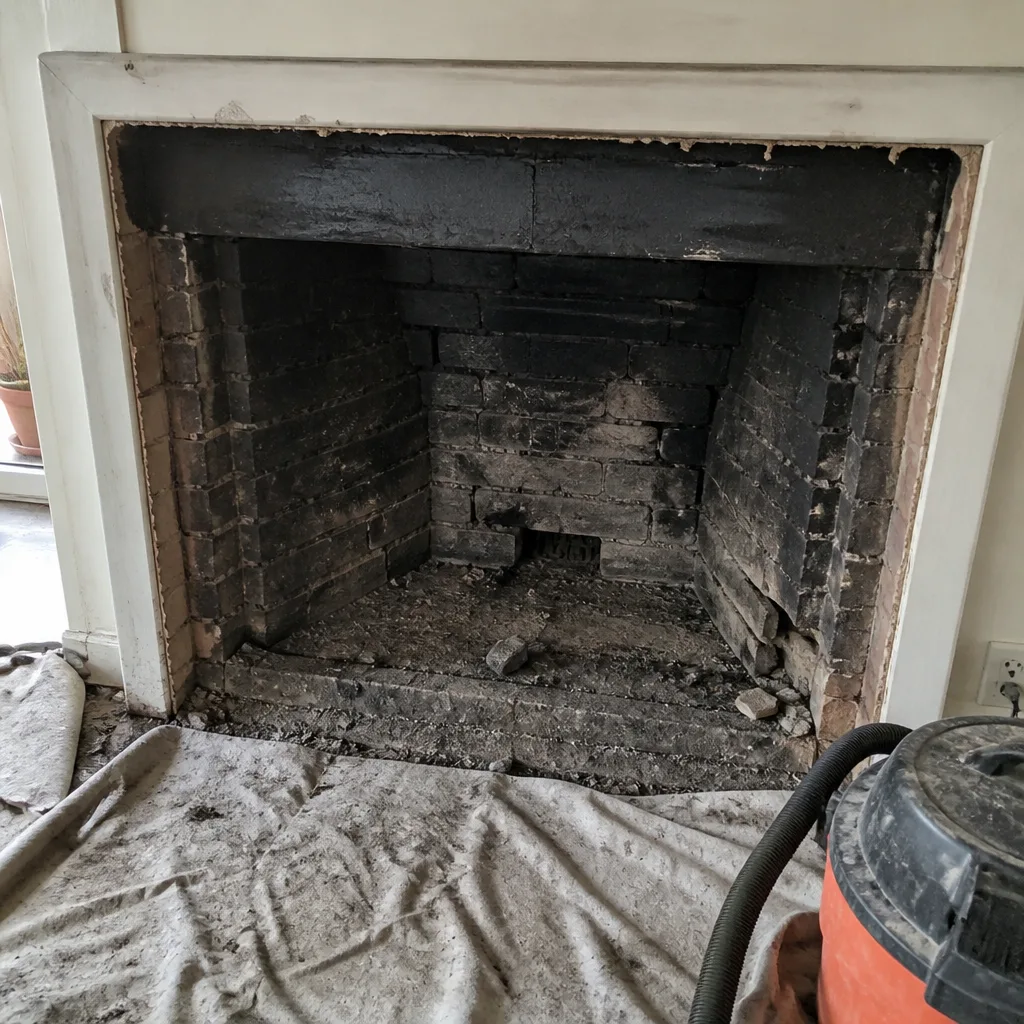 Before
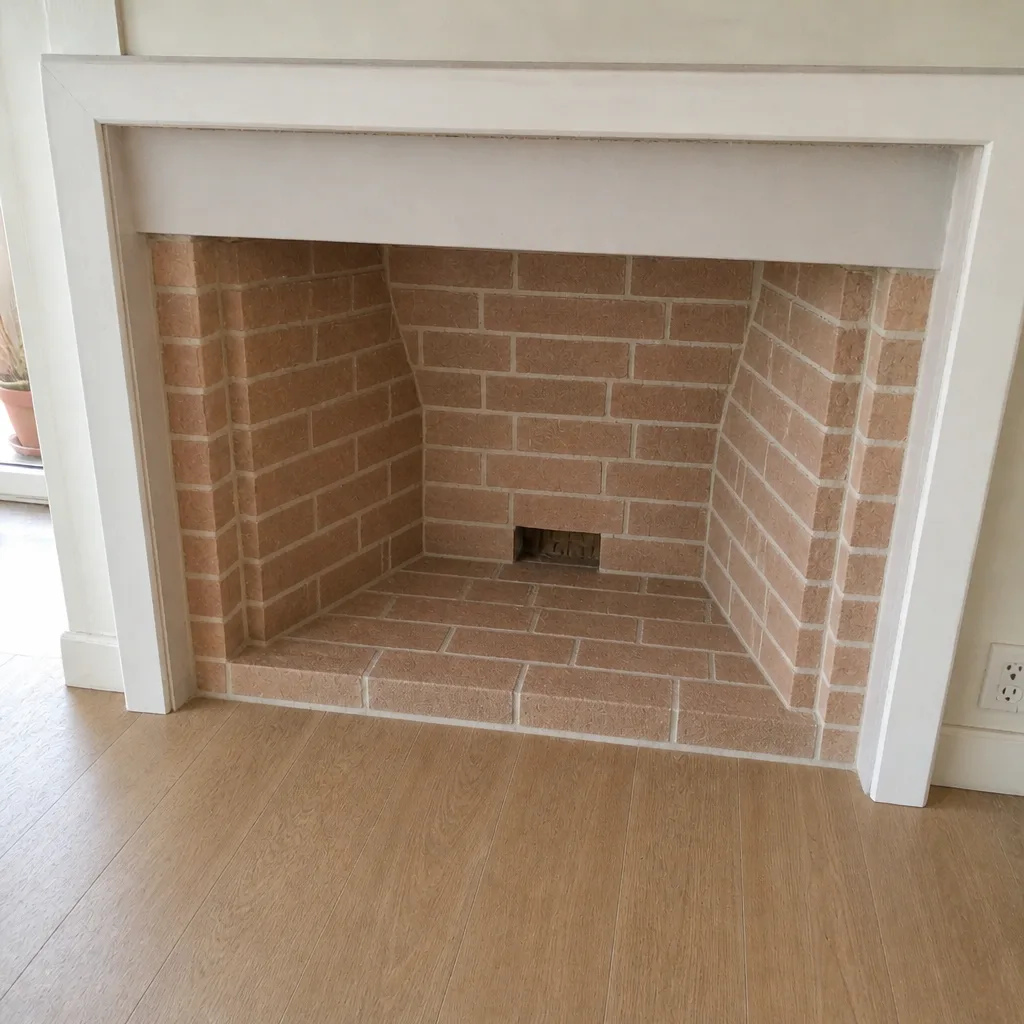 After
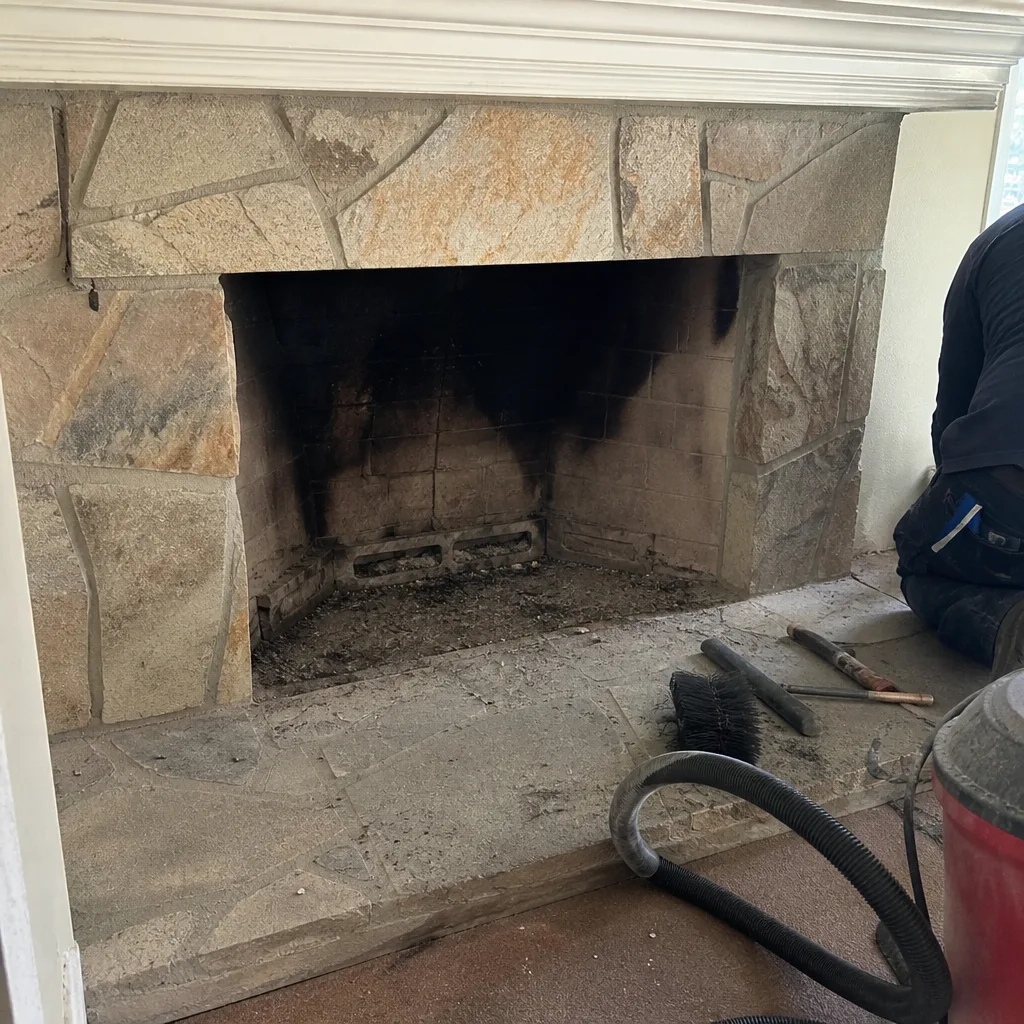 Before
 After
 Before
 After
When to Call a Professional
Some of this work you can plan for on your own schedule. Some of it needs a professional out quickly. Call us when any of the following applies: a chimney fire of any size has occurred and you haven’t yet had a post-fire inspection; a wildfire burned near your home and an insurer or inspector has asked for a chimney inspection before re-occupancy; your carbon monoxide alarm has sounded and you can’t identify the source; you smell smoke in the house when the fireplace isn’t burning; your cap or crown is visibly damaged or missing; or it’s been more than a year since your last sweep and heating season is approaching. Our technicians have up to 11 years of experience, and every visit includes a camera inspection and photo report. The local pro we connect you with is licensed and insured as their state requires, and the flat-price sweep is agreed before booking, so you know what you’re paying before anyone arrives. Chimney Sweep Dana Point offers free estimates in Dana Point, call (844) 625-7380. We answer 24/7. Fast dispatch from 7am to 7pm, Sunday through Friday.
Frequently Asked Questions
Call 911 first, before anything else. A chimney fire can spread into the roof or attic structure within minutes, and getting the fire department rolling early is the single most important decision you can make. After you’ve called, get everyone out of the house, and only close the damper and glass doors if you can do it safely and quickly. Never climb onto the roof, and never put water on a hot flue. Call (844) 625-7380 for a post-fire inspection once the fire department has cleared the structure, estimates are free.
You need a proper camera inspection first, and then the answer comes from what the camera shows, not from a visual check. Chimney fires crack clay tiles and warp metal liners in ways a mirror and flashlight won’t reveal. If the liner is compromised, the correct fix is a reline, not a patch; a patch hides the problem and the next fire finds it. We source and install DuraFlex flexible liner systems for exactly this kind of repair. Call (844) 625-7380 to schedule the inspection; nothing is recommended without camera evidence you can see yourself.
Santa Ana conditions push embers farther, dry out roofing materials faster, and stretch fire department response times across the region. Under calm conditions, a chimney fire that throws embers a few feet from the cap is a contained emergency; under wind, those embers can reach a dry shake roof or a debris-filled valley. The practical response is to do your prevention work in early fall, before the wind season begins, so your flue has minimal creosote when the wind turns. Call (844) 625-7380 to book a sweep before the season, estimates are free.
A post-fire inspection is a full evaluation of the flue, firebox, damper, cap, crown, chase, and adjacent framing, with a video camera run down the flue and a written report with photos. You can’t skip it because the damage from a chimney fire is often inside the flue or behind the firebox face, where visible inspection can’t reach. Burning again on a compromised liner is a genuine safety risk, not a theoretical one. Call (844) 625-7380 to schedule a post-fire inspection; the written report supports an insurance claim and gives you a baseline for future service.
The general rule is once a year for a home that uses the fireplace regularly, and more often if you burn frequently through the season. In Dana Point specifically, the right time is early fall, before Santa Ana season gets going, so the flue is clean when the wind turns. If you’ve had a chimney fire or a nearby wildfire, sweep regardless of the calendar. Call (844) 625-7380 to schedule a sweep; the flat price is agreed before booking, and estimates are free.
Carbon monoxide is a real concern with gas inserts because a gas appliance that vents incorrectly produces CO you can’t see or smell, while a wood fire that goes wrong gives you smoke as a warning first. Every home with a gas insert should have working CO alarms on every level, an annual venting inspection, and a clear plan for what to do if the alarm sounds. If you smell gas or your alarm has sounded, get out and call 911 or your gas utility from outside. Call (844) 625-7380 to schedule a gas insert inspection, estimates are free.
The Bottom Line
Emergency preparedness for a Dana Point chimney comes down to a small number of decisions you make in advance, not the ones you make in the moment. Keep the flue clean and inspected, front-load the work into early fall before Santa Ana season, and treat any chimney fire as a reason for a full post-fire inspection regardless of how minor it looked. Keep a documentation folder with inspection reports, liner specs, and repair records so an insurance claim or a post-wildfire re-occupancy inspection doesn’t catch you flat-footed. Put working CO alarms in place if you have a gas insert. And if you’re not sure where your system stands, the simplest next step is a proper inspection with a camera and a written report.
Chimney Sweep Dana Point provides full-scope chimney care: Chimney Sweep Dana Point service, fireplace repair, chimney repair, chimney inspection, and chimney cap and crown installation, all under one company. We source and install trade-grade products from brands like DuraFlex, HeatShield, Copperfield, Gelco, Olympia Chimney, and Famco, which means repairs are done with the right materials the first time, not whatever a hardware store had on the shelf. From inspection to repair, you deal with one company, not a handoff mid-project.
Call (844) 625-7380 for a free estimate. We answer 24/7. Fast dispatch from 7am to 7pm, Sunday through Friday. If a call comes in outside dispatch hours, it’s booked into the next opening, Sunday through Friday, 7am to 7pm. The estimate is free, the flat price is agreed before booking, and nothing is recommended without camera evidence you can see for yourself.
Written by the team at Chimney Sweep Dana Point.