
Last updated November 25, 2026
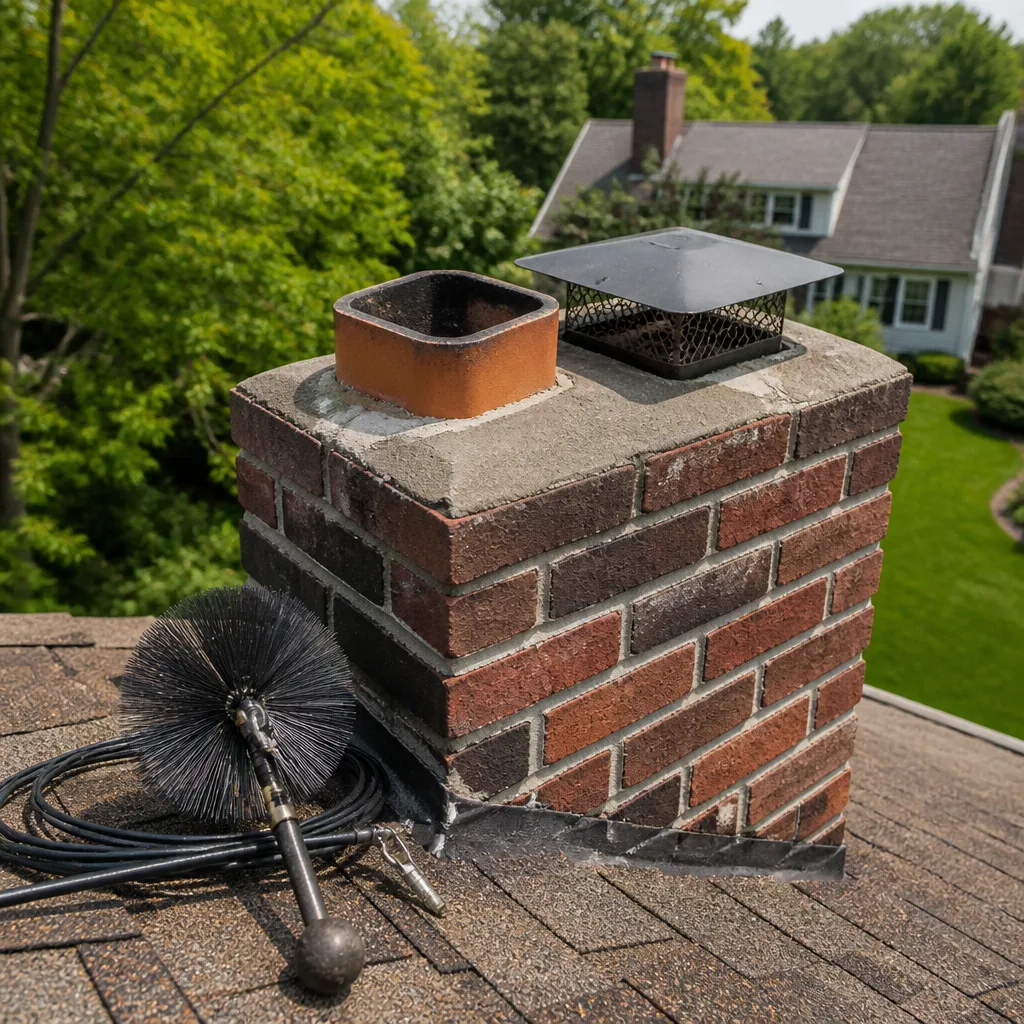 Sweep & inspection
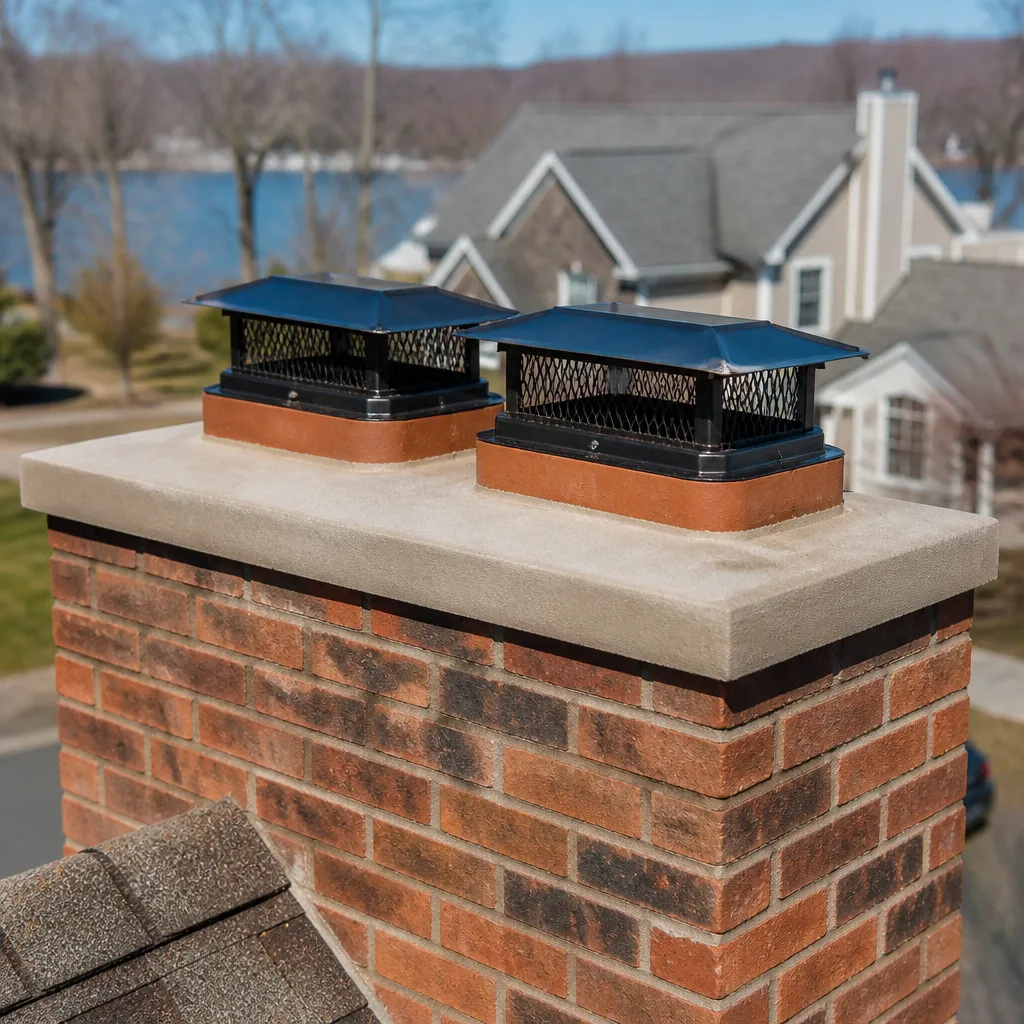 Caps & crowns
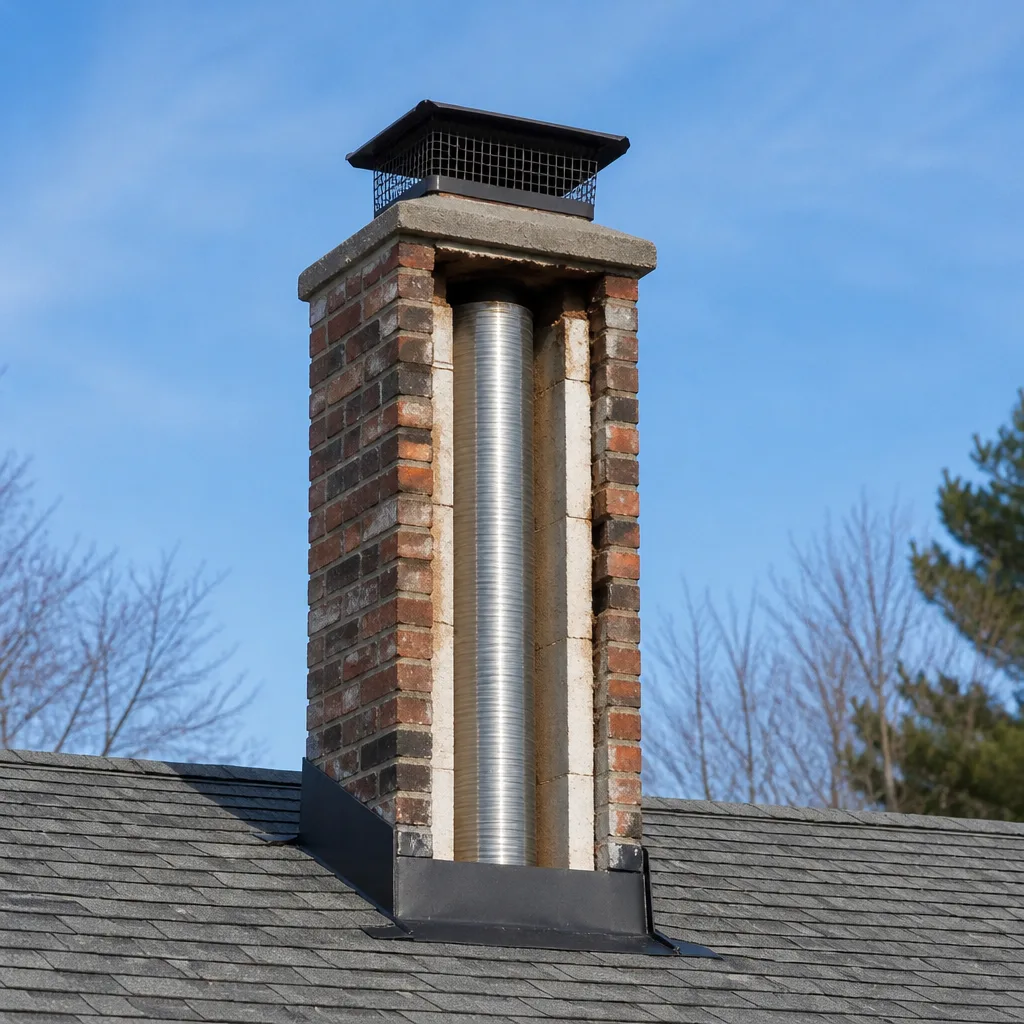 Flue relining
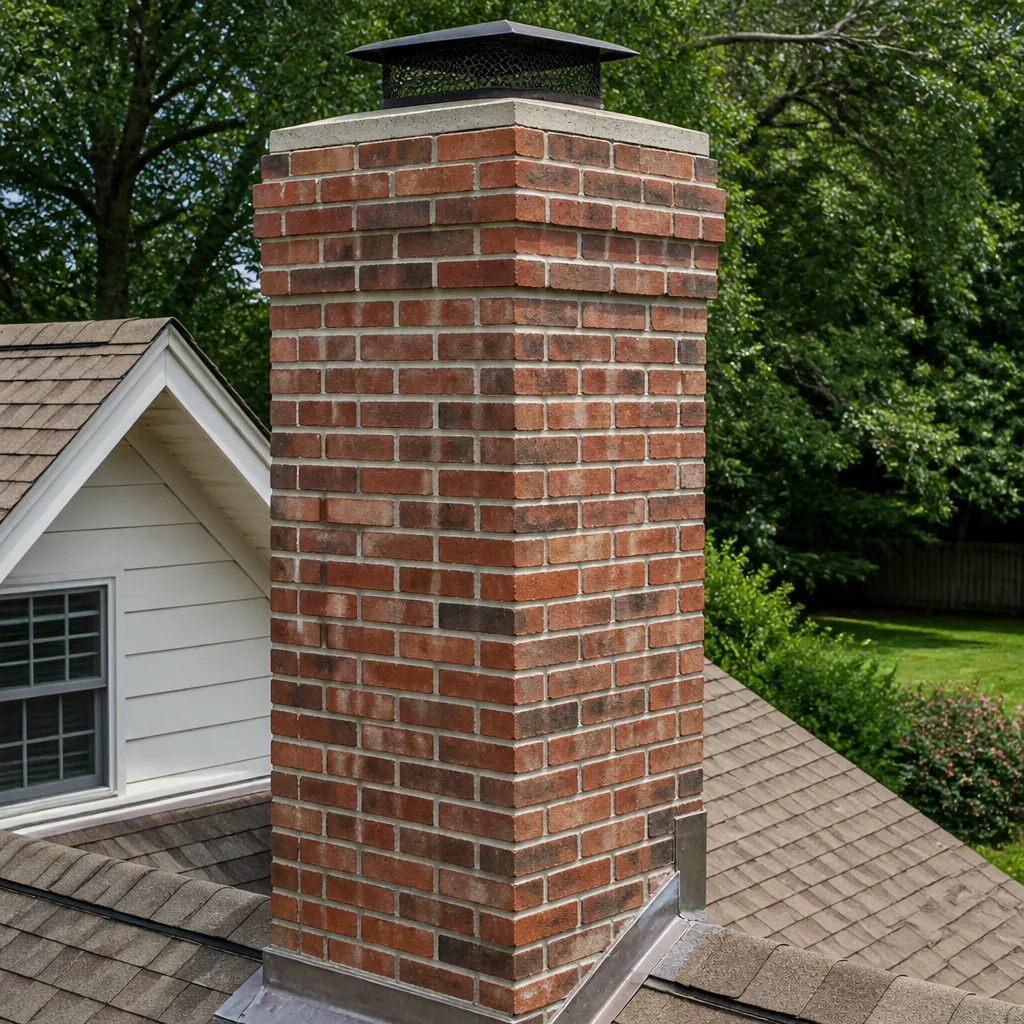 Masonry repair
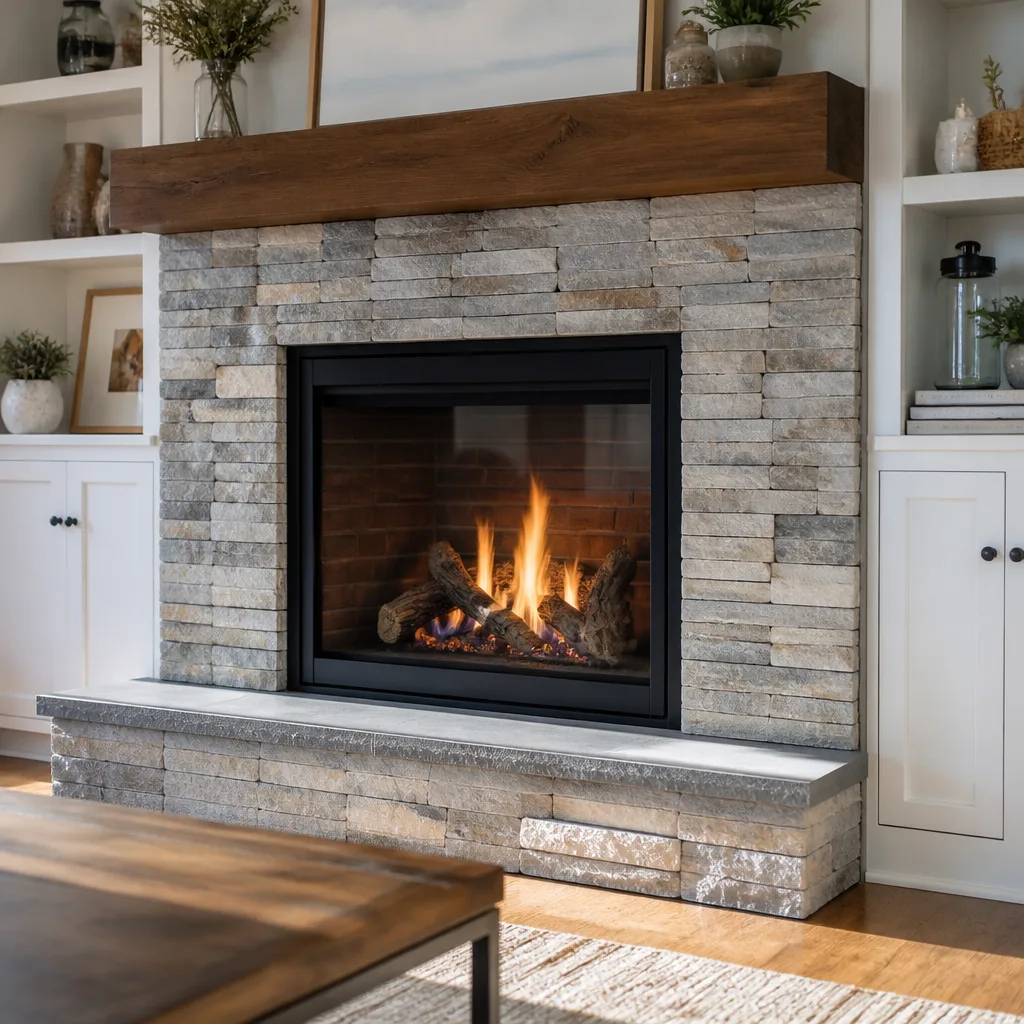 Gas fireplace service
Level 1 sweep and inspection to the NFPA 211 annual standard - flue, crown, cap, and flashing checked and photographed
Chimney sweep logs do not sweep chimneys. They loosen some creosote - which then falls where a brush and vacuum still have to collect it.
DIY vs Professional Chimney Cleaning: The Dana Point Homeowner’s Decision Guide
You can buy a chimney brush kit online for about $40 and run it up your own flue. What that brush cannot do is tell you whether the liner behind the soot has cracked, whether the firebox mortar is failing at the joints, or whether the smoke chamber is coated with glazed creosote that looks like a stain and behaves like fuel. Cleaning is a physical task almost anyone can attempt. Diagnosis is a trained eye plus the right tools, and that is the part that actually determines whether your chimney is safe to burn. This guide lays out honestly what you can do yourself, what requires a professional, and why the low-use fireplace habits common in Dana Point homes make the diagnostic half of a visit more valuable, not less.
Quick Answer
A homeowner can safely remove surface soot and creosote from an accessible flue with the right brush and rods, and can visually monitor the exterior of the chimney between visits. A homeowner cannot perform a Level 1 inspection, assess liner integrity, detect early-stage firebox or crown damage, or evaluate creosote glaze that has hardened into a combustible layer. Professional cleaning in Dana Point combines deposit removal with a documented inspection of the full system, and it is the inspection, not the sweeping, that tells you whether the chimney is safe.
Styles & brands we work with
- Sweep & inspection
- Caps & crowns
- Flue relining
- Masonry repair
- Gas fireplace service
Table of Contents
- What professional chimney cleaning actually involves
- What DIY can and cannot do
- Why the diagnostic half matters more in Dana Point
- The Level 1 inspection: tools and training DIY can’t replicate
- Creosote, low-use burning, and how risk accumulates
- Liability and insurance when you’ve done the work yourself
- The one DIY task worth doing: exterior visual monitoring
- When to stop and call someone
What professional chimney cleaning actually involves
A professional chimney cleaning is two jobs scheduled under one visit: deposit removal and inspection. The removal part is what most people picture. The inspection part is what your safety actually depends on, and it is the half that a brush in a homeowner’s hands cannot deliver.
Here is what a properly trained sweep does that a homeowner kit doesn’t cover:
- Assesses the flue before touching it. A trained technician reads the firebox, damper, smoke chamber and flue throat first, then decides which brush or rotary tool suits the liner material. Metal brushes on a clay flue and poly brushes on a stainless liner are not interchangeable choices, and getting the order wrong can score the surface.
- Removes glaze, not just fluffy soot. Stage 3 creosote is hard, tar-like and bonded to the flue wall. A standard brush skips over it. Removing it takes rotary equipment and often a chemical agent.
- Runs a camera where the eye can’t go. Offsets, flue transitions, and the top of the smoke chamber are invisible from the firebox. A camera shows what’s happening there, and photos of what we found are part of a proper report.
- Checks the parts you live with daily. The damper, the firebox mortar joints, the crown at the top of the chimney, and the cap screening all get inspected because each is a failure point with its own fix.
- Documents the condition. A written or photographic record of what was found gives you a baseline for next year and something to hand an insurer if a claim ever comes up.
One point most sweeps won’t tell you: the deposit removal is the easy half. On a well-maintained flue, the cleaning itself is often quick. The inspection runs longer than the sweep. That ratio is the whole argument for hiring this out in Dana Point, where fireplaces see less use than in colder parts of the country and the burned material is often lighter but the structural condition of the flue is where the actual risk lives.
If you want a baseline on your system before deciding anything, a chimney inspection gives you the written record first and the decision second.
What DIY can and cannot do
DIY chimney cleaning removes loose soot and light creosote from a straight, accessible flue. That is a real and honest capability. It is not nothing, and for a fireplace used lightly with a clean-burning fire, a homeowner can keep the flue surface reasonably clear between professional visits. What DIY cannot do is inspect the system. Those are two very different jobs, and the confusion between them is where most of the risk in this debate sits.
What DIY can realistically do:
- Brush loose soot from a straight flue that is correctly sized for a standard brush.
- Vacuum the firebox floor after the sweep.
- Remove the grate and clean the firebox walls of light surface soot.
- Check the damper opens and closes fully.
- Look up the flue from the firebox with a light at the condition of the first few feet.
- Inspect the exterior chimney and cap from the ground, which we cover in detail later.
What DIY cannot do:
- Detect a hairline crack in a clay flue tile or a pinhole in a stainless liner. Both are catastrophic during a fire and neither is visible from inside the firebox.
- Assess the smoke chamber. That sloped shelf above the damper is where creosote accumulates and ignites most chimney fires, and it takes specific tools to see and clean.
- Evaluate glaze-stage creosote. A homeowner brush will not remove it, and it is the most combustible layer there is.
- Inspect the crown for cracking and the mortar joints for spalling. Both are water-entry points, and water damage is the most common cause of structural decline.
- Document the condition for insurance or future reference. Without a written record, you have no baseline.
- Tell you the honest answer to the most important question: whether the flue is safe to use tonight.
There is a mechanical reason the DIY half is limited too. Flues are rarely straight. Most have at least one offset where the chimney was routed around framing, and the top of the smoke chamber is a shelf that a brush passes over without cleaning. The equipment to reach those spots is a rotary system with flexible rods and a camera. That is not a homeowner purchase.
Why the diagnostic half matters more in Dana Point
Coastal Southern California has an unusual fireplace pattern: fewer burns per season than a northern climate, but often more per year than a Southern California homeowner with central heating would guess. Dana Point homes use their fireplaces in short, concentrated bursts on cool evenings in the winter and on foggy mornings, then go months dormant. That pattern changes how risk accumulates, and it makes the diagnostic part of a professional visit more valuable, not less.
Here is why the low-use pattern matters:
- Risk accumulates season to season, not week to week. A Dana Point fireplace burned twenty times this winter and not at all in July still has last winter’s creosote on the flue wall. That deposit doesn’t disappear between seasons. It hardens. It cures. A flue that looked fine in autumn may be glaze-covered by the following spring.
- Slow, cool fires produce more creosote per burn than a hot fire. A homeowner who burns a slow, smoldering fire on a cool evening deposits more creosote per cord of wood than someone running a hot fire in a stove. Low-use, mild-climate burning patterns often produce a disproportionately heavy creosote load relative to the number of fires burned.
- Long dormant periods mean moisture sits on the crown and cap. The crown at the top of the chimney is exposed to everything Southern California weather throws at it, and a hairline crack in the crown lets water in during the off-season. Water soaks into the flue, feeds spalling in the masonry, and rusts liner components. You will not see this from the ground and you won’t see it from the firebox. It takes a technician on the roof.
- Fireplaces often sit idle long enough for small problems to grow. A minor crack discovered in October, before the burning season starts, is a small repair. Discovered in January with a fire in the box, it’s an emergency.
The practical takeaway: in Dana Point, the value of a professional visit is weighted toward the inspection. A light-use fireplace may not need much sweeping on a given visit, but the condition of the liner, crown, and smoke chamber is exactly what a trained eye is there to check, and it is exactly what you can’t check yourself. If you want the full scope of that work explained, a proper chimney sweep visit combines both in a single appointment.
None of this is a reason to sweep more often than the flue needs. The industry-standard guideline is a sweep once a year for a fireplace in regular use, and more often if you burn heavily or see glaze. In Dana Point’s mild climate, an annual inspection with a cleaning as needed is the right cadence for most homes, and the technician will tell you honestly if a sweep isn’t warranted this year.
The Level 1 inspection: tools and training DIY can’t replicate
A Level 1 inspection is the basic annual check of a chimney that is accessible and in a known, serviceable condition. It is the inspection your fireplace needs each year, and it is the exact task a homeowner cannot perform with a brush. The distinction matters because a Level 1 is not a checklist walk-around. It is a visual inspection of the accessible portions of the chimney system with the proper tools and the training to interpret what the tools reveal.
The tools required for a Level 1 inspection:
- A high-output inspection light. Not a flashlight. A high-output LED aimed through the firebox into the smoke chamber reveals what plain daylight hides.
- A chimney inspection camera. The camera is what turns an inspection into evidence. Without it, the technician is guessing about the flue above the first few feet.
- Mirrors and reach tools. Angled mirrors let a technician see around the damper and up the smoke chamber without removing the firebox components.
- Moisture meter. Used on masonry to detect water infiltration before it becomes spalling.
- Combustion venting analysis tools. For gas appliances, checking draft and venting requires instruments a homeowner doesn’t own.
The training side matters as much as the tools. A technician trained to perform a Level 1 knows what a hairline flue crack looks like versus a hairline glaze pattern, knows when a crown crack is cosmetic versus structural, and knows when a firebox joint needs repointing versus rebuild. That judgment is not in the tool. It’s in the person holding it, and it comes from having looked at thousands of chimneys.
Why this matters for the DIY debate: a homeowner with a brush has the tool for the cleaning half and none of the tools for the inspection half. And when the flue is dirty and the camera is needed, the inspection cannot happen without the cleaning happening first. The two tasks are linked. Attempting the cleaning half yourself and then skipping the inspection is like washing a car and never checking the brakes.
During the off-season, a Level 1 inspection is the right time to catch small problems while the calendar is on your side. A cracked crown or a loose cap is a minor repair in spring and a possible water-damage claim by fall. If a technician finds damage that calls for a fix, chimney repair is the next step, and you want the same technician doing both halves of the job rather than two contractors who never speak to each other.
Creosote, low-use burning, and how risk accumulates
Creosote is the residue left behind when wood smoke cools on the inside of the flue. It forms in three stages, and only the first is something a homeowner can safely deal with.
- Stage 1: soot and light fluff. Soft, dry, and easily brushed off. This is the stage most light-use fireplaces stay in for the first few seasons. A homeowner brush can remove it.
- Stage 2: hardened crust. Denser and bonded to the flue surface. It takes a proper brush and some technique to remove, and it’s the point where the surface stops being something you can just run a kit through.
- Stage 3: glazed creosote. Hard, shiny, tar-like, and bonded tight to the flue wall. A standard brush skips over it. Removing it requires rotary equipment and often a chemical product. This stage is highly combustible and it is the layer behind the chimney fires that start with a hot ember landing on a heavy glaze coat.
The mild-climate burn pattern accelerates the transition from stage 1 to stage 3 in a specific way. A fire that is burned hot and fast produces less creosote per burn because the flue stays warm enough to carry the smoke up and out. A fire that is burned slow and cool, which is what many Dana Point homeowners do on a cool evening, deposits more creosote because the smoke cools on the flue wall before it exits. Over several seasons of that pattern, creosote that would have stayed fluffy in a hot-burn climate can reach glaze. That is the “test the flue before the burning season, not after” logic. A glaze layer discovered in October is cleaned before it becomes a problem. A glaze layer discovered in January, with fires burning, is a fire risk now.
Our technicians have up to 11 years of experience reading flue conditions and can tell you on sight what stage you’re at and what the visit needs to clear it. If the flue is already in stage 2 or 3, professional rotary equipment is what removes it, and the technician will show you the difference on camera. Nothing gets recommended that a photo doesn’t back up.
One more reason the diagnostic half matters: carbon monoxide. A blocked or damaged flue drafts poorly and can push exhaust back into the room. The physical evidence of a draft problem is subtle, and it is caught reliably by an inspection camera and a draft test, not by eye through the firebox. That’s the strongest argument for a professional inspection on a chimney seeing light use.
Liability and insurance when you’ve done the work yourself
If a chimney fire or a carbon monoxide event occurs after a homeowner has performed chimney work themselves, the insurance picture changes. We are not insurers and can’t advise on your policy, but the pattern is worth understanding before deciding to skip a professional visit.
Homeowner maintenance is covered by most policies. A chimney fire caused by creosote buildup is usually covered when the homeowner performed reasonable maintenance. What complicates a claim is evidence that maintenance was performed and the condition ignored, or that work was done improperly. If you cleaned the flue yourself and skipped the inspection, the fact that you cleaned is a data point that can complicate the claim. If a professional performed the cleaning and inspection, the documentation that records the flue condition before the fire is a useful piece of evidence.
Three things a documented professional visit gives you that DIY cannot:
- A written record of flue condition on a specific date. If water damage or a liner crack develops later, the record shows it was clean and undamaged at the last inspection, or the reverse.
- A trail of recommended repairs. If a technician recommends a crown repair and you decline it, that record exists. If a documented repair was performed, that record exists.
- A camera report. Photos of the flue interior are the clearest evidence available. If a claim is contested, the report is the record that decides the outcome.
The honest framing is this: most homeowners never have a chimney-insurance event, and skipping a visit doesn’t automatically create liability. But a professional inspection is the cheapest way to create a clean record if one ever matters, and it’s a low cost for a system the whole household depends on. That’s the argument. Not fear, but documentation.
The one DIY task worth doing: exterior visual monitoring
There is a real DIY task that makes sense between professional visits, and it’s not in the flue. It’s on the outside. Exterior visual monitoring is a simple, safe habit that catches the most common structural problems early, and it is the one piece of chimney maintenance a homeowner can do correctly with no special tools.
How to do it:
- Stand back from the chimney and look at the crown, cap and mortar joints. The crown is the concrete top of the chimney. Look for cracks, crumbling, or missing chunks. This is the most common water-entry point on a chimney, and a cracked crown lets water into the flue and masonry all season.
- Check that the cap is intact. The cap is the metal or masonry hood that covers the flue opening. It keeps rain and birds out. A missing or damaged cap is a water problem waiting to happen, and it’s a quick repair.
- Look for dark staining on the exterior masonry. Staining on the brick or stucco around the chimney can indicate water damage, freeze damage, or interior creosote leaking through.
- Check the firebox for obvious cracks at the joints. If the mortar between firebox bricks has fallen out in chunks, stop burning and get an inspection. Cracks in the firebox brick factory panels are the same call.
- Test the damper. Open and close it at the start of the season. If it sticks or won’t close fully, that’s a service item.
What this monitoring is not: it is not a substitute for a Level 1 inspection, and a chimney that looks fine from the ground can have a failed liner or a heavily glazed smoke chamber. The visual check is a between-visits habit. It catches a crown crack before it becomes a water-damage repair, and it’s the highest-value thing you can do yourself. If you ever spot something you’re not sure about, photograph it and get an inspection.
If a technician finds damage that warrants a fix, the job often spans fireplace repair as well as the flue work, which is why we handle all of it under one company rather than handing the repair half to a separate contractor.
When to stop and call someone
There is a specific list of situations where DIY chimney work stops and a professional is the right answer. We’d rather you call than wish you had.
- Any suspected liner crack or damage. A hairline crack in a clay flue or a pinhole in a stainless liner is not something a homeowner can safely diagnose or fix. It is also not something to test with a fire.
- Glaze-stage creosote. If your brush passes over hard, shiny, tar-like deposits without touching them, the flue is at stage 3 and needs rotary equipment, not a homeowner kit.
- Smoke rolling back into the room. A backdraft is a draft problem or a blockage, not a cleaning problem. Both need an inspection.
- Any recommendation of repair from an inspector or insurance adjuster. If you’ve been told the liner, crown, or firebox needs work, a documented diagnosis from a second opinion is worth the visit, and it’s free to ask.
- Before the first fire of the season, if you haven’t had an inspection in over a year. The safest time to book is before you light up, not after.
If you’re in Dana Point and want a straight answer about what your chimney needs, we can help. Chimney Sweep Dana Point offers free estimates in Dana Point – call (844) 625-7380. We answer 24/7. Fast dispatch from 7am to 7pm, Sunday through Friday.
Common Mistakes to Avoid
- Skipping the inspection because the cleaning was done. A swept flue is not a safe flue. The two jobs are separate, and skipping the inspection is exactly how a hairline crack goes unnoticed until a fire event. If you clean, schedule the inspection.
- Running a steel brush up a stainless liner. Metal brushes score the liner surface and can shorten its life. A poly brush is the correct tool for a stainless flue, and a technician will tell you which brush your liner needs on sight.
- Assuming low use means no creosote. In Dana Point’s mild climate, low-use fireplaces often produce heavier creosote per burn than high-use fireplaces, because the fires run slower and cooler. A light-use fireplace still needs an annual inspection and a sweep as needed.
- Cleaning the flue but ignoring the crown. The crown is the most common water-entry point on a chimney, and a crack in the crown lets water into the flue every off-season. Water damage is the leading structural problem, and a professional visit should always include a crown check.
- Doing your own work right before winter and assuming the fireplace is safe. The pre-season inspection has to happen before the burning season, and a small repair in autumn is a much smaller problem than a fire in January. Book the visit before the first fire, not after.
- Not documenting the condition of the flue. A camera report and written record are the homeowner’s insurance against future questions. If you clean yourself and skip the report, you’ve given up the record that would matter if a claim ever came up.
- Believing a cheap brush kit covers the same ground as a professional cleaning. It covers the removal half reasonably well. It covers none of the diagnostic half, and it is the diagnostic half that determines whether the chimney is safe.
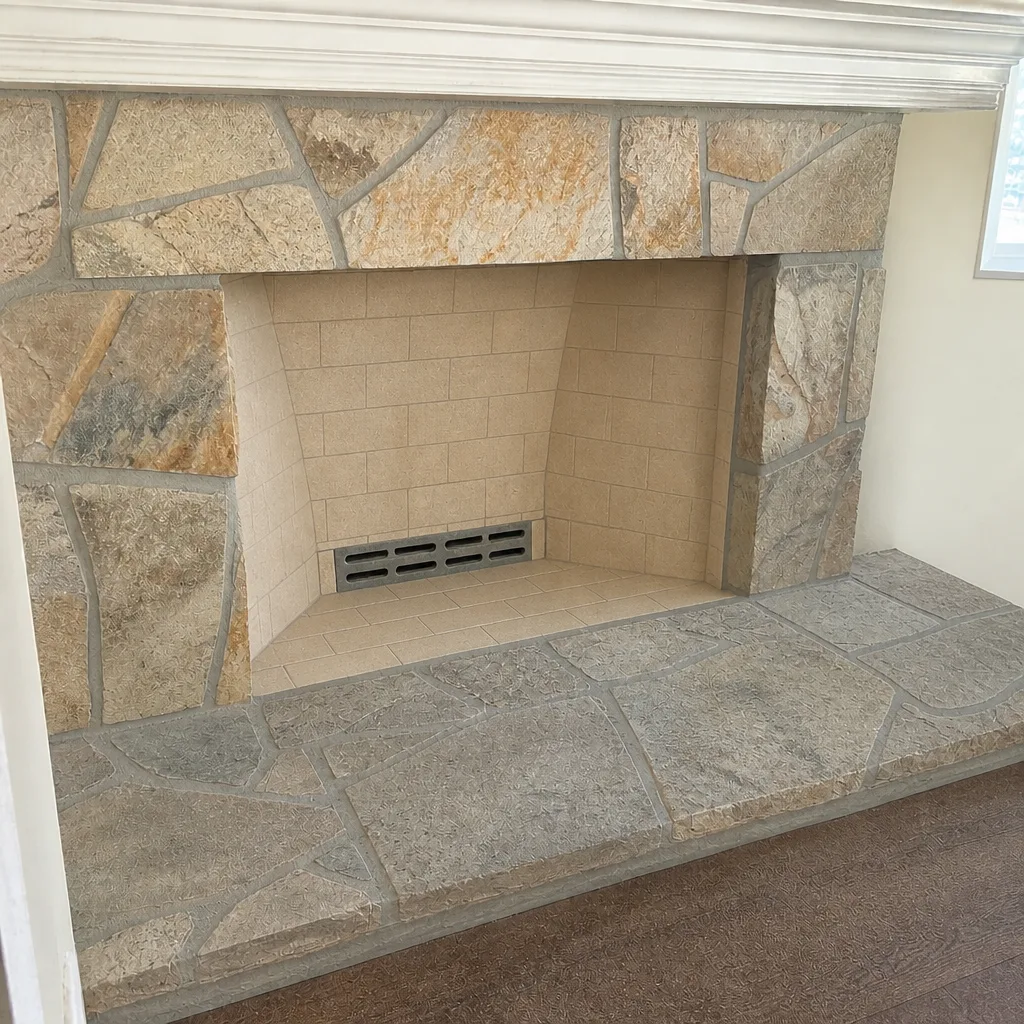
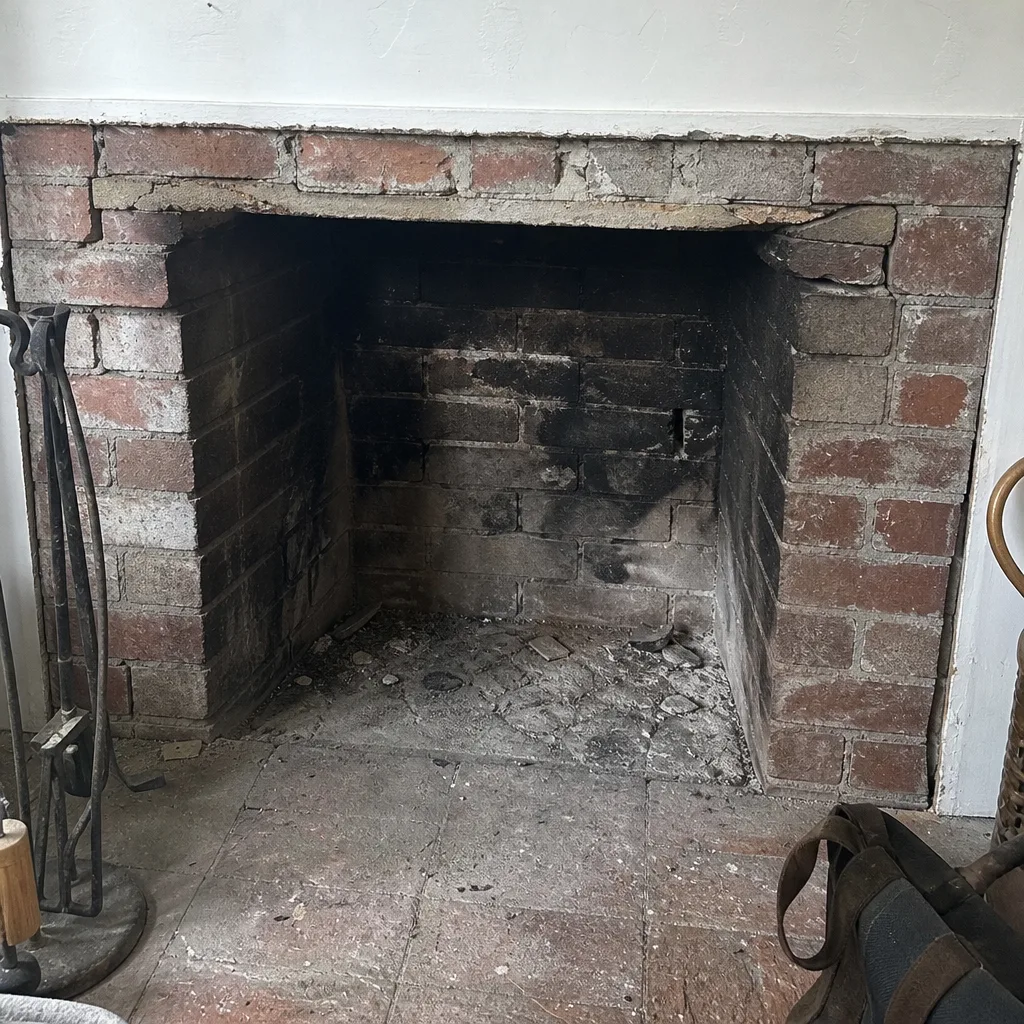
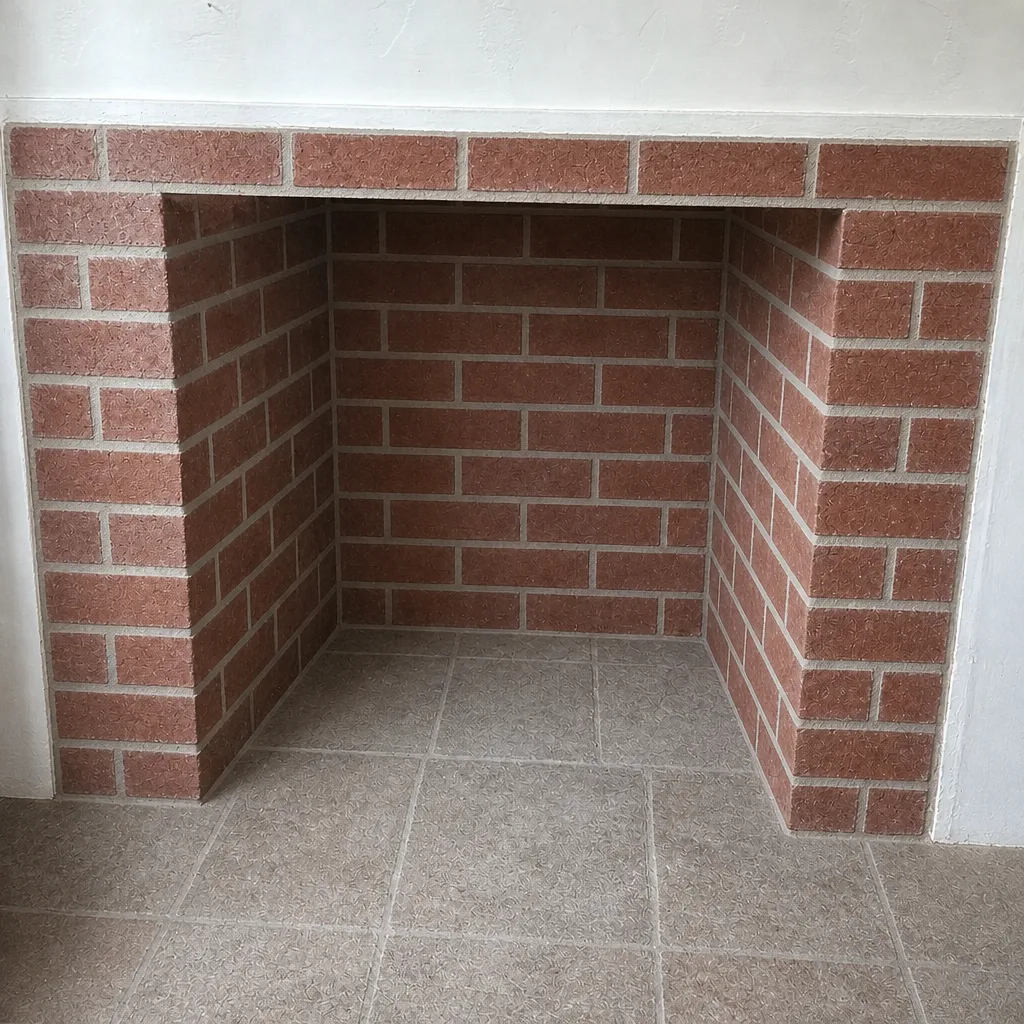
See the difference
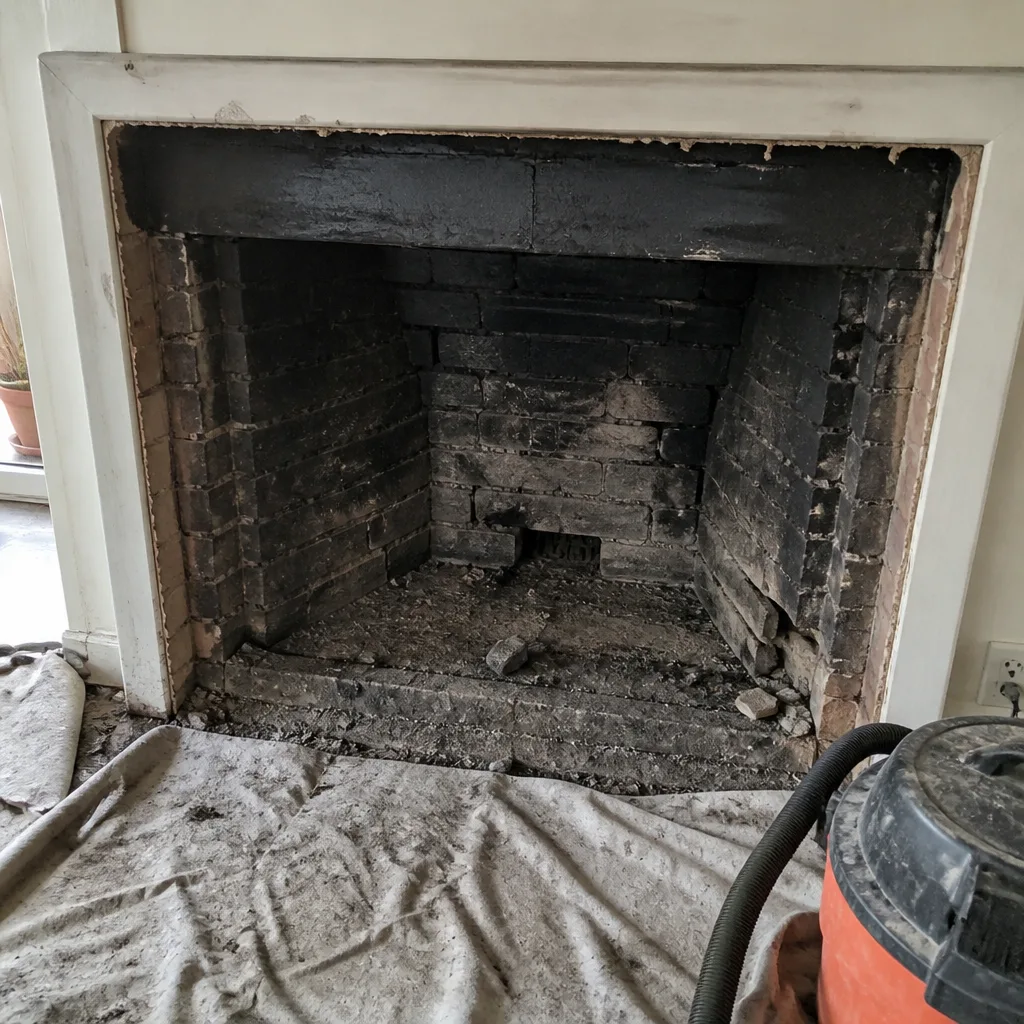 Before
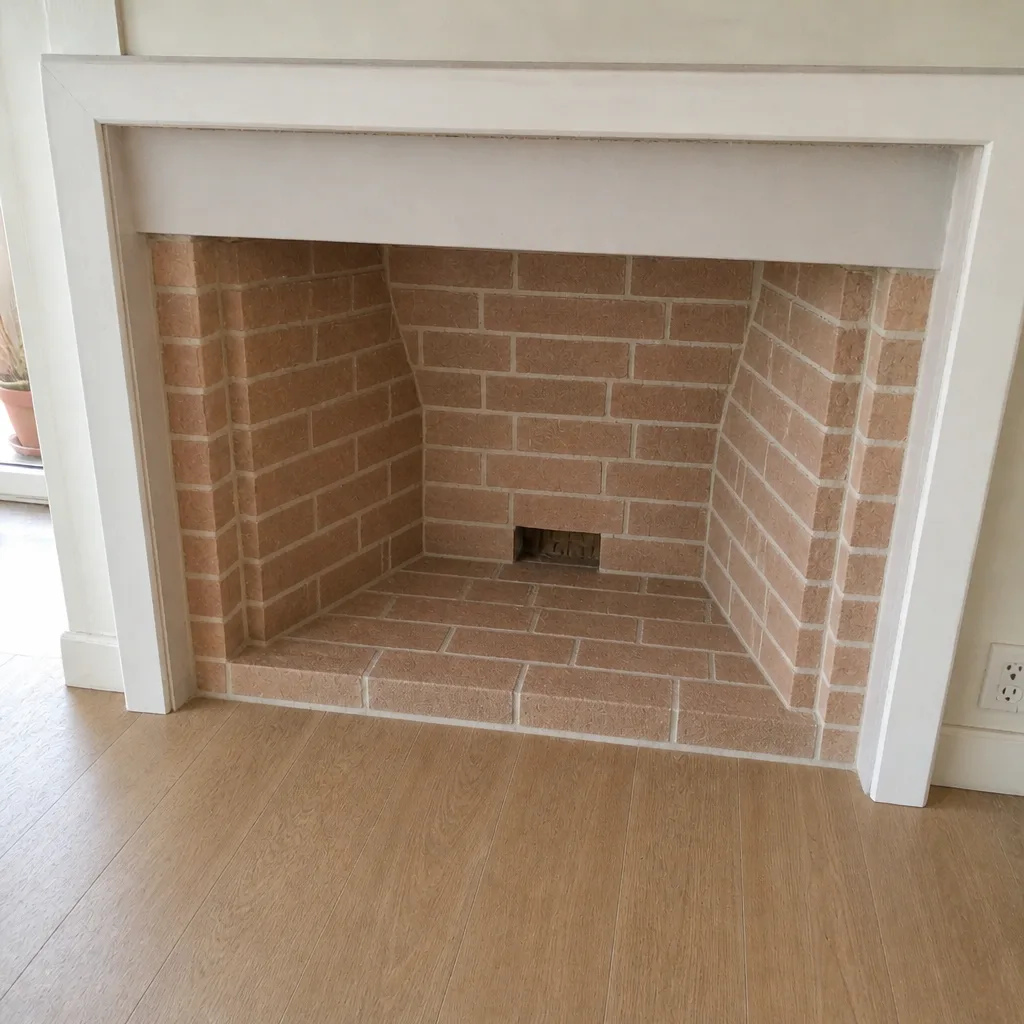 After
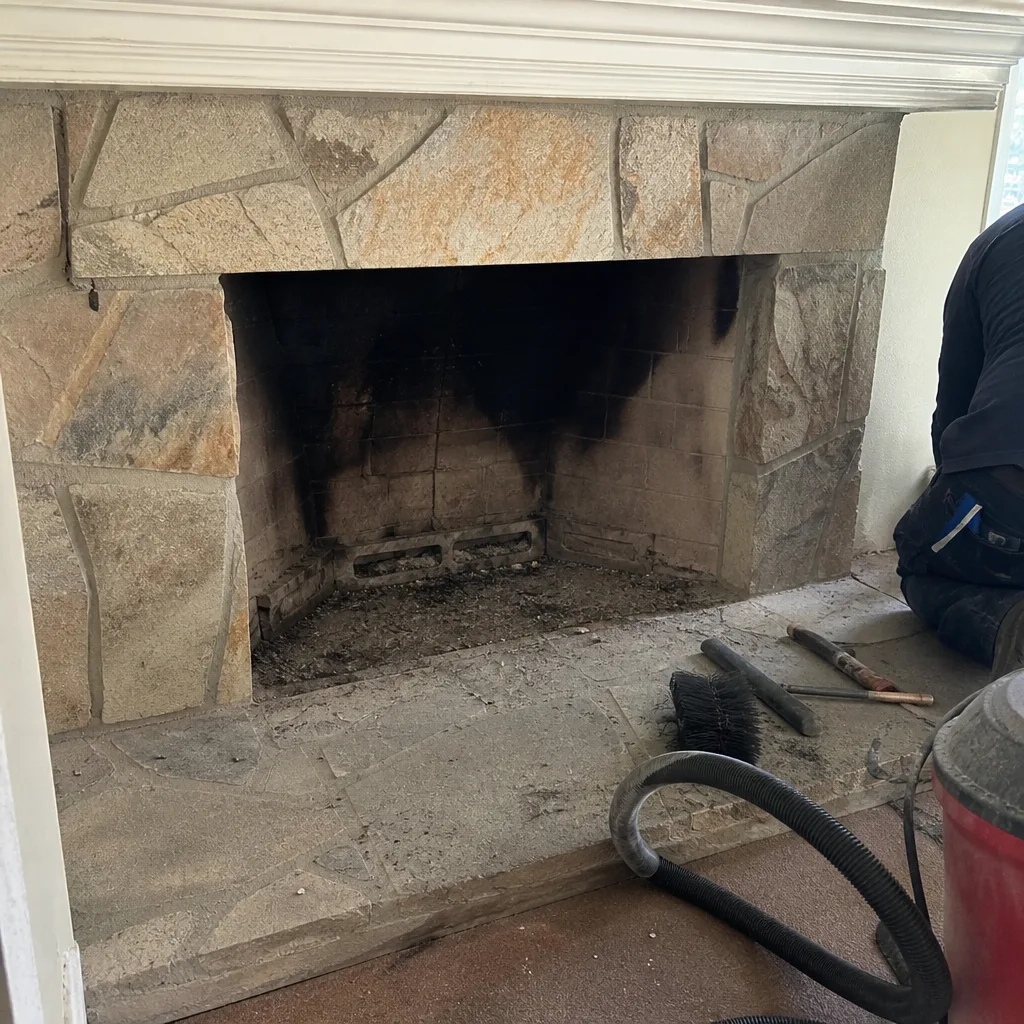 Before
 After
 Before
 After
When to Call a Professional
Call a professional when there’s a suspected liner issue, when the creosote has reached glaze stage, when smoke is rolling into the room, or when an inspector or adjuster has flagged repair work. Call before the first fire of the season if you haven’t had an inspection in a year or more. Call when you’ve done your own cleaning and want a documented assessment of the flue above the firebox. Chimney Sweep Dana Point offers free estimates in Dana Point – call (844) 625-7380. We answer 24/7. Fast dispatch from 7am to 7pm, Sunday through Friday. We handle inspection, cleaning, cap and crown work, liner replacement and repair under one company, so a visit that starts as a cleaning and turns into a repair you can see on camera doesn’t require a second contractor.
Frequently Asked Questions
It’s safe to brush surface soot from a straight, accessible flue with the correct tools, and it’s not safe to skip the inspection that should follow. The cleaning half of the job is manageable for most homeowners. The inspection half, which involves checking liner integrity, the smoke chamber, the crown, and the cap, requires tools and training a homeowner kit doesn’t provide. If you clean your own chimney, book an inspection separately, and make it a habit every year. Call (844) 625-7380 for a free estimate.
Once a year for a fireplace in regular use, and more often if you burn heavily or see hard, shiny deposits on the flue walls. Dana Point’s mild climate means many homes burn fewer days per season than colder regions, but that doesn’t lower the need for the annual inspection, because risk accumulates season to season rather than day to day. A sweep is done as needed once the inspection tells you what’s there. Call (844) 625-7380 for an exact quote – estimates are free.
A homeowner with a brush can remove surface soot and light creosote from an accessible flue. A professional sweep removes deposits and then inspects the full system with a camera, high-output lighting, and training that lets them read the condition of the liner, smoke chamber, firebox, crown, and cap. The removal half is where DIY overlaps with professional work. The diagnostic half is where it doesn’t. Call (844) 625-7380 to book an inspection that includes both.
Sometimes, from the firebox, but not reliably. If the flue walls above the damper are thickly coated, if you see hard shiny deposits, or if the fire smokes back into the room, cleaning is needed. What you cannot assess from below is the condition of the liner, the top of the smoke chamber, or the crown at the top of the chimney. Those need a trained technician on site. Call (844) 625-7380 for a free estimate.
Homeowner maintenance is generally covered by most policies, and cleaning the flue yourself does not automatically put a claim at risk. What matters is whether the maintenance was performed properly and whether the condition of the flue was documented. A professional inspection with a camera report creates a written record of the flue condition on a specific date, and that record is useful evidence if a claim is ever contested. We can’t advise on your individual policy, but we can put the documentation in your hands. Call (844) 625-7380 for a free estimate.
Check the exterior of the chimney from the ground: look at the crown for cracks, confirm the cap is intact, check for dark staining on the masonry, test that the damper opens and closes fully, and check the firebox joints for crumbling mortar. That visual monitoring catches the most common structural problems early and costs nothing. Anything you’re not sure about, photograph it and get an inspection. Call (844) 625-7380 for a free estimate on the inspection.
The Bottom Line
DIY chimney cleaning is a real option for the removal half of the job, and it’s a poor substitute for the diagnostic half. You can brush soot from a straight flue. You cannot tell whether the liner behind the soot is cracked, whether the smoke chamber is coated with glaze, or whether the crown let water in last winter. In Dana Point’s mild burning climate, those conditions accumulate slowly and the annual inspection is where the real value sits. Our technicians have up to 11 years of experience reading flue conditions, and we work with trade-grade products from DuraFlex, HeatShield, Gelco, and Copperfield so a repair is done with materials built to outlast the quick fix. Nothing gets recommended that a camera report doesn’t back up, and we’ll tell you plainly when work can safely wait. Call (844) 625-7380 for a free estimate. We answer 24/7. Fast dispatch from 7am to 7pm, Sunday through Friday.
Written by the team at Chimney Sweep Dana Point.