
Last updated November 25, 2026
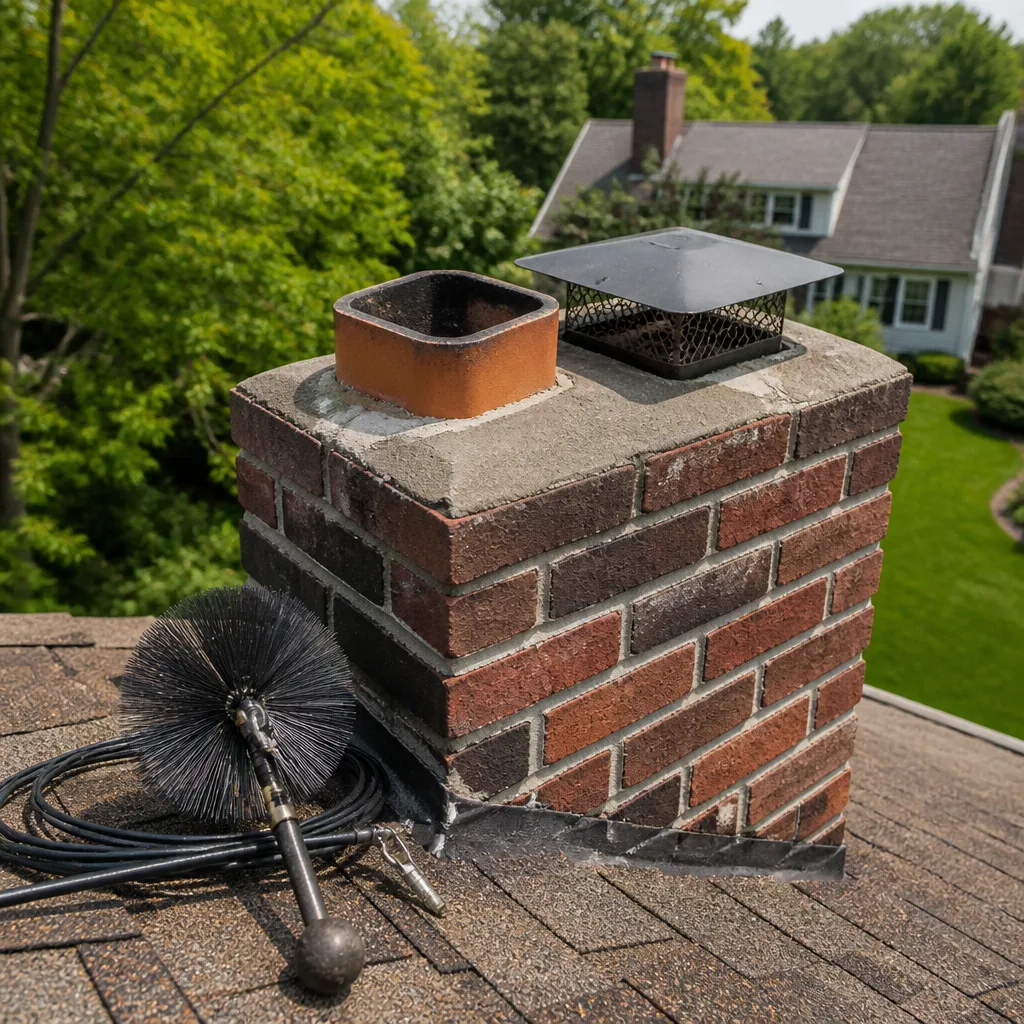 Sweep & inspection
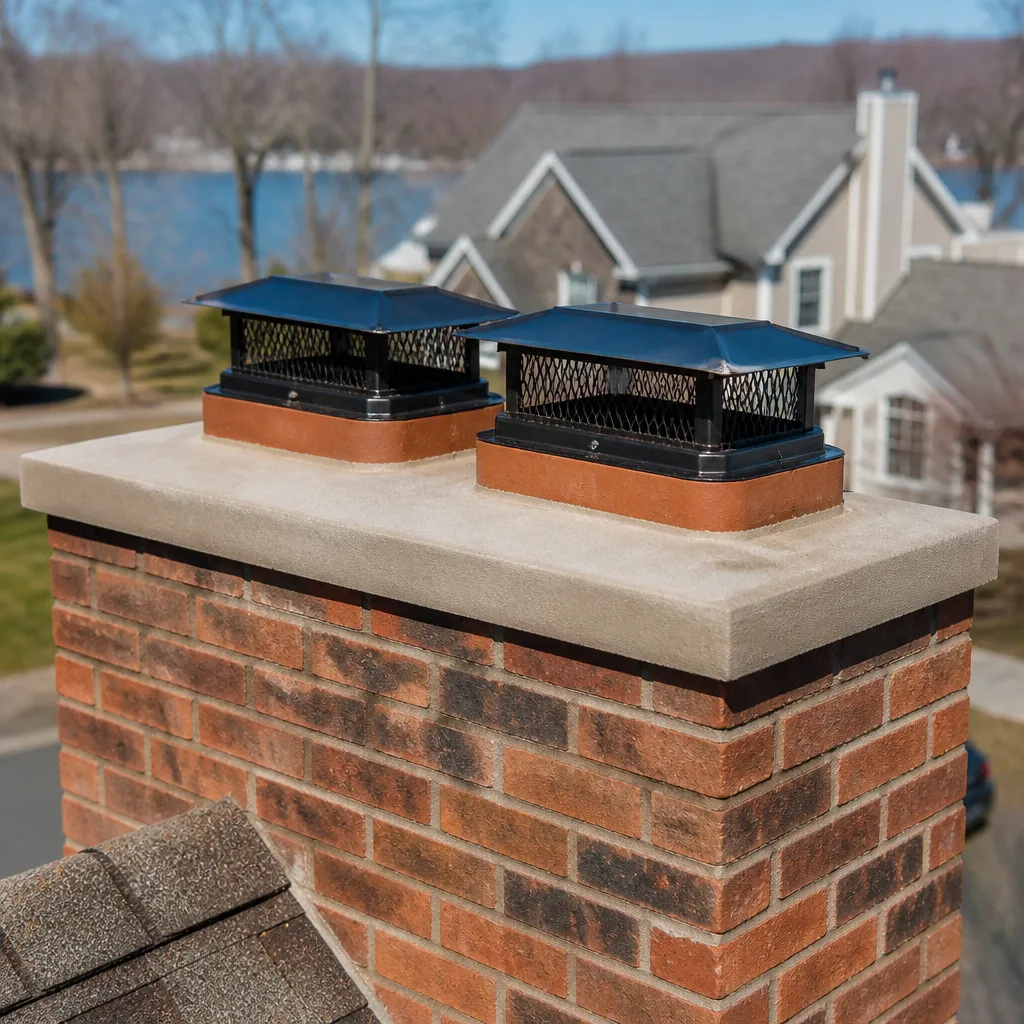 Caps & crowns
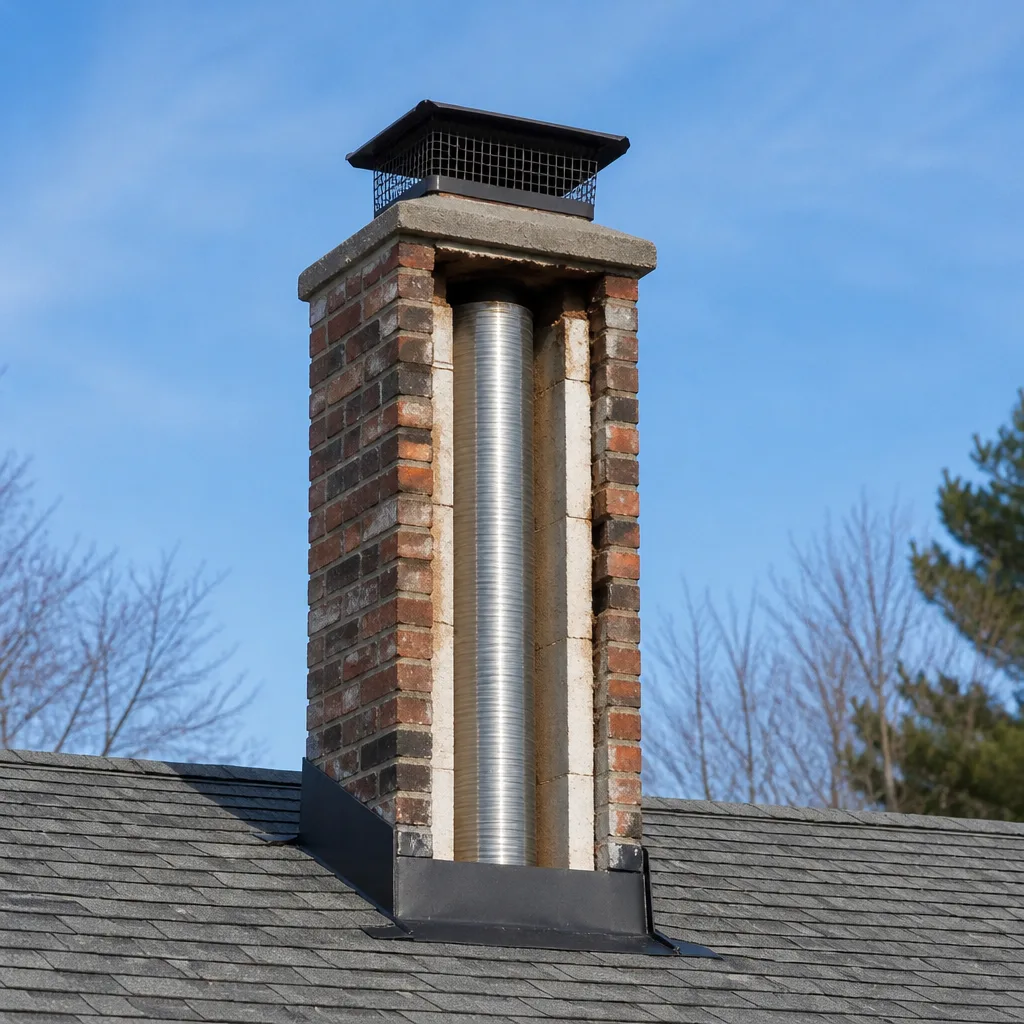 Flue relining
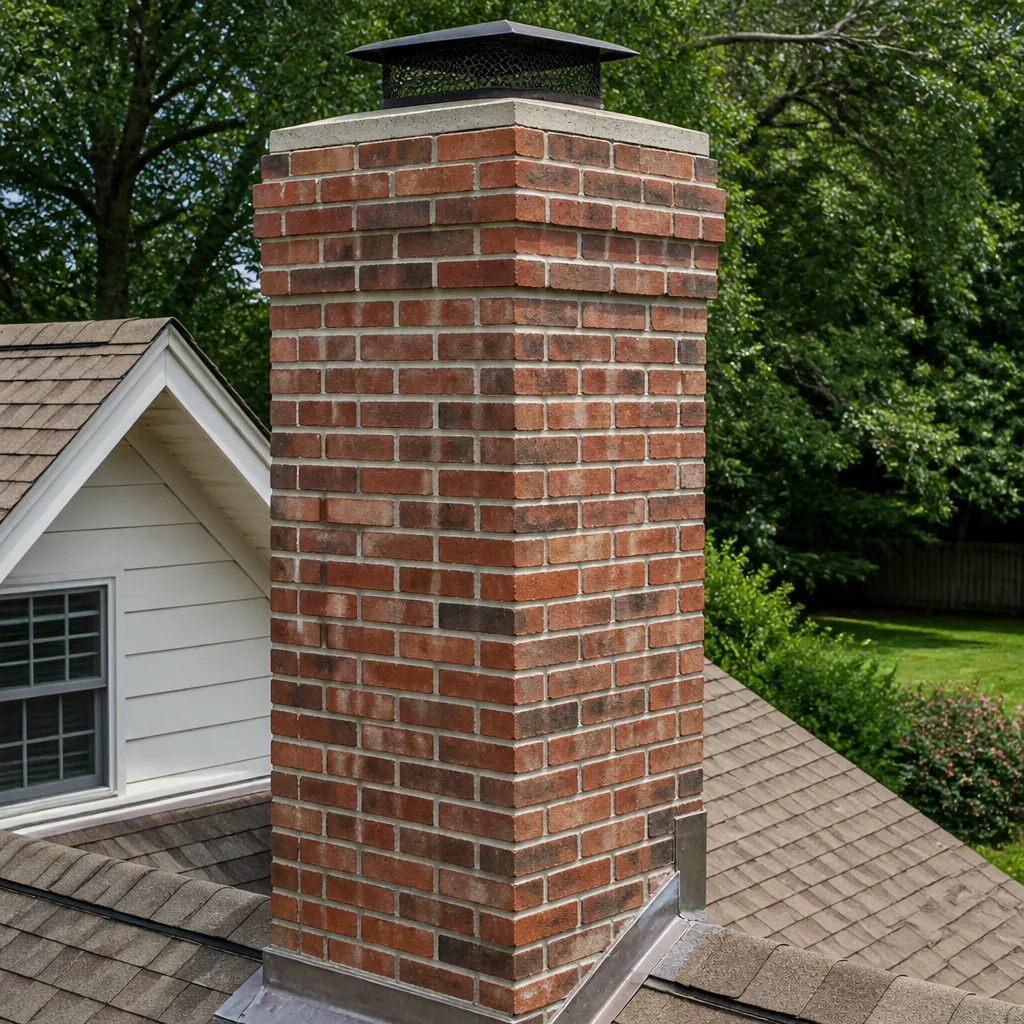 Masonry repair
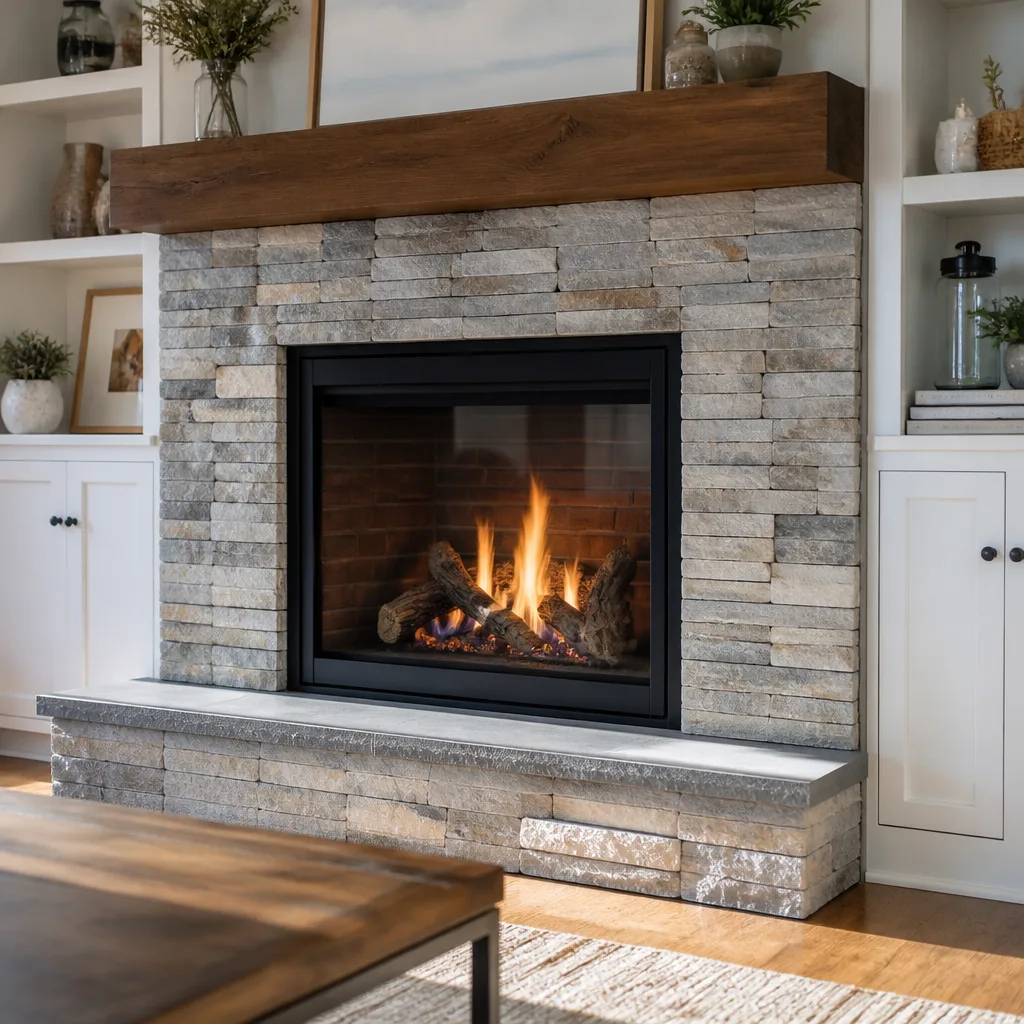 Gas fireplace service
Level 1 sweep and inspection to the NFPA 211 annual standard - flue, crown, cap, and flashing checked and photographed
Chimney sweep logs do not sweep chimneys. They loosen some creosote - which then falls where a brush and vacuum still have to collect it.
Chimney Cleaning Warning Signs: A Dana Point Homeowner’s Reference Guide
Most chimney warning signs get framed around dramatic events: a roar in the flue, a puff of smoke into the living room, a stain spreading across the ceiling. Those matter, but they arrive late. The indicators that matter most in Dana Point homes are quieter, and they build over months rather than minutes. A white bloom on the outside of the chimney. A smell after rain. A fireplace that draws fine and gives no reason to think about it. This guide walks through what each of those signs actually means, what it doesn’t mean, and which findings mean stop burning tonight.
Quick Answer
The warning signs that matter most in Dana Point are efflorescence on the outer masonry, receding mortar joints, spalling brick faces, persistent odor after rain, and a flue that has never had a camera or full inspection. A fireplace can burn well and still have a compromised liner, which is why a Level 1 inspection looks beyond what you can see from the hearth. White staining is water moving through brick, not cosmetic wear.
Styles & brands we work with
- Sweep & inspection
- Caps & crowns
- Flue relining
- Masonry repair
- Gas fireplace service
Table of Contents
- Exterior warning signs on Dana Point masonry
- Indoor warning signs that get misread
- Why a fireplace that works fine can still have a failing liner
- What a Level 1 inspection actually checks
- Warning signs specific to gas log inserts
- Monitor it versus stop using it
- How Dana Point’s climate and low-use habits hide problems
- What chimney cleaning involves here
Exterior Warning Signs on Dana Point Masonry
A white stain on your chimney’s exterior isn’t cosmetic damage. It’s efflorescence, and it means water is moving through the masonry from inside the wall outward, carrying dissolved minerals with it. The stain itself is harmless. The path the water takes is not, because every wet-dry cycle pushes brick and mortar closer to the failure that follows.
Water is behind nearly every structural chimney problem we diagnose in Dana Point. The visible signs progress in a rough order of urgency:
- Efflorescence – the white, powdery bloom. Early, fixable, and a clear indication that the chimney is absorbing water.
- Mortar joint recession – joints worn back from the brick faces by a quarter inch or more. Water sits in the recessed joints and the wall loses structural continuity.
- Spalling – brick faces peeling, flaking or coming loose. Once spalling starts, the water has reached the point of freezing the masonry open from within, and patching individual bricks treats the symptom rather than the source.
- Rust stains below the flue or on the firebox – the metal chase cover, cap or damper is failing and water is getting past it.
- Dark streaks below the crown – the crown has cracked, and drainage is running down the face instead of off the shoulder.
The most common source of all of this in Dana Point is the cap and the crown. A missing, loose or undersized cap lets rain straight down the flue. A cracked crown lets water into the top of the masonry, where it works downward. Both are routinely missed by a cleaning-only service that spends its time inside the firebox and never gets on the roof.
Indoor Warning Signs That Get Misread
Odor is the most misread signal in a chimney, because the type of smell points to a specific problem. Homeowners often describe a smell and get told it’s “just” creosote or “just” a bit of damp. Those aren’t the same thing, and they need different responses.
- Smoky, acrid smell after rain, strongest in warmer weather – creosote in the flue has absorbed moisture. Water re-dissolves oily deposits and the smell releases back into the house. The moisture came in through the cap or crown, and the creosote has been quietly building up from repeated light fires.
- A sour, musty or earthy smell – water infiltration into the masonry itself, sometimes absorbed into the smoke chamber or firebox brick. This is distinct from a creosote smell: it’s less sharp and more like a damp cellar.
- A sharp, animal odor, often with scratching or a chattering sound – birds or chimney swifts in the flue. A properly fitted cap with a bird screen prevents this entirely. A gap between the cap and the flue is the usual entry point.
- Smoke smell that doesn’t fade – a partial blockage, an undersized flue for the fireplace opening, or a pressure problem in the room. Don’t dismiss this as a fireplace that “always does that.”
- No smell at all after months of use – not necessarily good news. The quieter the system is, the easier it is for a slow liner problem to go unnoticed.
Chimney Sweep Dana Point inspects the interior by camera, not by flashlight from the hearth. The picture is usually the deciding evidence.
Why a Fireplace That Works Fine Can Still Have a Failing Liner
Contrary to common expectation, a fireplace that draws well and burns clean doesn’t prove the liner is intact. Draw depends mostly on flue height and temperature. Liner integrity depends on the bore of the flue and the material of its walls, which you can’t see from below with a flashlight.
Clay tile liners, common in Dana Point homes, are laid in short sections with gaps at each joint. Over years of expansion and contraction, and with moisture working into those joints, a tile can crack or a mortar seal can crumble. The gaps between tiles are the classic failure point: combustion gases and smoke can escape through a cracked joint and pass through the space between the liner and the outer masonry. What escapes into that space can re-enter the house through another opening, or work its way outward through the brick. Carbon monoxide doesn’t announce itself. This is why nobody should use a fireplace without knowing what the inside of the flue looks like.
Most chimneys will keep burning after a liner begins to open up. People keep using them. The first sign is often a lingering smell, a puffing fire or a white stain outdoors. When a liner is damaged beyond sealing, the fix is a new lining. We install DuraFlex flexible liner systems, which are built for the older and irregular flues that many Dana Point homes have. A hard, round liner won’t drop into a flue that isn’t perfectly straight; a flexible one will. Trade-grade material, properly sized to the flue and to the fireplace opening, is what closes the gap.
Our technicians have up to 11 years of experience inspecting flues and reading liners, and the reports are honest about what can safely wait.
What a Level 1 Inspection Actually Checks
A Level 1 inspection is a look at the chimney you can reach without demolition or tools: the firebox, the damper, the smoke chamber where reachable, the flue from the top and bottom, the crown, the cap and the visible exterior of the chimney. It is the standard check-in inspection, and it’s what a routine cleaning is based on.
What it catches that a visual-only checklist misses:
- The condition of the flue interior, top to bottom, including the joints between tile sections.
- The damper and its seal, which is where smoke spills begin.
- The smoke chamber, where rough parging traps creosote and soot, and where HeatShield resurfacing can sometimes solve a problem that looks structural. HeatShield requires product-specific training to apply, which is why many local sweep operations skip it entirely.
- The crown and the flashings, the two places water intrusion usually starts.
- The cap and its bird screen, which is the single cheapest fix against wildlife and rain.
What it does not catch: defects hidden behind masonry, hidden liners or blockages missed by a simple visual pass. If anything on the Level 1 turns up suspicious, the next step is a Level 2, which adds a camera inspection of the whole flue. This is the most common reason we recommend one. A Level 1 tells us something is going on; the camera tells us exactly what and how much.
Warning Signs Specific to Gas Log Inserts
Gas log fireplaces don’t burn wood, so most chimney guides barely mention them. In Dana Point they’re everywhere. A gas insert still needs the flue swept and inspected. The warning signs are different:
- A yellow, lazy flame where it used to be blue – often incomplete combustion or debris in the burner. It’s a sign to call, and a sign not to run the fireplace until it’s checked.
- Soot on the log faces – combustion is off. The air shutter, the gas pressure or the log placement may be wrong.
- Odor or a “gas” smell when the fireplace is off – don’t rely on a home test. Turn it off and get a professional out.
- A cold, damp smell in summer – the damper has been left open, or the chimney has no proper cap, and outside air and moisture are coming back down the flue. This is very common with gas logs and often gets blamed on the fireplace itself.
- Dust or a fine dark film on furniture after use – incomplete combustion sending airborne soot into the room.
- Never checked since installation – a gas fireplace installed years ago may never have had a chimney inspection. If you don’t know when it was last opened up, that’s the sign.
Our full scope runs from inspection through fireplace repair, so a gas-log problem doesn’t get handed to a second contractor. If the logs fail and the fireplace needs repair, that’s the same job.
Monitor It Versus Stop Using It
An inspection report isn’t a to-do list of work. It’s a description of the system’s condition, and the honest job is to separate findings that need action from findings that only need watching.
Findings that typically mean stop using the fireplace until repaired:
- A cracked flue tile or a visible gap at a liner joint.
- A missing or damaged cap that is letting water or animals straight into the flue.
- Heavy creosote deposits, or any glazed, shiny creosote. It’s the glazed form that ignites.
- A damaged or missing damper, or a firebox with broken or missing bricks.
- A gas log insert with sooting or a flame that isn’t burning clean.
Findings that can usually be watched:
- Light surface rust on a cap or chase cover.
- Minor mortar joint erosion that’s not yet exposing brick faces.
- Early efflorescence with no spalling.
- Soot or a light film that cleans off easily.
Every finding in a Chimney Sweep Dana Point report is documented with photos we show and explain. Nothing gets recommended on the strength of “trust me,” and if work can safely wait, we say so. A report you can’t verify is worth very little, and we’d rather you see the evidence yourself.
How Dana Point’s Climate and Low-Use Habits Hide Problems
Dana Point’s winters are mild, which is the root of the problem. A fireplace here often burns a handful of times a year, sometimes less. Gentle, occasional use means creosote builds slowly, and the moisture that comes with an on-off pattern doesn’t dry out as thoroughly as a hard-used chimney would.
Coastal fog feeds the masonry. Moisture gets into brick and mortar over a period of days, then slow drying pulls it back out. That cycle is what drives efflorescence and spalling, and it happens without a single piece of firewood burned.
Another factor: with low use, no one notices a gradual loss of draw. The fire that “used to be fine” and now smokes or feels weaker is a symptom of buildup, not of a fireplace that has changed. In a full-time burning household, you’d see the change in a season. In Dana Point, it may go unnoticed for years.
As a result: a Level 1 inspection and cleaning every year is the rule for a working fireplace, and worth it even for a fireplace in light use. Most of the serious interior findings we see in Dana Point are on fireplaces that were “working fine” and used once or twice a year.
What Chimney Cleaning Involves Here
A chimney cleaning is a sweep of the flue and firebox, plus an inspection that verifies the system is safe to use. We do it in a set order:
- Protect the hearth and the floor around it before any tool goes in.
- Check the firebox, damper and smoke chamber, and note the condition.
- Sweep the flue from top to bottom or bottom to top, depending on the setup, with a brush sized to the flue.
- Vacuum the firebox with a tool that captures the fine dust, and bag the debris for removal.
- Inspect the flue interior by camera so we can see the liner joints and any cracks.
- Inspect the crown, cap and flashings from the outside.
- Report what we found, with photos, before recommending anything.
The cleaning fee is agreed in writing before we book. The written estimate sets the final price, and our estimate is free. If the inspection turns up something the cleaning didn’t cover, you’ll see it and know whether it’s a repair worth doing now or a problem to watch.
Common Mistakes to Avoid
- Treating white staining as a cosmetic issue. Efflorescence is water leaving the masonry and taking minerals with it. Paint over it and the water has to go somewhere else, usually deeper into the brick.
- Deciding the fireplace is fine because the fire lights. Draw is not a test of liner integrity. Only a camera check answers that.
- Skipping the inspection because the fireplace is used only occasionally. Low-use fireplaces in Dana Point often hide creosote and water intrusion for years. A single annual check is the cheapest way to catch it before it reaches the structure.
- Assuming gas log inserts don’t need a chimney inspection. They do. The flue still collects debris, and a gas insert can still vent badly.
- Calling the first price on the phone and skipping the camera. A camera inspection and a photo report are what let you verify the recommendation. Without them, you’re taking a stranger’s word for a masonry bill.
- Letting a roofer or mason handle cap and crown work in pieces. Cap and crown are the most common points of water entry on a Dana Point chimney, and they should be done together with the liner assessment, not split across two contractors.
- Leaving a missing cap for “later.” A cap is the cheapest protection against water, birds and swifts entering the flue. A missing one is not a small finding.
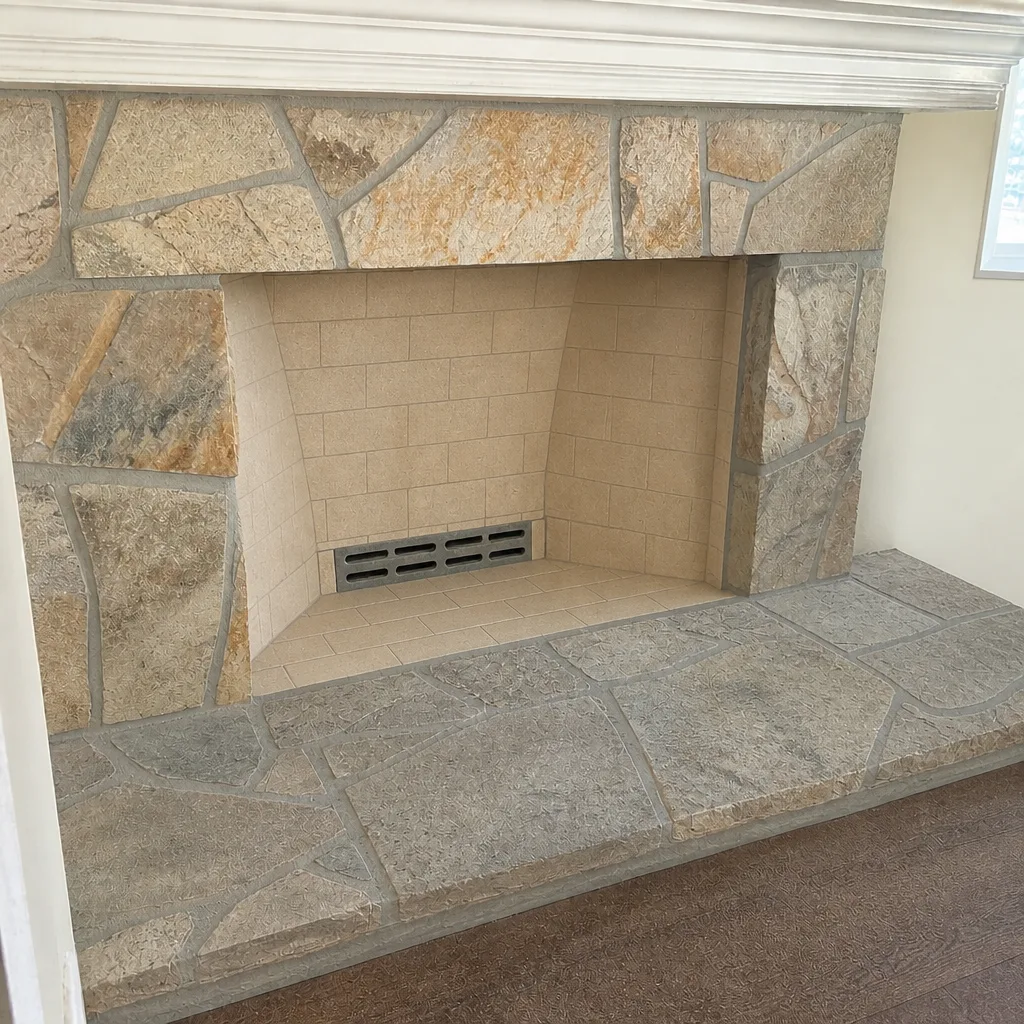
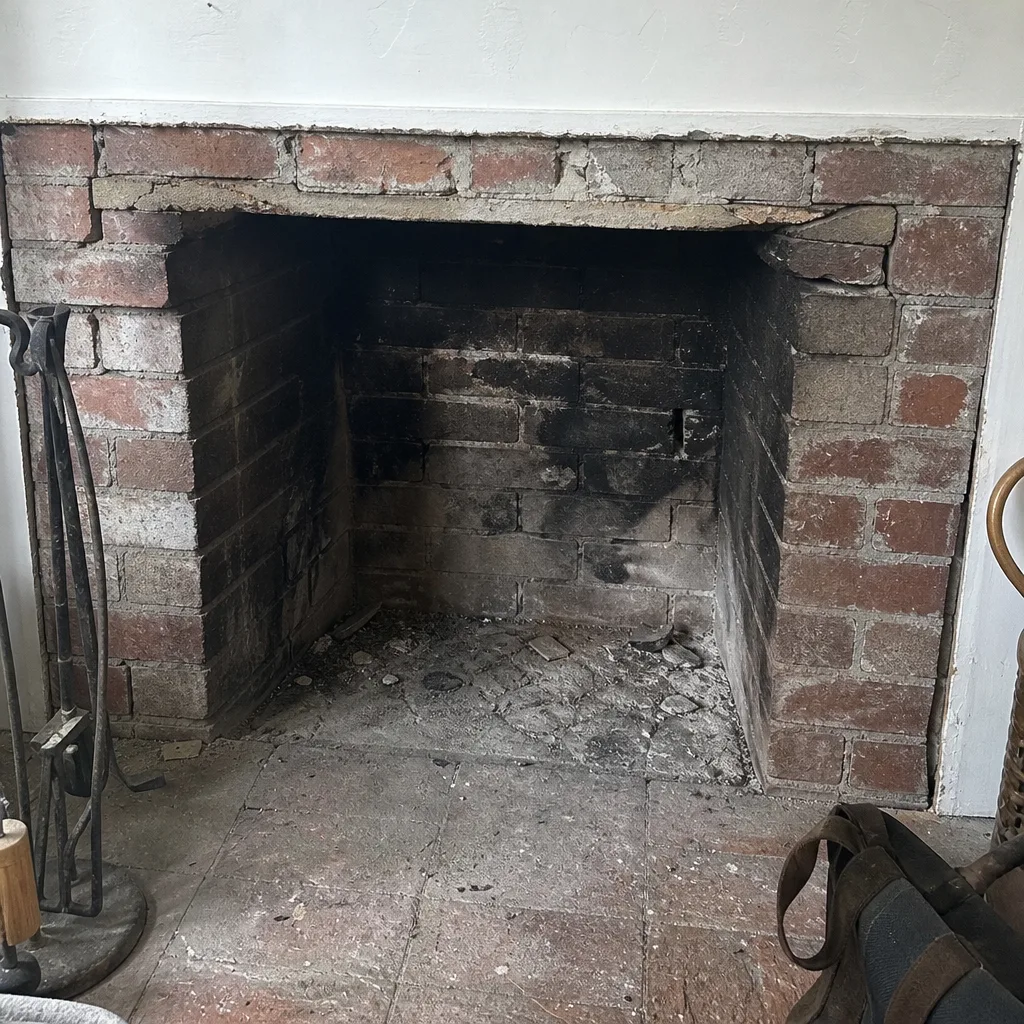
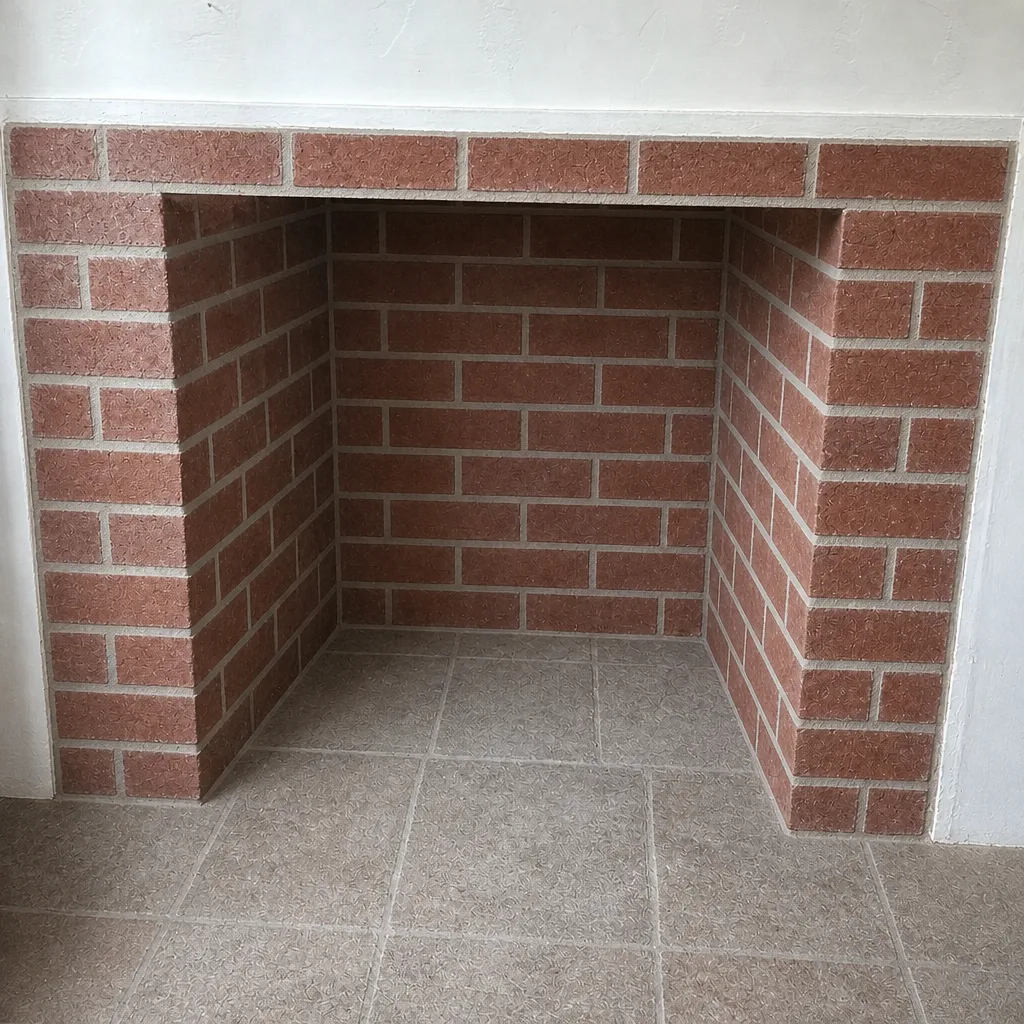
See the difference
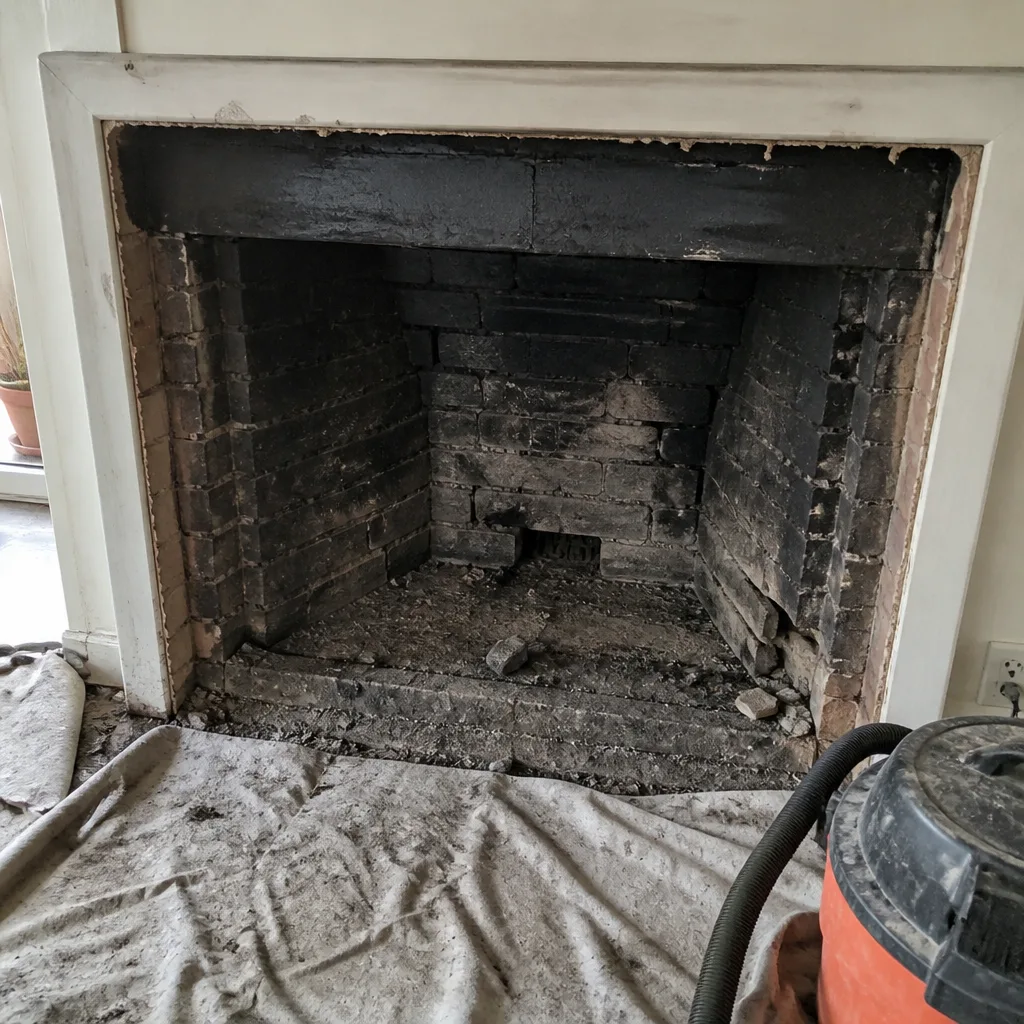 Before
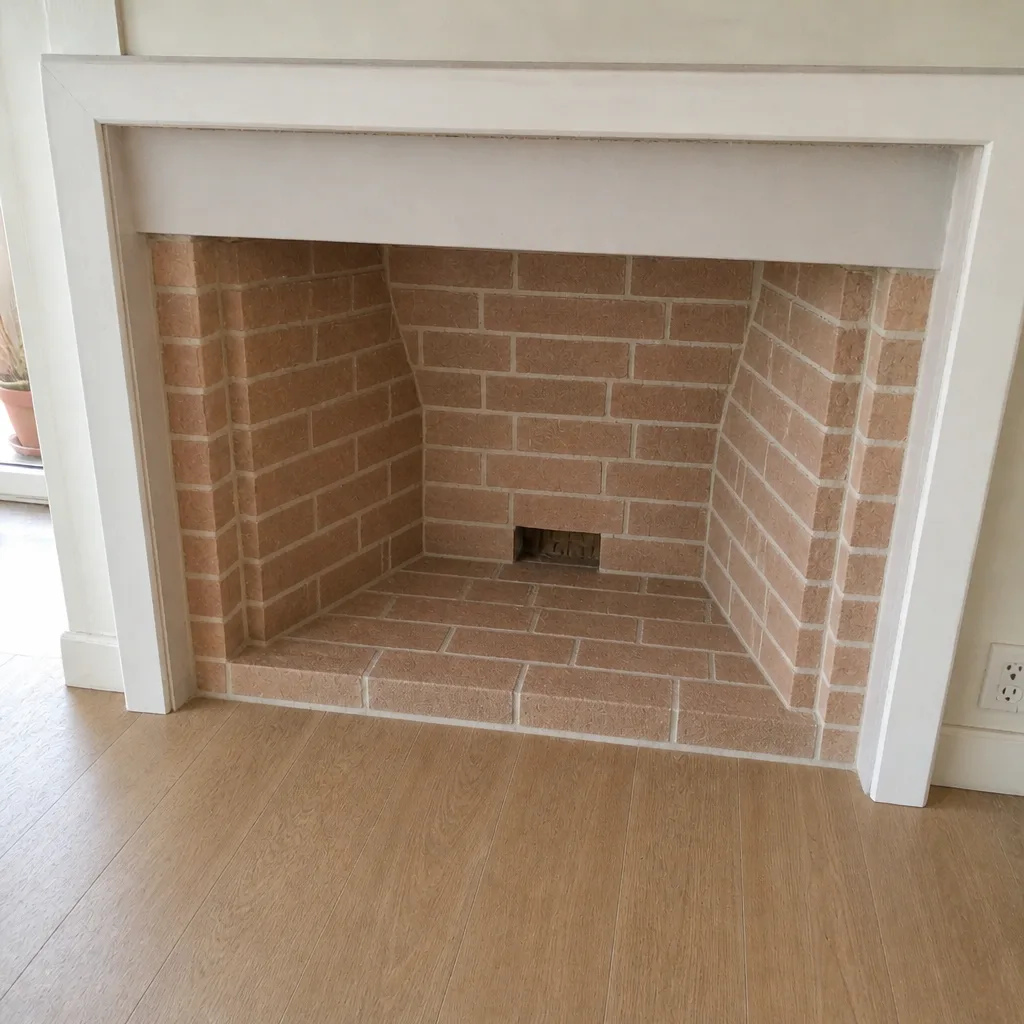 After
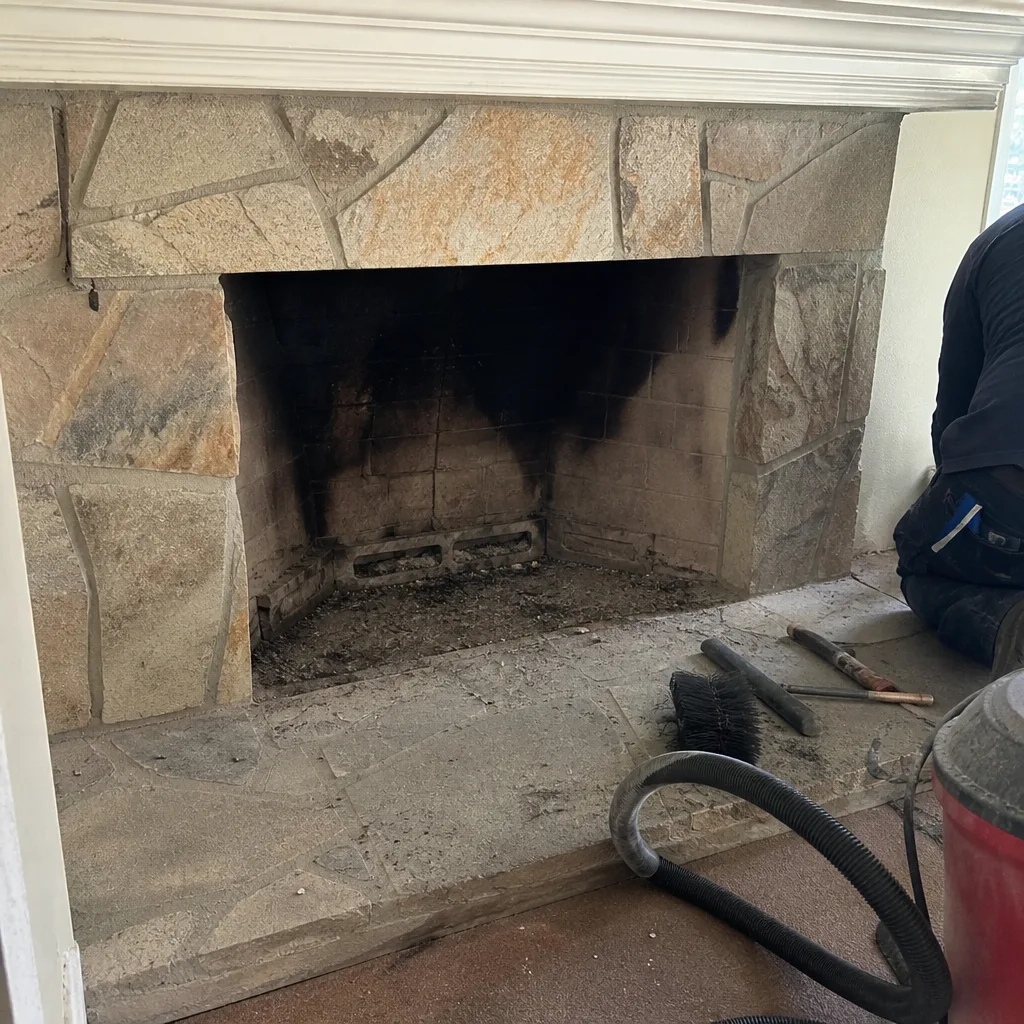 Before
 After
 Before
 After
When to Call a Professional
Call a professional if you see efflorescence, spalling brick or receding mortar joints; if any smell enters the house after rain or when the fireplace is off; if smoke spills into the room; if the inside of the flue has never been checked by camera; if a gas log insert has sooted, yellow flame or a gas odor; or if an insurance adjuster or another inspector has told you repairs are needed and you want an independent look with a camera report. Also call if it’s been more than a year since the last sweep, even if the fireplace has been used lightly. Chimney Sweep Dana Point offers free estimates in Dana Point. Call (844) 625-7380. We answer 24/7. Fast dispatch from 7am to 7pm, Sunday through Friday, closed Saturday.
Frequently Asked Questions
If the last sweep was more than a year ago, or you can see soot at the firebox mouth, a cracked or white-stained exterior, or you notice smoke smell indoors, it’s time. Light annual use doesn’t reset the clock. Call (844) 625-7380 for an exact quote – estimates are free.
It’s efflorescence: water passing through the masonry and carrying minerals to the surface. It’s the earliest reliable sign of water intrusion. Left alone, it advances to mortar joint recession and spalling brick. Call (844) 625-7380 to have the cap and crown checked, which is where most of that water starts.
Yes. A fireplace can draw well with a cracked flue tile or an open joint between liner sections. Draw depends on flue height and heat, not on whether the flue wall is intact. That’s the reason for a camera inspection rather than a visual check from the hearth. Call (844) 625-7380 for an exact quote – estimates are free.
Yes. Gas inserts still have a flue that collects debris and moisture, and a sooting log, a yellow flame or a gas smell are signs to have the system looked at. An annual inspection catches a venting problem before it becomes a carbon monoxide question. Call (844) 625-7380 for an exact quote – estimates are free.
Annually is the standard schedule. Dana Point’s mild winters mean fireplaces get light use, and that light use lets problems hide. Annual cleaning also gives you a yearly record of the liner, crown and cap. Call (844) 625-7380 for an exact quote – estimates are free.
Creosote keeps building, and water keeps working through the masonry. In a coastal climate, the exterior can decline for years before a single crack shows indoors. The best case is a more expensive repair later. The worse case is a chimney fire or carbon monoxide entering the house. Call (844) 625-7380 for an exact quote – estimates are free.
The Bottom Line
In Dana Point, the chimney warning signs that matter most are the quiet ones: a white bloom on the brick, a joint wearing back, a smell after rain, and a flue that has never been seen by camera. We cover what each of those signs means, why a functional fireplace can still have a failing liner, and what a Level 1 inspection does and doesn’t catch. The practical rule: one inspection and sweep a year, a camera report you can verify, and a written estimate before any repair. Call (844) 625-7380 or reach us through our Chimney Sweep Dana Point services – estimates are free.
For the routine chimney sweep next on your list, our team handles the full cycle, from inspection through fireplace repair and chimney repair. Cap and crown work, liner replacement in DuraFlex systems, and HeatShield resurfacing sit inside the same scope as the cleaning. No second contractor, no relay. Our technicians have up to 11 years of experience, and the team carries a curated roster of professional-trade brands, including Gelco, Olympia Chimney, Famco and Copperfield, for the parts that outlast hardware-store alternatives. If you’re not sure which finding on your report is urgent and which is not, call and we’ll walk you through it. Call (844) 625-7380. We answer 24/7. Fast dispatch from 7am to 7pm, Sunday through Friday, closed Saturday.
Written by the team at Chimney Sweep Dana Point.