
Last updated November 25, 2026
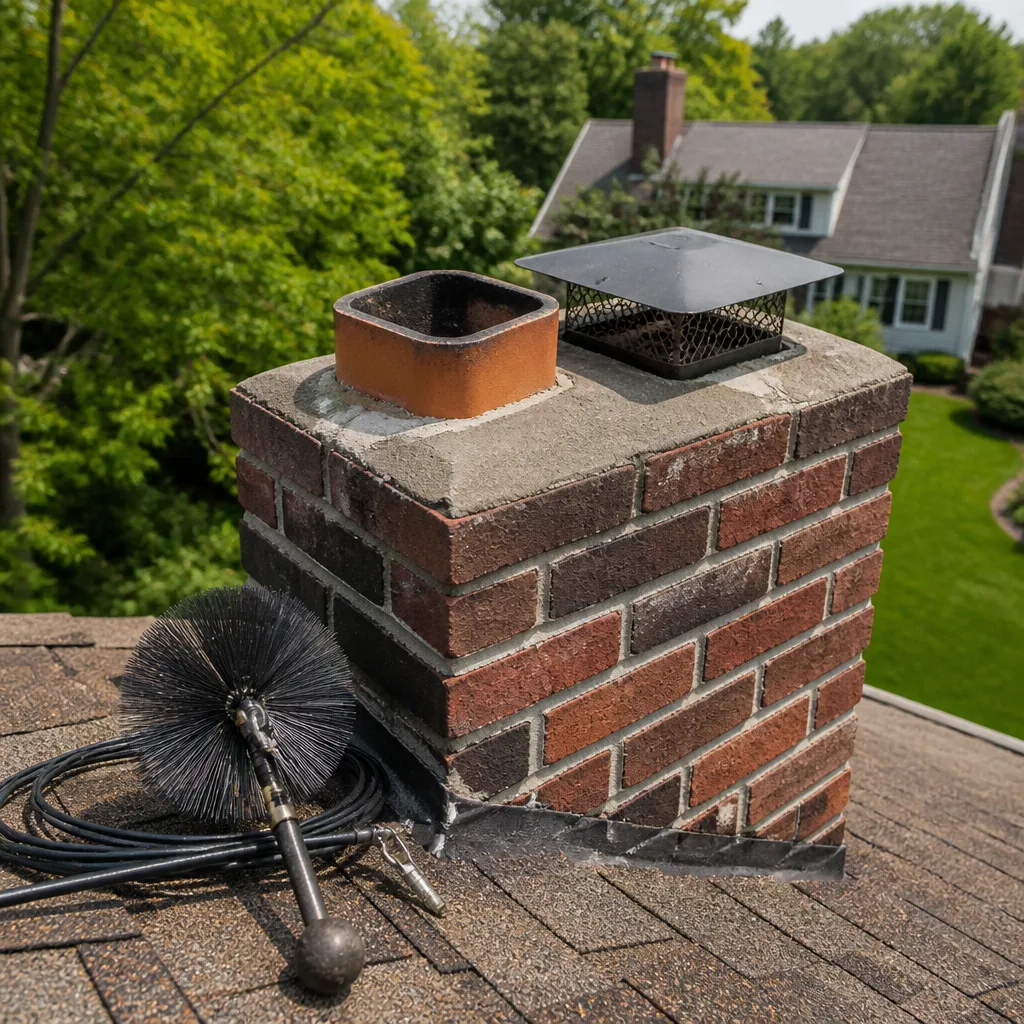 Sweep & inspection
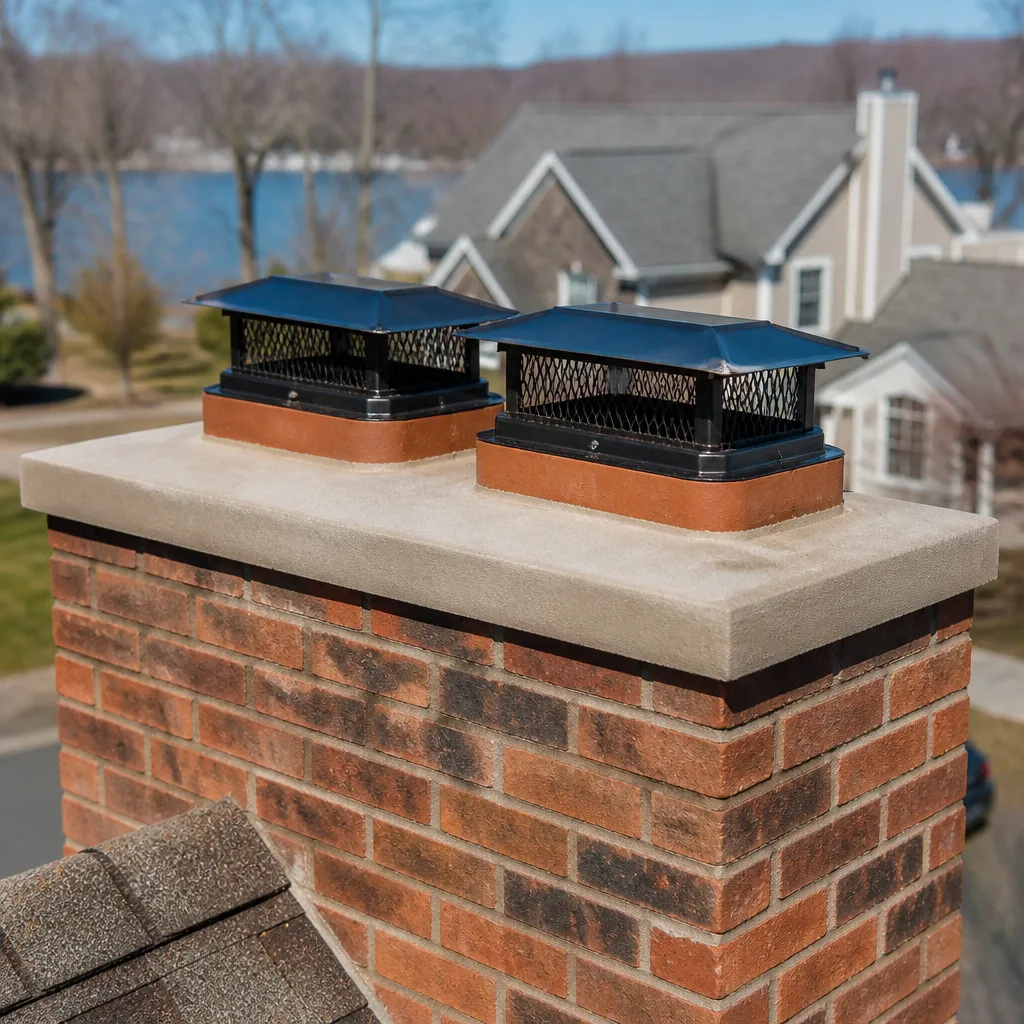 Caps & crowns
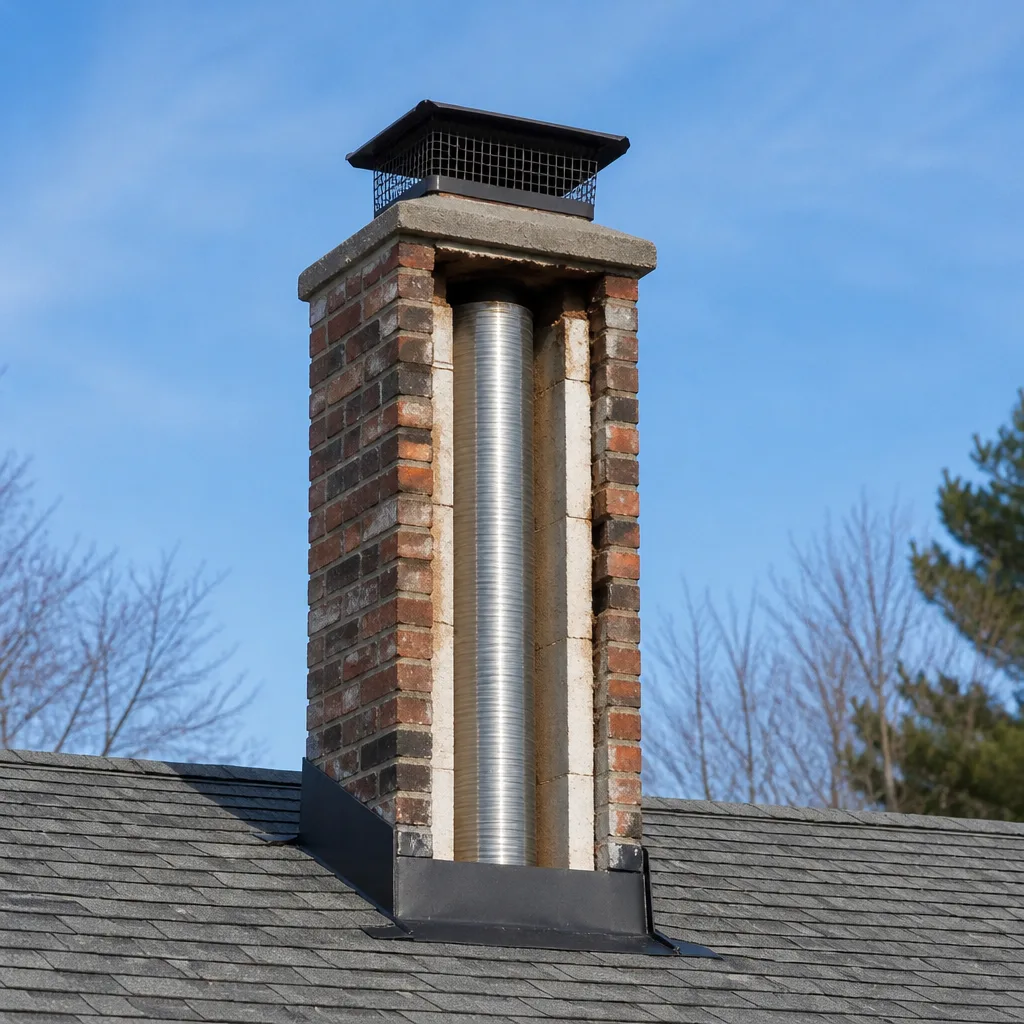 Flue relining
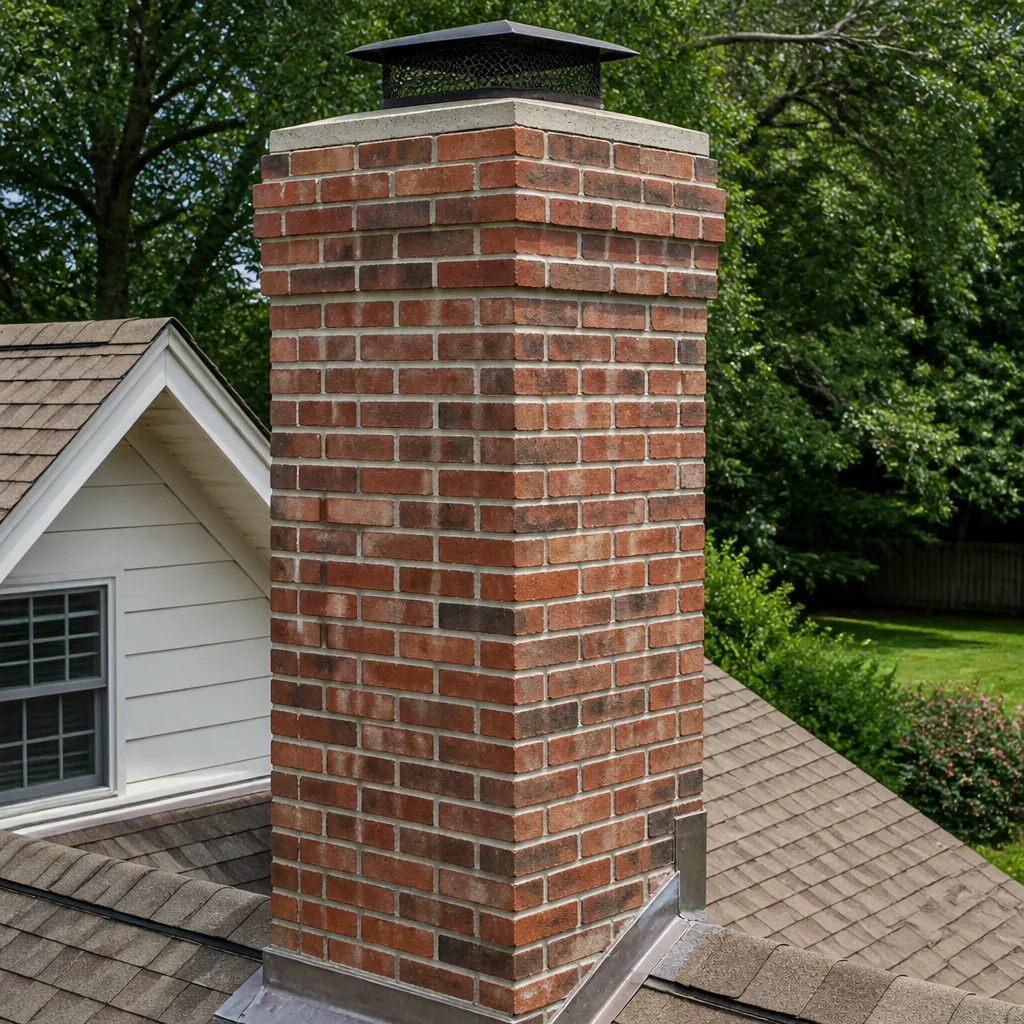 Masonry repair
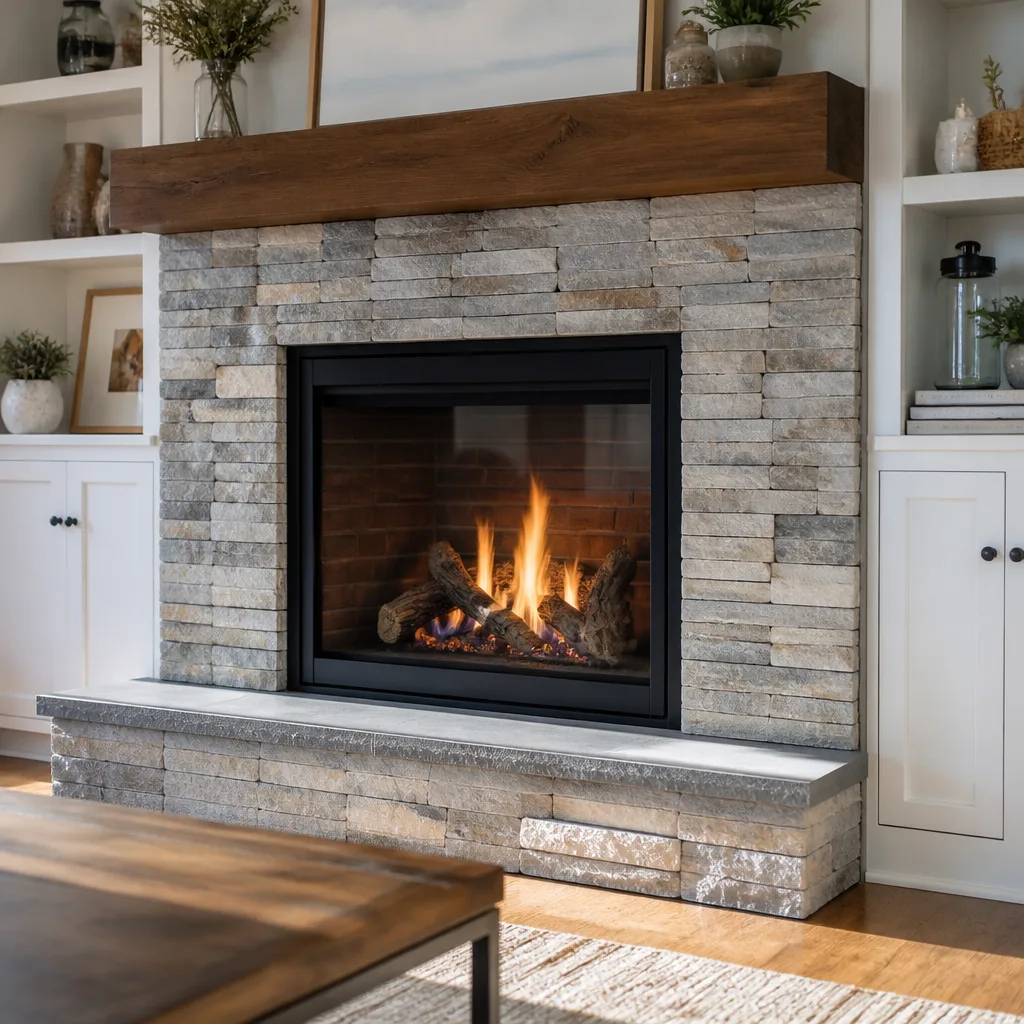 Gas fireplace service
Level 1 sweep and inspection to the NFPA 211 annual standard - flue, crown, cap, and flashing checked and photographed
Chimney sweep logs do not sweep chimneys. They loosen some creosote - which then falls where a brush and vacuum still have to collect it.
Seasonal Chimney Cleaning Care for Dana Point: Year-Round Homeowner’s Guide
Most chimney care advice is written for a place with four real seasons, where the heating system sleeps from May to October and wakes up in a cold snap. Dana Point doesn’t work that way. Here, the fireplace gets used in short bursts across the cooler months, sits idle through a warm stretch, then suddenly faces a Santa Ana wind event that pushes debris, downdraft smoke, and pressure swings down a flue that hasn’t seen a fire in months. That’s the moment a lot of Dana Point homeowners find out something was wrong all along. In this guide, we’ll walk through what the local seasonal pattern actually looks like, why spring is a better cleaning window than fall here, how the marine layer quietly ages exterior masonry and metal parts, and what to do with a gas insert before the first fire of the year.
Quick Answer
Chimney care in Dana Point follows the local climate, not the calendar most guides push. The right rhythm is a professional inspection and sweep in spring after the last fires of the cool season, a mid-summer check of the cap and crown before the marine layer has had months to work on them, and a pre-season look at the damper, flue, and gas components before the first fire in fall. Santa Ana wind events are the wildcard that exposes weak caps, stuck dampers, and cracked liners all at once.
Styles & brands we work with
- Sweep & inspection
- Caps & crowns
- Flue relining
- Masonry repair
- Gas fireplace service
Table of Contents
- Why Dana Point Chimney Care Doesn’t Follow the Standard Seasonal Calendar
- How Santa Ana Winds Stress Your Chimney
- What the Marine Layer Does to Masonry and Metal Over Summer
- Why Spring Is the Right Cleaning Window Here
- What to Do Before the First Fire After Months of Non-Use
- Gas Fireplace and Insert Seasonal Care
- A Year-Round Chimney Schedule for Dana Point Homeowners
- Caps and Crowns: The Parts That Age Fastest
Why Dana Point Chimney Care Doesn’t Follow the Standard Seasonal Calendar
The default advice you’ll find online says to sweep your chimney every fall before heating season starts. That advice assumes a long, steady heating season where the fireplace runs most nights for months on end and creosote builds up fast. Dana Point’s use pattern looks nothing like that. A lot of homes here fire the fireplace in short bursts during the cooler weeks, skip it for long stretches, then come back to it. Creosote still accumulates, but slowly, and the bigger risk isn’t just buildup in the flue. It’s the parts around the flue that sit unused and unattended through a long, humid, dusty summer.
That difference matters for how you schedule care. When a chimney sits idle for months in a mild climate, the flue and firebox aren’t the only components that drift out of shape. The damper can stiffen or seize. The cap can loosen. The crown can develop hairline cracks that let moisture track into the masonry. And the metal components on the exterior – caps, spark arrestors, chase covers on prefab systems – see a long stretch of humid air and blowing dust without ever being looked at, because nobody’s using the fireplace.
We’ve seen this pattern shift how homeowners in Dana Point think about their chimney. Instead of treating a sweep as a fall ritual, the smarter approach is to treat it as a spring closeout on the season you just finished, followed by a mid-year look at the parts most likely to weather. The Chimney Sweep Dana Point page has the full service scope, but the seasonal logic below is what drives when each piece of work actually makes sense.
The use pattern most Dana Point homes follow
- Cooler weeks in late fall through early spring: fireplace used in short bursts
- Late spring and summer: fireplace mostly idle, exterior components exposed to the marine layer
- Early fall: first fires after a long idle stretch, when problems surface
- Santa Ana wind events (any time of year): cap, damper, and draft problems become obvious
The key insight is that the busiest period for chimney problems in Dana Point isn’t the middle of winter. It’s the transition points – the first fire after summer, and the first big offshore wind event after months without one.
How Santa Ana Winds Stress Your Chimney
Santa Ana conditions don’t just bring warm, dry air. They bring pressure changes, strong downdrafts, and a wall of airborne debris that hits the top of your chimney directly. When a chimney sits unused for months and then the first Santa Ana event arrives, that’s often when a homeowner discovers something is wrong: smoke that won’t draw, a cap that’s rattling or missing, a firebox that smells like it’s pushing air back into the room.
A lot of that isn’t creosote. It’s mechanical. Santa Ana winds stress three components in particular, and each one fails in its own way.
- Chimney cap. A cap that was fine in calm weather can shift, loosen, or lift under sustained high wind. Once a cap is off or partially displaced, rain, dust, and debris go straight into the flue, and a bird or other animal can move in.
- Damper. A damper that hasn’t been operated in months can seize or fail to seal. Under a pressure swing, a poorly sealing damper lets smoke and odor into the room instead of up the flue.
- Flue liner. A liner with minor hairline damage can perform acceptably in still air and then reveal its weak points under the turbulence of an offshore wind event. Downdrafts find the gaps.
The pattern we’ve seen in Dana Point is that Santa Ana season is when the phone starts ringing about smoke and draft problems, not the middle of winter. The fix is usually straightforward once we get a camera up there and see what’s actually happening. But the important point is that most of these problems were already there before the wind – the wind just made them visible.
What a Santa Ana event exposes
If you notice downdraft smoke, a rattling cap, or a smell of creosote or soot pushed into the room when the wind picks up, treat that as a signal to get the system inspected rather than a reason to wait. Wind-driven problems don’t fix themselves once the wind dies down. They go quiet until the next event. That’s why a seasonal check of the cap and damper before the fall, and a professional chimney sweep to clear the flue and confirm the liner is sound, is more useful in this climate than a rushed call in the middle of a wind event.
What the Marine Layer Does to Masonry and Metal Over Summer
Summer in Dana Point is comfortable, and that’s exactly the problem for your chimney. The marine layer keeps the air humid through the warm months, and the exterior of the chimney – brick, stucco, mortar joints, metal caps, and prefab chase covers – sits in that humid air for weeks at a time without ever being looked at. That’s an entirely different kind of wear than the freeze-thaw damage northern guides spend so much time on.
What we look for after a summer in Dana Point is moisture damage showing up as efflorescence (the white salt deposits on brick), softened mortar joints, and rust on metal caps and spark arrestors. Mortar is porous. It takes on moisture from humid air and from any rain that gets past the crown or cap, and that moisture works its way into the brick over time. When winter rains arrive, that already-saturated masonry is far more vulnerable to cracking and spalling than it would be in a drier climate.
The summer-to-fall checklist for the exterior
- Crown: look for hairline cracks, gaps where the crown meets the flue, and any crumbling at the edges. A cracked crown is the most common route for water to get into the chimney structure.
- Cap: check that it’s secure, the screen or mesh is intact, and there’s no rust or sagging. A cap that’s been through a summer of humid air and dust can fail quietly.
- Mortar joints: look for white streaking (efflorescence) or joints that have started to recede or soften.
- Metal components: spark arrestors, chase covers on prefab systems, and the metal parts of any cap should be checked for rust.
Cap and crown issues are the most common cause of water intrusion we see, and they’re the most common thing generic cleaning services miss because a sweep-and-go visit doesn’t include the roof-level look. If your crown or cap shows any of what’s above, chimney repair at the crown and cap level is the first thing to address, both because it’s the source of the moisture and because it’s the cheapest thing to fix before it turns into masonry work. Trade-grade caps and crown materials from brands like Gelco and Olympia Chimney are built to hold up to this climate far better than hardware-store hardware.
Why Spring Is the Right Cleaning Window Here
The single biggest seasonal shift we recommend to Dana Point homeowners is to move the annual sweep from fall to spring. In a colder climate, fall works because the fireplace runs hard all winter and you want a clean flue before the heavy season. In Dana Point, the heavy season never really arrives, so a fall sweep means the flue sits clean and idle through the humid summer, then gets its first real test in the fall. A spring sweep cleans the flue after the season you actually finished, and leaves you a clear window of months to address anything the inspection turns up before the next heating season.
There’s a second reason spring is better here: the calendar. Fall is when everyone in a cooler-climate mindset decides to book a chimney sweep, which makes it the busiest time of year for scheduling. Spring is quieter, which means you get more attention on the inspection and more room to plan any repair work without rushing it. That’s a real advantage in a market where most of the actual work that comes out of an inspection – cap replacement, crown repair, liner work – is best done in calm, dry weather rather than squeezed in before the first cold snap.
How a spring sweep actually runs
- Book the sweep for spring, after the last fires of the cool season. This is the point where the flue has just finished its real use period, so you’re cleaning out what was actually deposited, not what might be deposited later.
- Inspection first, sweep second. We use a camera to look at the flue, firebox, damper, and the top of the system before and after cleaning. You get a photo report of what we find.
- Sweep the flue and firebox. The sweep clears soot and creosote so the system is genuinely clean going into the idle season.
- Assess the cap and crown while the system is fresh in mind. If either needs work, spring gives you months to schedule it in good weather.
- Note anything to watch in the fall. We tell you plainly what can safely wait and what needs to be scheduled now.
The point of the photo report isn’t paperwork. It’s that you can see what we see. Nothing gets recommended without camera evidence you can look at yourself. And if there’s nothing that needs doing, we’ll say so.
What to Do Before the First Fire After Months of Non-Use
The first fire of the season in Dana Point is the moment problems surface. A flue that’s been idle since spring has had months of humid air and dust, a damper that hasn’t moved, and quite possibly a bird or debris in the flue. Before the first fire, we recommend a short, deliberate checklist that closes the loop on what the summer left behind.
- Look up the flue. With a flashlight, check for visible blockage, animal nests, or a cap that’s come loose. If you can’t see clearly, don’t light a fire.
- Operate the damper. Open and close it fully a couple of times. If it’s stiff or won’t seal, that’s a repair issue, not a “fight with it” issue.
- Check the cap from outside. Look for a missing or loose cap, and confirm the screen is intact. This is the number one thing that lets debris and animals into the flue.
- Smell the firebox. A strong creosote or soot smell after months of idle time is a sign the flue needs a sweep before you burn, not just a cleaning after.
- Confirm the chimney has been swept and inspected since the last real use season. If it hasn’t, book the sweep before the first fire, not after.
That last point is the most important one. The first fire of the year shouldn’t be the test of whether the system is ready. It should be the reward for confirming that it is. If you’re not sure when the system was last looked at, a professional inspection is the honest answer, and it’s the point where a real chimney repair conversation can begin if something needs fixing before the season.
The pressure-change test
Before the first fire, you can also check draft on a calm day. Open the damper, light a single sheet of newspaper near the damper (not in the firebox), and watch whether the smoke goes up the flue or backs into the room. If it backs up, stop. That’s a sign of a blockage or a draft problem that needs a professional look. Do this with the windows closed, since a strong cross-draft will mask a real problem.
Gas Fireplace and Insert Seasonal Care
Gas fireplaces and inserts are common in Dana Point, and seasonal guides almost always ignore them because the guides are written for wood-burning homes. But a gas insert has its own seasonal care pattern, and skipping it is how small issues turn into no-heat evenings in the middle of a cold snap.
The components that matter most for a gas system aren’t the flue and firebox, they’re the burner, the pilot assembly, the logs or media, and the venting. Over a long idle period, dust settles on the burner and the logs, the pilot assembly accumulates dust and can struggle to light cleanly, and the glass front can cloud. On direct-vent gas inserts, the vent termination on the exterior can also collect debris or a bird nest, which affects draft and can push exhaust where it shouldn’t go.
What a seasonal gas check covers
- Burner and pilot: clean and confirm a clean, even flame with no yellowing or lifting that suggests a combustion issue.
- Logs and media: dust and reposition, since displaced logs can affect flame pattern and, on some units, create hot spots.
- Glass and seals: clean the glass and check the gaskets, since a worn seal can let exhaust products into the room.
- Vent termination: check the exterior vent for blockage, debris, or a bird nest.
- Carbon monoxide check: a working CO alarm near the fireplace is non-negotiable, and a professional check of the venting is the right way to confirm the system is exhausting correctly before the season starts.
Any work that opens the gas side of the system – burner adjustment, pilot work, venting checks – should be done by a trained professional. Gas line and combustion work isn’t a homeowner task, and a CO alarm is a backup, not a substitute for a proper inspection. In our experience, a gas insert that’s been checked in the fall runs cleanly all season, and the ones that get skipped are the ones that turn into a cold-evening call.
A Year-Round Chimney Schedule for Dana Point Homeowners
Here’s the full seasonal schedule we recommend for a Dana Point home with a regularly used fireplace. The dates are broad on purpose – the point is the sequence, not a specific day. What matters is that each task happens in the season where it actually makes sense for this climate.
- Spring (after the last fires of the season): Professional sweep and full inspection, with camera and photo report. This is the anchor of the year. It clears out what the season deposited and gives you a clean system going into the idle season, plus a clear list of any cap or crown work to schedule.
- Late spring or early summer: Schedule any cap, crown, or liner work the spring inspection identified. Dry, calm weather is the right time for roof-level work, and a finished cap and crown go into the humid summer months in good shape.
- Mid-summer: Quick homeowner look at the cap and crown from the ground (or a professional check if you can’t safely see them). Confirm the cap is secure and the crown has no new cracks before the humid stretch has done its work.
- Early fall (before the first fire): Damper check, flue visual, and a gas-system check if you have an insert. This is the pre-season confirmation, not a sweep, unless the flue hasn’t been swept since last season.
- Any time a Santa Ana event exposes a problem: Smoke backing up, a rattling cap, or a smell of soot means an inspection, not a wait.
How the schedule maps to services
The spring anchor is where the full sweep and inspection happen. The summer cap-and-crown work is where a cap and crown installation or repair makes the most sense. The fall check is where fireplace repair on the damper or gas components fits best, and the Santa Ana call is where fireplace repair and a full inspection overlap. The chimney repair conversation, if it comes up, almost always comes out of the spring inspection, when we can show you the evidence and you have time to plan the work.
Our technicians have up to 11 years of experience, and the seasonal logic above is drawn from the pattern we see across Dana Point homes. If your schedule has drifted – if you don’t know when the last sweep was – the safe answer is to book a spring-equivalent visit now rather than wait for the next fall.
Caps and Crowns: The Parts That Age Fastest
Of everything on your chimney, the cap and crown age fastest in this climate, and they’re the two components most worth understanding on their own terms. Most seasonal guides treat a chimney cap as a nice-to-have accessory. In a place where the marine layer sits on the exterior for months, it’s a piece of primary protection.
The cap covers the flue opening. It keeps out rain, animals, and wind-blown debris, and a good spark arrestor keeps embers off the roof. Without a sound cap, everything below it is exposed, and once debris or an animal gets into the flue the whole system is compromised. The crown is the flat, sloped surface at the very top of the masonry chimney, and its job is to shed water away from the mortar and brick below. A cracked or crumbling crown lets water track into the structure, which is where masonry damage starts.
What separates a trade-grade cap and crown from a quick fix
- Material. Caps and crowns from trade-grade brands like Gelco, Olympia Chimney, Famco, and Copperfield are built for long exterior exposure, which matters more here than a hardware-store part rated for milder conditions.
- Fit. A cap sized and fitted to your actual flue and crown, not a universal part that only approximately matches, is the difference between a cap that stays put and one that rattles loose in an offshore wind.
- Crown repair vs. replacement. A hairline crack can sometimes be sealed. A crown that’s crumbling or has lost its slope needs more. Neither is a job to guess at; the right call depends on what the crown looks like up close.
- Who does the work. Cap and crown work is roof-level, height work, and it’s done by trained professionals. It’s not a job for a homeowner on a ladder.
One point we often have to make plainly: cap and crown work isn’t cosmetic. It’s the first line against the moisture that ages everything below it, and it’s the cheapest work to do before the moisture has reached the masonry. If your cap is missing or your crown is cracked, that’s the priority before any decorative work. And if it can safely wait until spring, we’ll tell you that too.
Common Mistakes to Avoid
- Sweeping in fall out of habit. In Dana Point’s climate, a fall sweep leaves the flue idle and exposed through the humid summer. Spring is the anchor for this climate, with fall as a pre-season check.
- Treating a chimney cap as optional. Without a cap, rain, debris, and animals get into the flue, and everything below the cap is at risk. A cap is a primary protection component in a humid climate, not an accessory.
- Ignoring the crown until the brick is staining. A cracked crown lets water into the masonry. It’s cheapest to fix early, and the visible signs (efflorescence, softened mortar) show up after the damage has started.
- Reading a Santa Ana downdraft as a one-off. If the wind exposed a draft problem, a stuck damper, or a loose cap, it will happen again. Get it inspected rather than waiting for the next wind event.
- Skipping gas-insert care because it isn’t wood. Gas inserts need their burner, pilot, venting, and CO protection checked too. A dust-clogged pilot or blocked vent termination is a real risk.
- Lighting the first fire without checking the flue. Months of idle time is exactly when a bird, a loose cap, or a stiff damper turns into a first-fire problem. Check before you burn.
- Hiring a sweep-and-go service that never looks at the roof. The most common cause of water intrusion is at the cap and crown. A service that only sweeps the flue misses the part most likely to be failing.
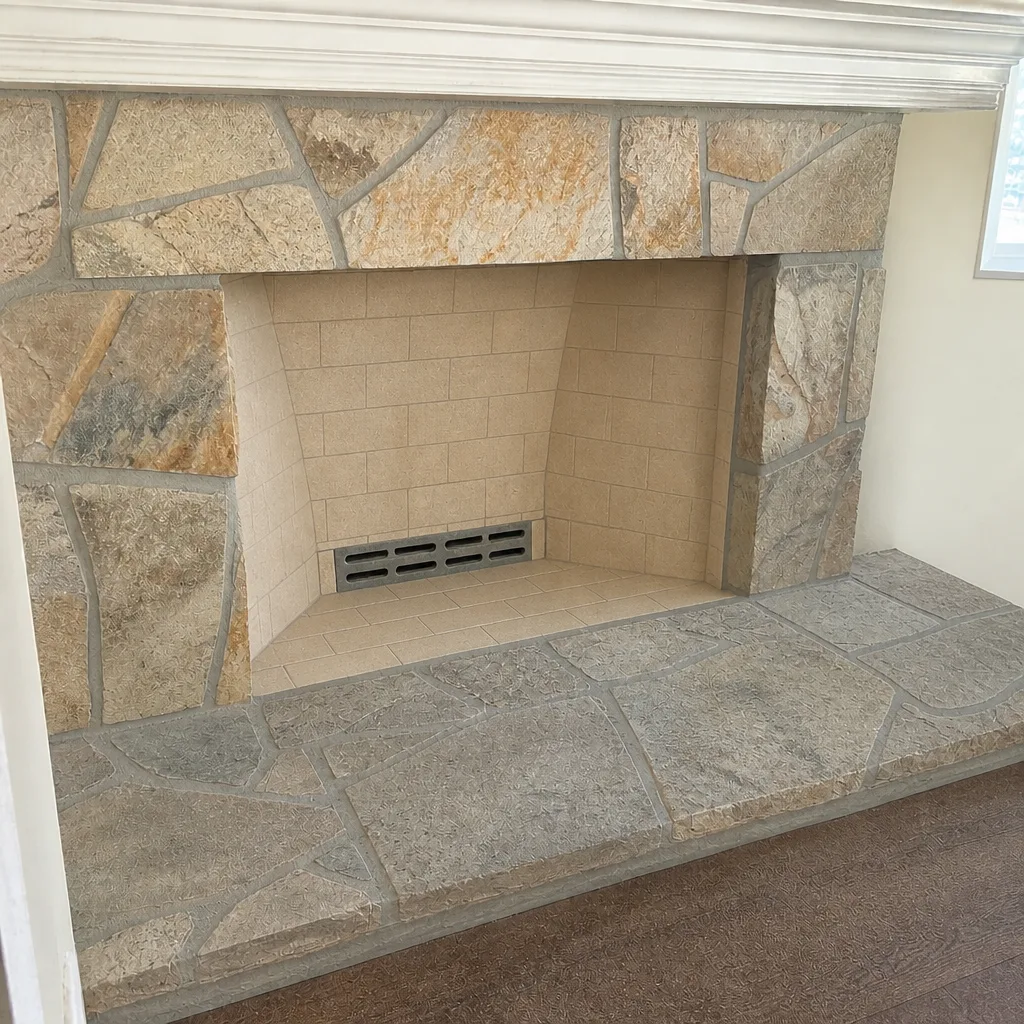
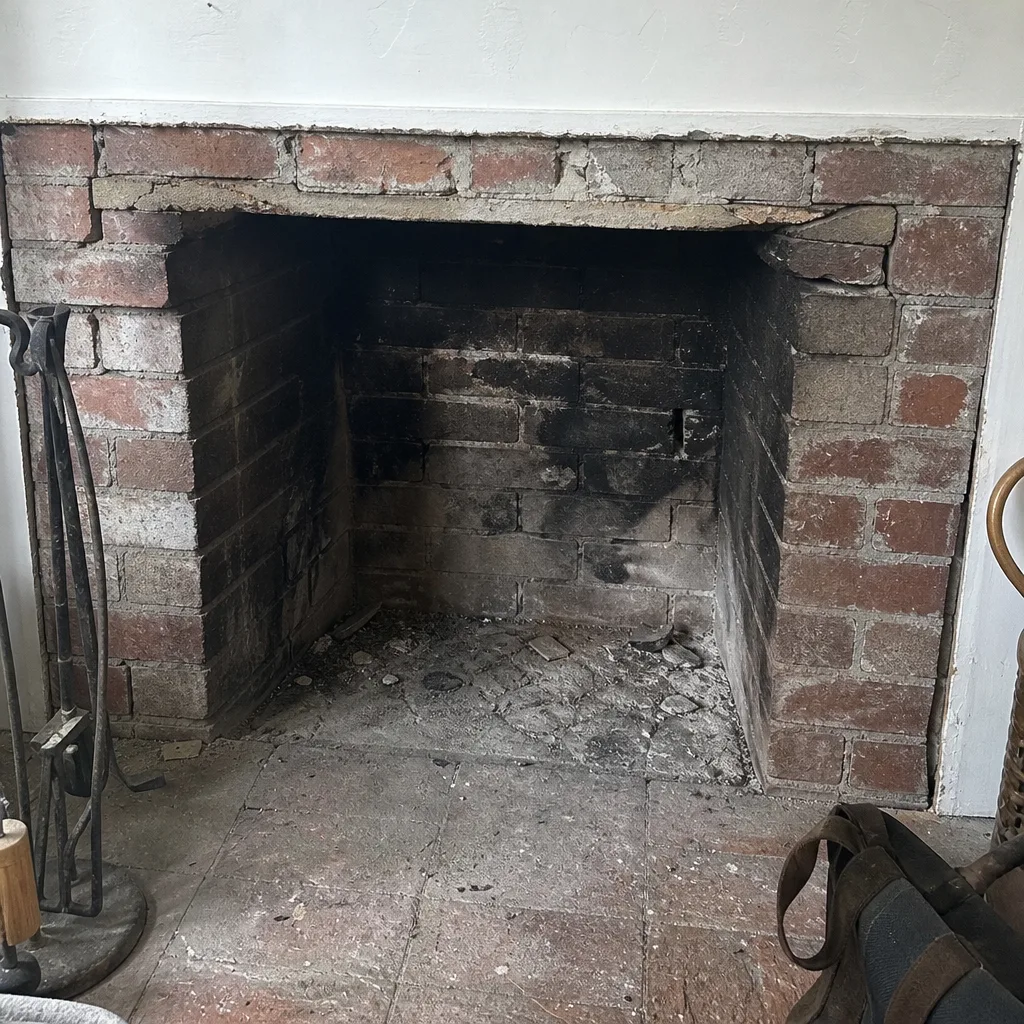
See the difference
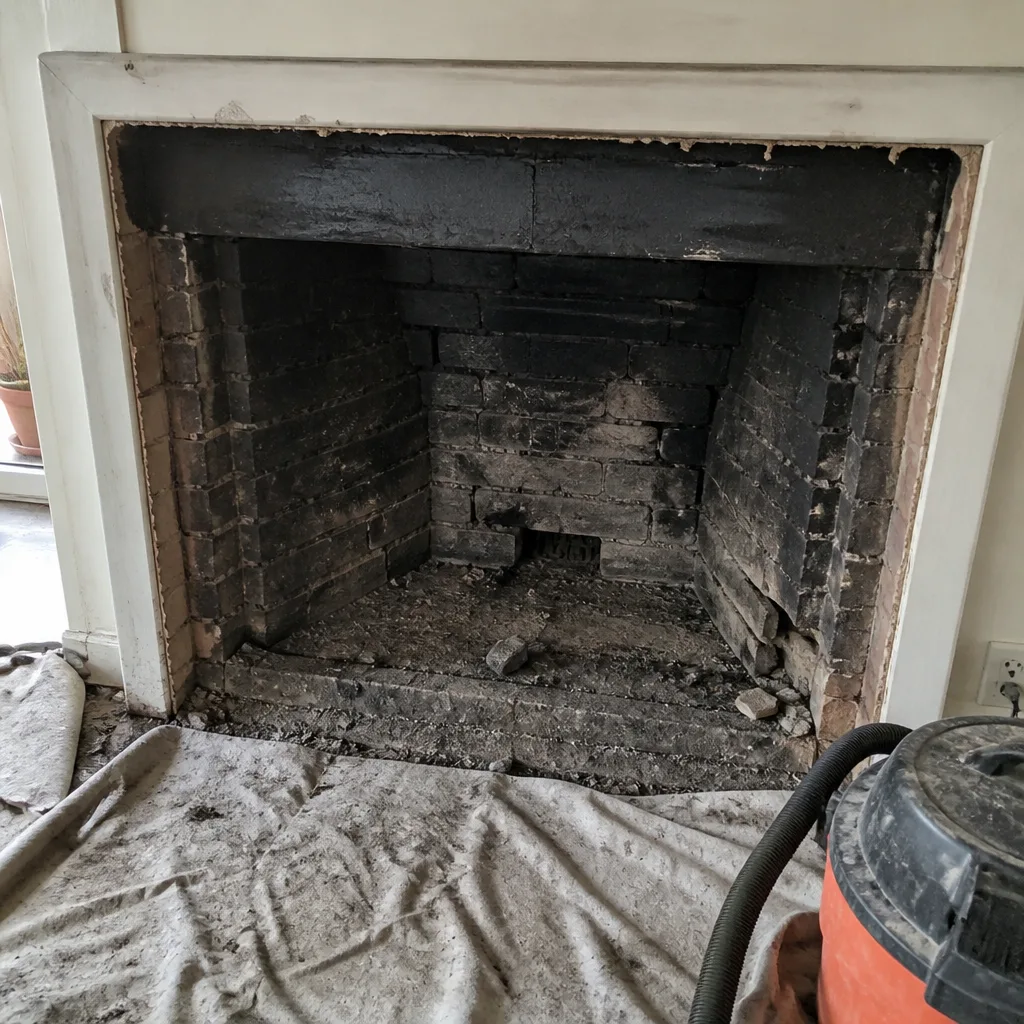 Before
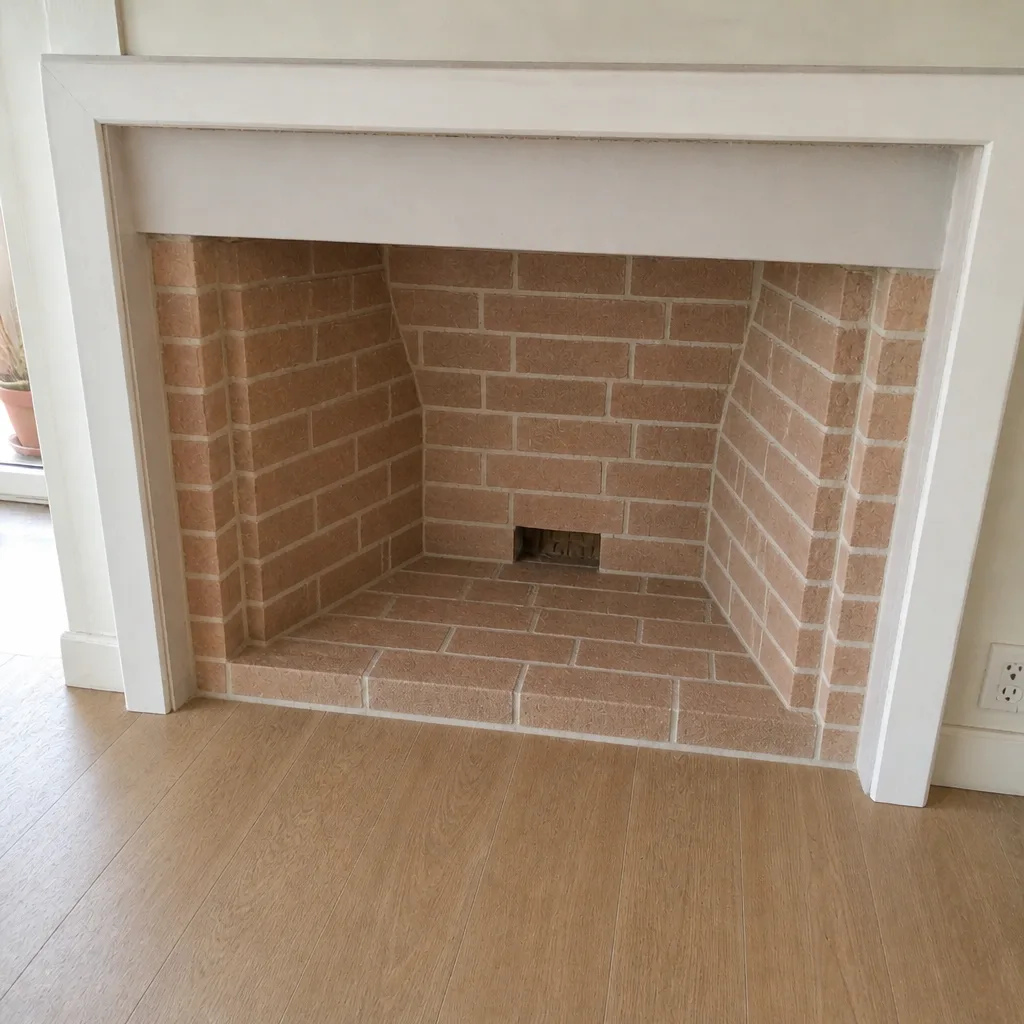 After
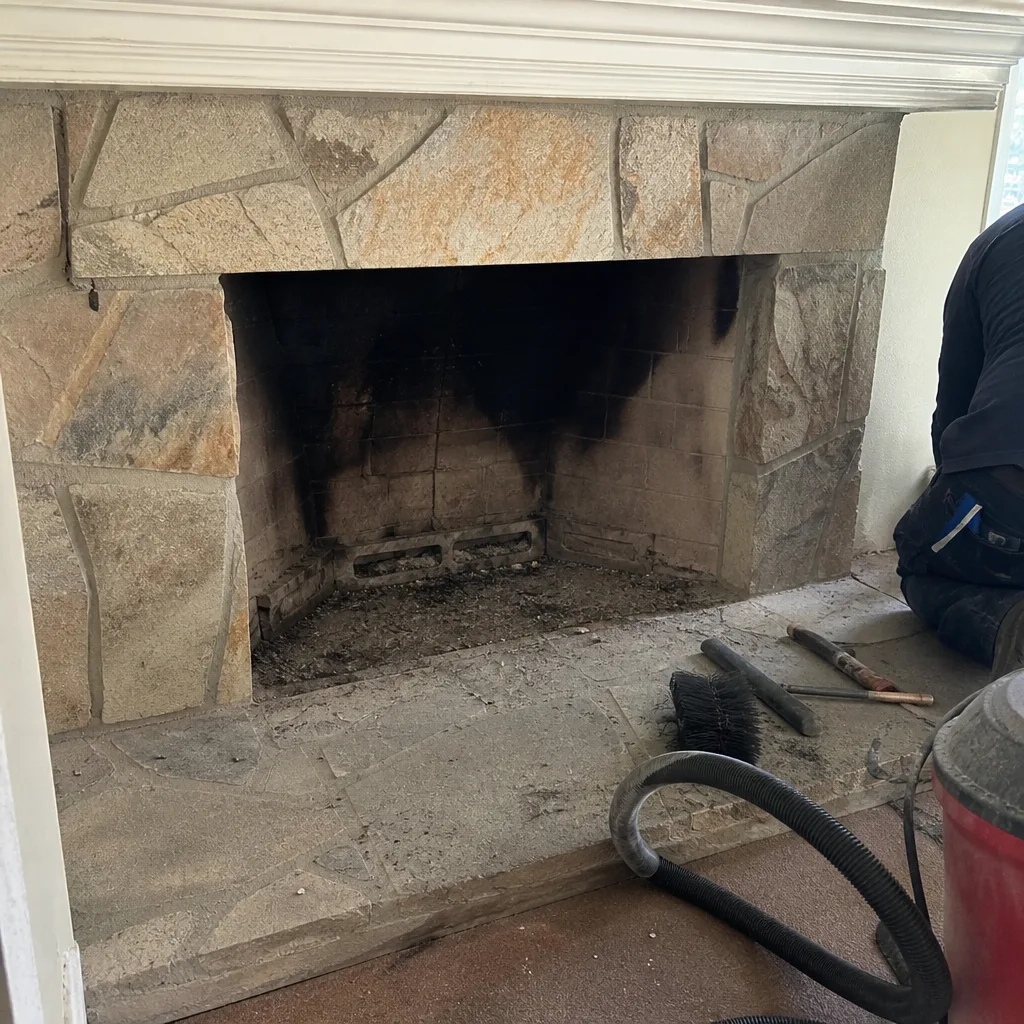 Before
 After
 Before
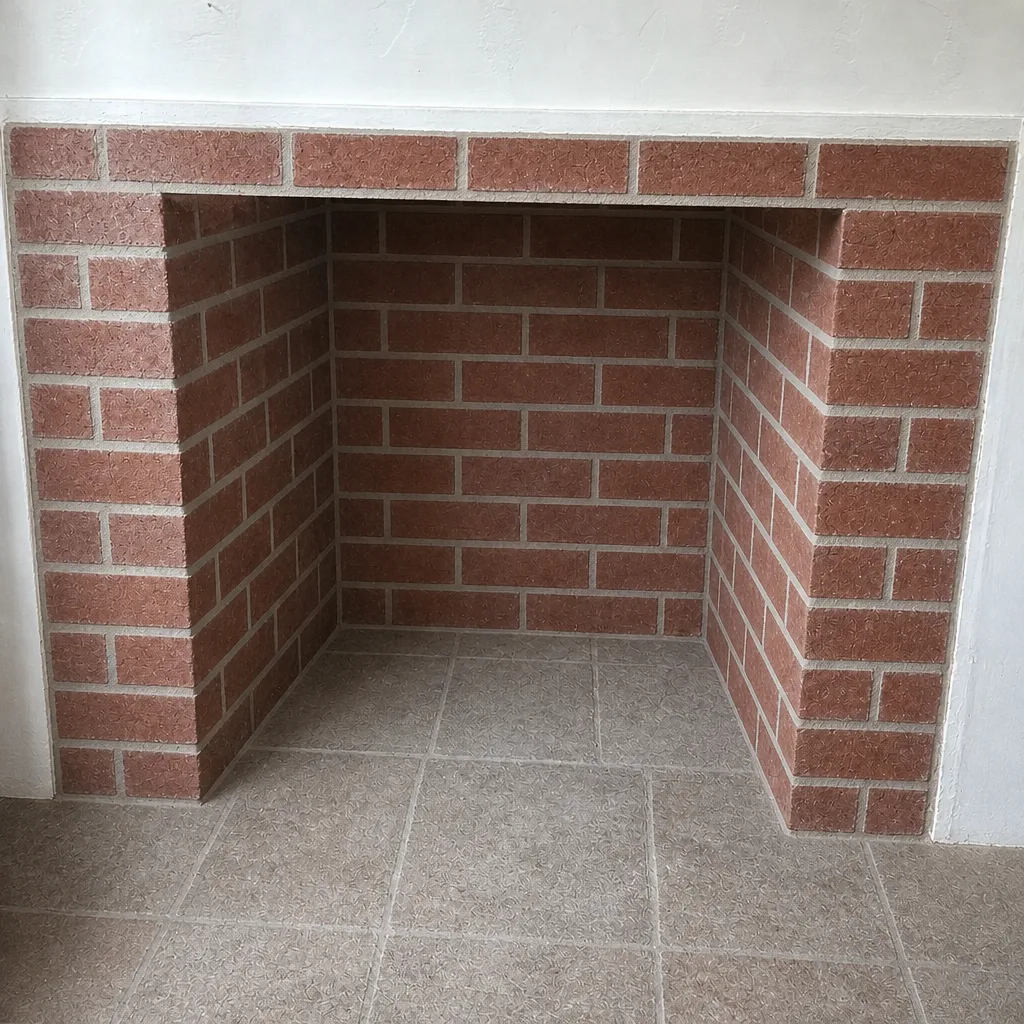 After
When to Call a Professional
Some seasonal care is a homeowner look-around; some is professional work. Call a professional if any of the following is true: you don’t know when the chimney was last inspected or swept; you’ve had a first-fire smoke or draft problem; the cap is missing, loose, or damaged; the crown shows cracks or crumbling; the damper won’t seal; you have a gas insert that hasn’t been checked before the season; or a Santa Ana event exposed a downdraft, a rattling cap, or a smell of soot in the room. Cap and crown work, liner work, and any gas-side work are all professional tasks, and roof-level work isn’t a homeowner job on a ladder. Chimney Sweep Dana Point offers free estimates in Dana Point. Call (844) 625-7380 to schedule, and we’ll tell you plainly what the inspection shows, what needs doing now, and what can safely wait.
Frequently Asked Questions
For a regularly used wood fireplace, we recommend once a year, scheduled in spring after the last fires of the season. The mild climate means creosote builds more slowly than in a cold-winter area, but annual service is still the right rhythm because it’s the inspection, not just the sweep, that catches cap, crown, damper, and liner problems before they become expensive. If your fireplace is a gas insert, a gas system check each season is the equivalent. Call (844) 625-7380 for an exact quote; estimates are free.
Spring is better because it cleans out what the season actually deposited, leaves the flue clean going into the humid idle season, and gives you time to schedule any cap or crown work in calm, dry weather before fall. It’s also a quieter time for scheduling than the fall rush. Call (844) 625-7380 and we’ll find you a spring-appropriate window; estimates are free.
Santa Ana winds can expose and worsen real damage, though most of what they expose was already there before the wind. Loose caps can lift or shift, stiff or poorly sealing dampers can let smoke into the room, and a liner with hairline damage can reveal draft problems under turbulent offshore wind. If an event exposed any of these, get the system inspected rather than waiting for the next wind. Call (844) 625-7380; estimates are free.
Yes. A chimney cap is a primary protection component here, not an accessory. It keeps rain, debris, and animals out of the flue, and a cap that’s been through the humid summer and a Santa Ana event is one of the most common failure points we see. A missing or damaged cap is worth fixing before anything else. Call (844) 625-7380 for a free estimate.
Before the first fire, check the flue for visible blockage, open and close the damper fully, confirm the cap is secure from outside, and look and smell for soot or creosote. If you don’t know when the system was last inspected, get a professional inspection first. It’s a short checklist and it’s the difference between a safe first fire and a test of whether the system was ready. Call (844) 625-7380 for an inspection; estimates are free.
Yes. Gas inserts and gas fireplaces need a seasonal check of the burner, pilot, logs, glass seals, and exterior vent termination. Dust settles over the idle months, pilots can struggle to light cleanly, and a blocked vent termination affects exhaust. A working CO alarm near the fireplace is essential, and a professional check is the right way to confirm the system is exhausting correctly. Call (844) 625-7380 for an estimate.
The Bottom Line
Dana Point’s chimney care follows the local climate, not the standard fall-sweep advice. The anchor is a spring sweep and inspection, timed to close out the season you just finished and clear the system for the humid idle months. Summer care means watching the cap and crown before the marine layer has had weeks to work on them. Fall care is a pre-season check of the damper, gas components, and flue before the first fire. And Santa Ana events are the wildcard that reveals what the idle season was hiding. Professional work – cap and crown, liner, gas, masonry – is best scheduled in calm, dry weather from the spring inspection, not rushed in fall. Call (844) 625-7380. We answer 24/7. Fast dispatch from 7am to 7pm, Sunday through Friday. Estimates are free, and nothing is recommended without camera evidence you can see yourself.
Written by the team at Chimney Sweep Dana Point.